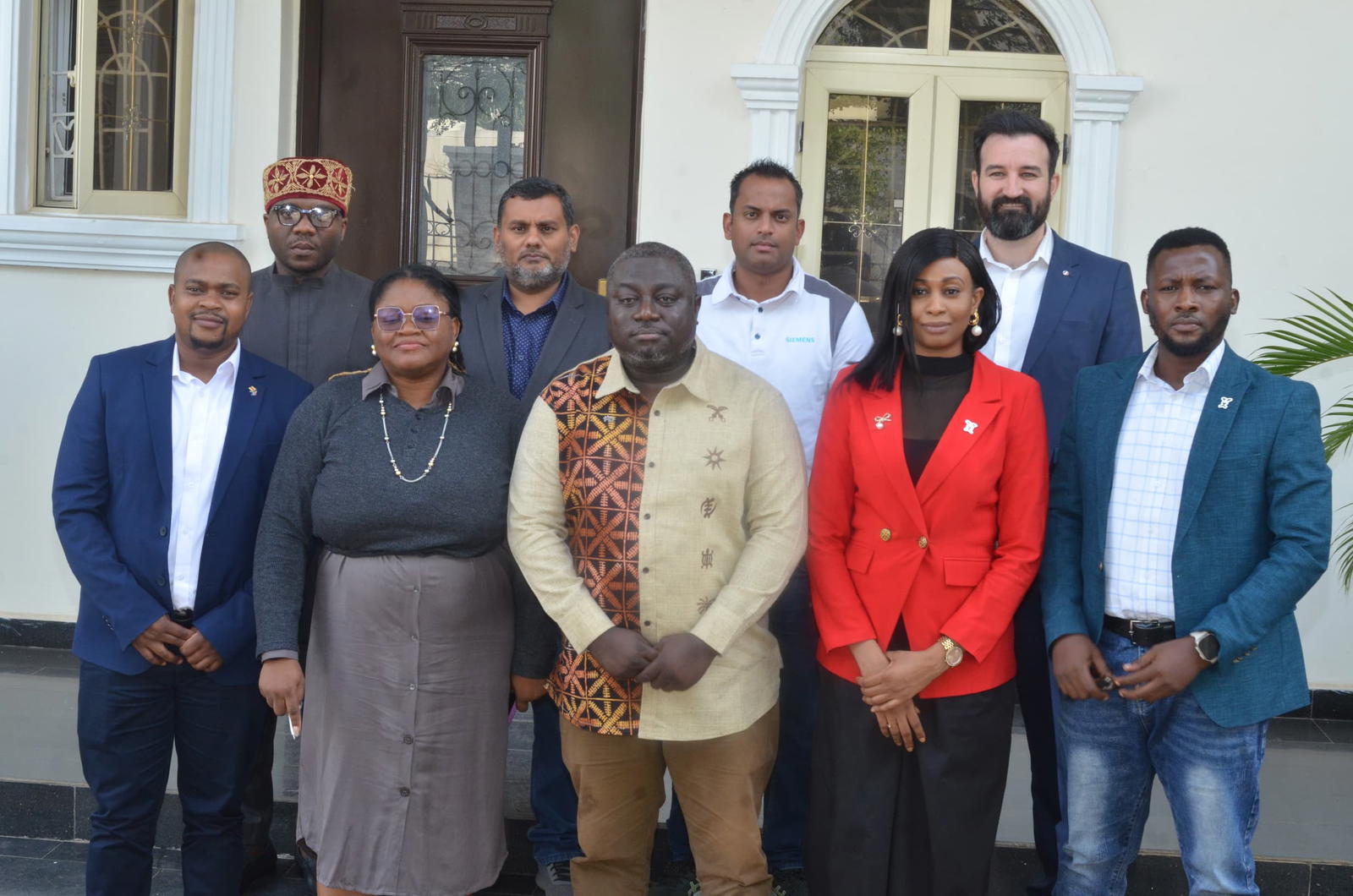
PE Energy Limited (A subsidiary of PANA Holdings) and Siemens AG, have intensified efforts to modernize Nigeria’s electricity infrastructure, combining advanced grid technology with in-country engineering execution to address longstanding challenges in grid stability, metering accuracy, and operational efficiency.
The collaboration signals a shift from high-level agreements to structured implementation, with PE Energy Limited serving as the local engineering and integration backbone of the initiative.
Speaking during a media engagement, Siemens Regional Manager for West Africa, Kofi Oppong, noted that the partnership goes beyond a memorandum of understanding and is focused on delivering measurable impact across Nigeria’s power value chain.
Oppong identified grid instability, aging infrastructure, revenue assurance gaps, sustainable asset management, and metering data challenges as critical issues confronting the sector.
“These are significant challenges, but they are solvable,” he said. “This is about ensuring that adequate resources and capabilities exist in-country to support Nigeria’s growth in the power sector while maintaining operational stability.”
According to him, the collaboration will deploy Siemens’ GridScale X platform, enabling smart meter data validation, real-time billing, operational analytics, and AI-driven simulation tools to improve grid performance and planning.
However, industry stakeholders note that the long-term success of such technology deployments depends heavily on local engineering depth and lifecycle support, areas where PE Energy Limited brings established local content capacity.
Through its Centre of Excellence in Port Harcourt, PE Energy Limited provides systems integration, commissioning, technical support, and lifecycle asset management services aligned with Nigeria’s local content framework.
The company’s mandate within the partnership includes ensuring seamless integration of advanced digital platforms into existing grid infrastructure, as well as building local technical expertise to sustain operations.
Oppong emphasized that local capacity development is central to the initiative.
“Fulfilling local content requirements means faster response times, stronger integration capability within Nigeria, and long-term skills transfer,” he said.
“The end goal is for Nigerian engineers to operate and sustain the grid while retaining value within the country.”
For PE Energy Limited, the collaboration aligns with its broader strategy of strengthening Nigeria’s energy infrastructure through integrated engineering, digitalization, and performance-driven asset management.
The partnership is expected to enhance transparency in billing, reduce disputes, improve outage prediction through AI-driven analytics, and support proactive grid expansion planning.
Oppong further highlighted the evolving role of technology in energy systems.
“There was a world before AI where Siemens played a pivotal role in delivering electricity access globally. Now, in the world after AI, energy systems must be smarter, more efficient, and more resilient.
Almost every solution we deploy today integrates advanced software intelligence to ensure customers derive maximum value.”
With Nigeria regarded as one of Africa’s largest and most dynamic energy markets, stakeholders believe that combining global grid innovation with PE Energy’s in-country execution capacity could accelerate modernization efforts while strengthening technical self-sufficiency.
The initiative is expected to deepen collaboration with key industry stakeholders, including the Transmission Company of Nigeria (TCN), the Nigerian Electricity Regulatory Commission (NERC), and distribution companies, as part of a broader drive to enhance reliability, regulatory transparency, and sustainable grid performance.
Disclaimer
Comments expressed here do not reflect the opinions of Vanguard newspapers or any employee thereof.