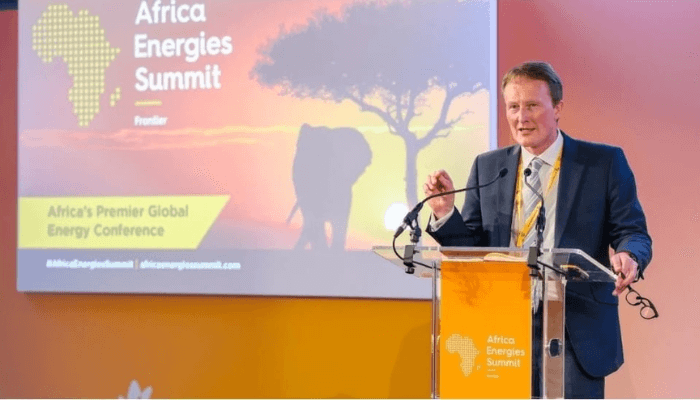
A call to boycott the 2026 Africa Energies Summit has sparked controversy around the oil and gas industry gathering following allegations of discriminatory hiring practices raised by the African Energy Chamber (AEC).
The Chamber has urged African officials, companies and industry leaders to withdraw support from the Africa Energies Summit 2026, citing claims that the event’s organisers allegedly maintain hiring practices that exclude Africans and Black professionals.
According to information on the summit’s website, the conference is scheduled to take place in London from May 12 to 14, 2026, and is promoted as a major platform bringing together African governments, investors and oil and gas executives to discuss upstream investment opportunities across the continent.
The dispute escalated after the AEC publicly called for a boycott, arguing that institutions benefiting from African markets and participation should ensure fair access to employment.
Executive Chairman of the AEC, NJ Ayuk, said organisations that profit from African markets and sponsorship should not exclude Africans from job opportunities.
“Institutions that profit from African markets, African sponsorship and African participation cannot continue to deny Africans fair access to employment,” Ayuk said in a statement circulated by the Chamber.
He added that organisations seeking credibility in Africa should demonstrate commitment to inclusion while benefiting from the continent’s energy sector.
The Chamber has linked its concerns to Frontier Energy Network, the organisation associated with the summit.
AEC argued that African public officials and corporate leaders should reflect on their participation in international platforms if the allegations remain unresolved, particularly given the emphasis many African governments place on local content and indigenous participation in the petroleum industry.
Despite the controversy, the summit continues to be promoted as a major industry forum, described on its website as a high-level global gathering for companies active in Africa’s upstream oil and gas sector.
The AEC has, however, stressed that its position is not an attack on the oil and gas industry but a call for greater inclusion of African professionals.
According to the Chamber, Africa’s petroleum sector remains central to jobs, government revenue and energy access across the continent, but institutions engaging with African markets should reflect those realities in their employment practices.
As of the time of filing this report, there has been no publicly available response on the summit’s official website directly addressing the discrimination allegations.
Industry observers say the coming weeks may determine whether the boycott gains traction among African officials and companies expected to attend the event.
The outcome could also shape broader discussions about representation, access and participation in platforms that promote Africa’s global energy investment narrative.
Disclaimer
Comments expressed here do not reflect the opinions of Vanguard newspapers or any employee thereof.