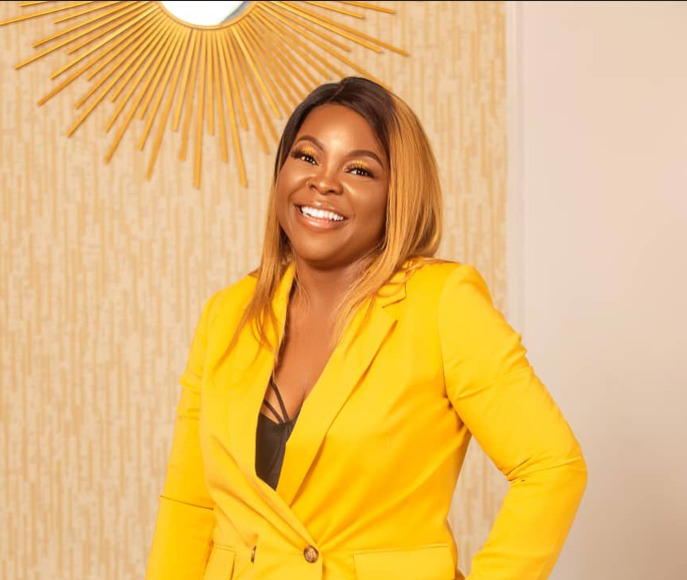
In the world of African entertainment, where talent is abundant but structure is often elusive, one name has become the backbone of the continent’s most strategic career moves. Sarah Williams-Konha, the Chief Operating Officer of TokindrumzManagement Agency, is more than a manager; she is an architect of professional legacies. From the negotiation tables of London to the viral digital campaigns that dominate our screens, Williams-Konha has mastered the art of bridging the gap between raw African artistry and global corporate standards.
In an interview with select journalists, she discussed the evolution of talent management and what it takes to turn a viral moment into a sustainable global brand.
What does modern talent management look like today, beyond the glitz of booking shows and negotiating deals?
While the entertainment industry certainly has its glitzy side, the day-to-day reality for a modern talent manager is rooted in brand development. It’s about working closely with talent to find their voice, craft their stories, and set a long-term direction.
Beyond the creative, there is the heavy lifting: crisis management, reputation repair, and navigating the press. You never truly know what a day will throw at you. It is a complex intersection of branding, marketing, storytelling, and media management. Essentially, we are “the hand that rocks the cradle”—making sure every piece of the machinery works to achieve the talent’s vision, whether that’s in music, content creation, or beyond.
How do you differentiate between a short-term “hype” artist and someone with long-term potential?
Talent is a dime a dozen; what separates the greats is “doggedness”—the ability to stay on it and keep refining the work until it gains traction. To play the long game, an artist must have an unwavering commitment to the process and a willingness to “rinse and repeat”—tweaking and optimizing their craft over and over.
We also look for:
Work Ethic: You cannot have an artist who is easily defeated or has a poor work ethic; the creative space is too demanding.
Flexibility: The ability to take constructive feedback and use it to fine-tune the art is vital.
Vision and Passion: We draw energy from the artist. We can’t push them beyond a certain point if they aren’t clear about where they want to go.
In the African and Nigerian markets, what areas of artist development are most frequently overlooked?
The most overlooked aspect is the depth of branding. Many assume branding is just about clothes, shoes, or a logo, which leads to a “cookie-cutter” approach. We often see artists forced into templates—either the “poverty structure” or the “refined loverboy/girl” trope—without developing range in sound or messaging.
Furthermore, there is a lack of ongoing training. Even after getting signed, global stars like Justin Bieber hire voice coaches to handle changes in their vocals. Our artists need to keep honing skills in stage management, performance, and songwriting. Finally, artists need to understand the business—knowing their rights and understanding the conversations happening in the room so they can contribute constructively to their own careers.
What does the “behind-the-scenes” ecosystem of a well-managed artist actually look like?
It looks like structure. It is an end-to-end team where the Business Manager is the key driver. That ecosystem includes:
– Legal and Financial: Lawyers and accountants who report to the business manager.
– Operations: Booking agents who work in tandem with management.
– Creative: Producers, songwriters, and—for live performers—the band.
It truly takes a village of professionals to make a talent blossom.
What are the biggest mistakes you see young or emerging managers making?
The biggest mistake is a lack of documentation. Many rely on “gentleman’s agreements,” but pen-to-paper is necessary. You do contracts when everyone is happy so that if things go wrong, you have a framework to rely on.
Another error is a lack of specialized education. Managing an actor is not the same as managing a musician; the ecosystems are different. You must understand the specific nuances of the sector you are in.
Looking Toward 2026: Reputation and Data
As we look toward 2026, how is reputation management and data changing for creatives?
On Crisis Management: With the advent of social media, the “gatekeepers” are gone. One wrong word can do immense damage in seconds. For 2026, ignorance—be it political or social—is no longer an excuse. Reputation is now a form of currency that determines which rooms you can enter.
On Storytelling: If you don’t tell your story, someone else will, and you may not like their version. We are in the “rise of the creators.” Artists must be willing to tell their stories visually and through written words, not just through lyrics.
On Data Analysis: Working without data is swinging in the dark. Technology now allows us to see people’s responses and locations in real-time. Data shouldn’t replace creativity, but it should guide decisions—helping you decide whether to “niche down” on a specific audience or pivot to reach a new one.
The Future of the Industry
The industry must evolve beyond artists simply appointing their friends as managers. We need more trained professionals building management firms that cover the entire creative spectrum—from music to sports and storytelling. As African talent continues to be exported globally, these “silent drivers” behind the scenes will be what truly sustains the ecosystem.
Disclaimer
Comments expressed here do not reflect the opinions of Vanguard newspapers or any employee thereof.