By Emmanuel Okogba
A leading expert in the field of public health has unveiled a groundbreaking study that positions wearable health devices as the next frontier in preventive healthcare.
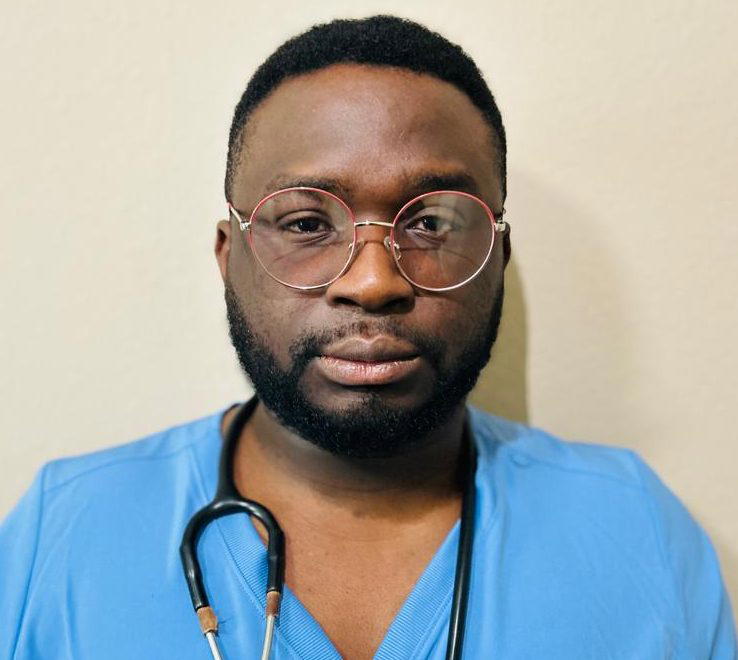
In a study made available to newsmen by the researcher, Dr. Chekwube Martin Obianyo, he disclosed that wearable technology is rapidly evolving from basic fitness gadgets into powerful medical tools capable of transforming modern healthcare.
The research, published in World Journal of Biological, Pharmacy and Health Sciences, highlights how devices once limited to tracking steps and heart rate are now integrated with sophisticated sensors and artificial intelligence (AI) to monitor vital health parameters in real time.
“Wearables have moved beyond counting steps — they are becoming early warning systems for disease,” Dr. Obianyo explained.
Dr. Obianyo and his co‑authors, including V. Ezeamii and Benjamin Idoko, reviewed a wide range of current wearable technologies.
Findings showed that they analysed smartwatches, smart fabrics, implantable sensors, and other emerging devices shaping how health data is collected and used. According to the study, such advancements are enabling continuous health monitoring outside clinical settings.
“At the heart of these innovations is the capability for early detection,” the researcher said. “Continuous monitoring allows us to identify patterns that would otherwise remain hidden until symptoms worsen.”
The study also highlighted the role of AI in interpreting large volumes of biometric data. These technologies can detect anomalies, predict health risks, and even suggest personalized interventions. “AI is not just an add‑on — it’s the engine that makes sense of data for meaningful health insights,” Dr. Obianyo noted.
In discussing current applications, the paper pointed out that wearables are already being used to track chronic conditions such as diabetes and hypertension. Patients and clinicians alike benefit from more accurate and timely information, allowing faster responses to potential health threats.
However, Dr. Obianyo also raised concerns about data accuracy, a key challenge facing wearable health technology. “Precision matters,” he stated. “If the data is flawed, the decisions based on it can be misleading.” The study calls for improved standardization and testing to ensure that wearable sensors produce reliable results.
Another issue highlighted is privacy — the protection of sensitive health information. With personal metrics constantly recorded and transmitted, the paper urges stronger safeguards to prevent unauthorized access. “We must ensure that the convenience of technology does not come at the expense of privacy,” Dr. Obianyo said.
User compliance is also a concern; the researcher observed that many individuals abandon wearable devices within months of purchase. The study suggests that design improvements and better integration into daily routines may help maintain long-term use.
Despite these challenges, the research expresses optimism about wearables’ potential to shift healthcare from reactive to preventive models.
“The real value of wearables lies in stopping problems before they start,” Dr. Obianyo remarked. This proactive approach could reduce hospital visits and lower healthcare costs over time.
The paper also explores future directions, including smart fabrics that weave sensors into clothing and implantable devices that offer continuous internal monitoring. These innovations may open doors to tracking conditions that were previously difficult to monitor outside hospitals.
In addition, the research touches on ethical considerations, urging developers and policymakers to address equity and accessibility. “Technology should bridge gaps, not widen them,” Dr. Obianyo said, highlighting the need for affordable health wearables across diverse populations.
Experts in public health and technology have welcomed the study, noting its comprehensive analysis and forward‑looking perspective. Some believe that as wearables become more advanced, they could play a key role in global health strategies, particularly in underserved regions.
Disclaimer
Comments expressed here do not reflect the opinions of Vanguard newspapers or any employee thereof.