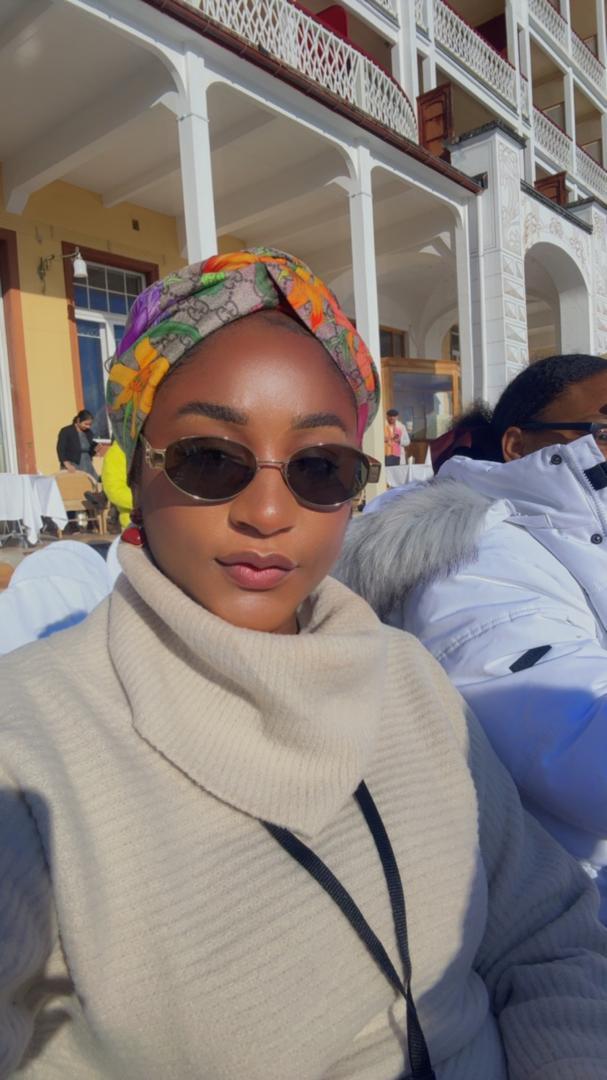
Discussions at this year’s World Economic Forum (WEF) in Davos have highlighted a growing shift in the geography of global influence, with emerging markets gaining prominence in debates on economic growth, mobility and tourism, according to Kechi Ibe, Founder of Kahera Country Club and Kahera Luxury.
Ibe, who attended the annual gathering, said the tone of engagement reflected a clear departure from earlier years, where emerging economies were often framed as peripheral or aspirational. “What stood out this year was that emerging markets were not being spoken about hypothetically,” she said.
“They were being discussed as active participants in shaping future growth models, particularly in travel, hospitality and mobility.”
Although the WEF programme featured high-profile public panels, Ibe noted that many of the most consequential discussions occurred in private, invitation-only sessions. These meetings brought together policymakers, investors, founders and operators to examine how tourism, luxury hospitality and global mobility can function as strategic economic levers rather than auxiliary sectors.
“Much of the real work in Davos happens off stage,” Ibe said. “The conversations were candid, commercially grounded and focused on execution regulatory clarity, bankability, and operational credibility rather than vision statements.”
Participants in these sessions explored how countries are increasingly using tourism and hospitality to project soft power, attract investment and retain global talent.
According to Ibe, there was broad consensus that quality of experience, rather than sheer visitor numbers, will define competitiveness in the next phase of global tourism.
Beyond policy discussions, Ibe said Davos once again underscored the role of hospitality infrastructure in shaping influence. The ability to convene stakeholders in carefully curated environments private residences, national houses and exclusive meeting spaces was seen as central to deal-making and relationship building.
“Hospitality has become a form of infrastructure,” Ibe said. “Where you are based, how accessible you are, and the experience you create directly affects who engages with you and how seriously those engagements are taken.”
She noted that proximity to key national pavilions, including USA House, facilitated informal diplomacy, with unscheduled interactions often leading to follow-up meetings and commercial discussions.
“In Davos, proximity is not just convenience; it is strategic positioning,” she added.
This dynamic reflects a broader trend in global engagement, where experiential environments are increasingly recognised as enablers of trust and long-term collaboration.
Ibe observed that countries and companies investing in high-quality hospitality platforms are better positioned to host decision-makers and shape narratives.
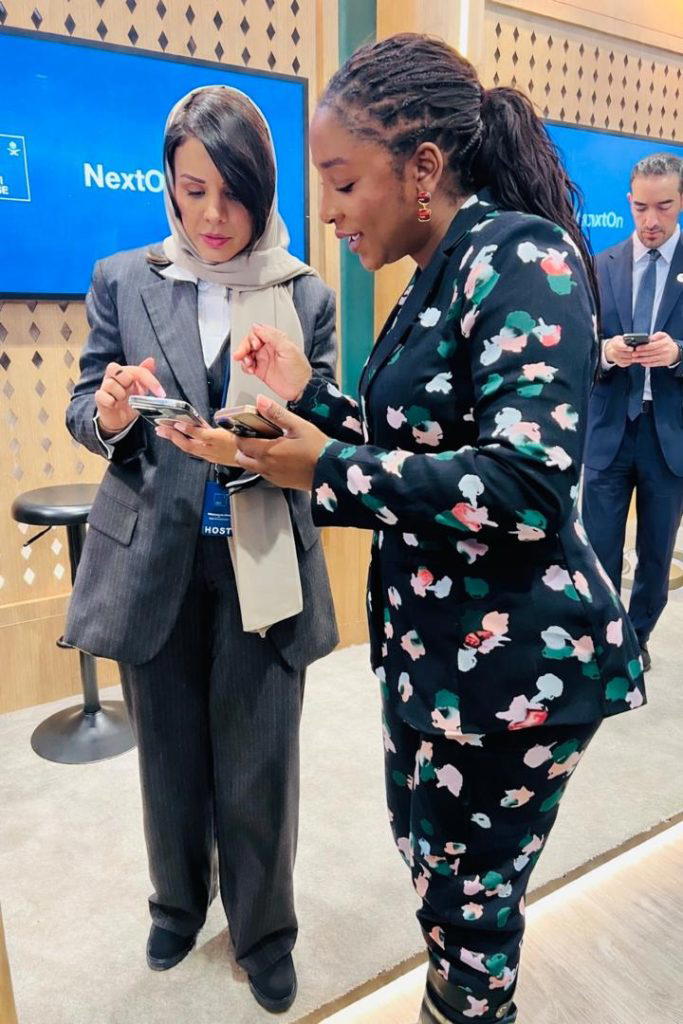
One of the most closely observed developments of the week took place at Saudi House, where Princess Reema bint Bandar Al-Saud, alongside Saudi Arabia’s Minister of Tourism, unveiled the Quality of Life Index developed in partnership with UN-Habitat.
According to her, the initiative reframes quality of life as a measurable and investable framework, linking tourism, urban planning, culture and wellbeing.
Ibe noted that the index is intended to guide policy, inform investment decisions and position the kingdom as a destination aligned with global standards of liveability.
“The message was very deliberate,” Ibe said. “Saudi Arabia is saying that the future of tourism and talent attraction will be driven by how people actually live, not just by how many people visit.”
The announcement was widely interpreted in Davos as part of Saudi Arabia’s broader effort to reposition itself within the global tourism and investment landscape, moving beyond scale-driven development towards quality, sustainability and human-centred design.
The evolving discourse at Davos has direct implications for Nigeria and other emerging markets seeking to attract global capital and relevance.
Ibe noted that tourism currently contributes an estimated US$17 billion to Nigeria’s gross domestic product and supports nearly two million jobs.
However, international arrivals remain modest at just over one million annually, significantly lower than destinations with comparable cultural assets.
Ibe believes that the opportunity for Nigeria lies in high-value, experience-led tourism rather than mass-market models. These include culturally immersive luxury hospitality, diaspora-driven business travel, global events, wellness tourism and curated destination experiences.
“What investors are looking for now is coherence,” Ibe said. “They want to see a clear narrative, capable operators and infrastructure that meets international expectations. Capital is available, but it is selective.”
Several investors in Davos noted that while interest in Africa is growing, execution risks remain a key concern. Issues such as regulatory uncertainty, fragmented policy frameworks and inconsistent delivery continue to deter long-term commitments, despite strong demand fundamentals.
A recurring theme across Davos discussions was the idea that global influence is no longer determined by presence alone. Instead, credibility is built through consistency, delivery and trust.
“Simply being at Davos is no longer enough,” Ibe said. “Influence now comes from showing that you can bridge public policy and private capital, culture and commerce, and emerging and established markets.”
There are indications that countries which successfully align tourism, quality of life and investment policy are better positioned to attract not just visitors, but long-term residents, entrepreneurs and institutional capital.
As global conversations increasingly centre on mobility, liveability and experiential economies, emerging markets that invest strategically in these areas stand to gain relevance in shaping future growth trajectories.
For many participants, Davos 2026 served less as a conclusion and more as an early signal.
As Ibe put it, “It confirmed that the next chapter of global travel, hospitality and influence is already being written and emerging markets have a seat at the table, if they are prepared to execute.”
Disclaimer
Comments expressed here do not reflect the opinions of Vanguard newspapers or any employee thereof.