By Kingsley Adegboye
The ongoing rehabilitation of the Lekki–Epe Expressway, also known as the Abraham Adesanya–Epe corridor, underscores Lagos State’s commitment to upgrading critical transport infrastructure.
However, an infrastructure expert has cautioned that the long-term success of the project will hinge not just on construction, but on the adoption of a disciplined and proactive maintenance culture.
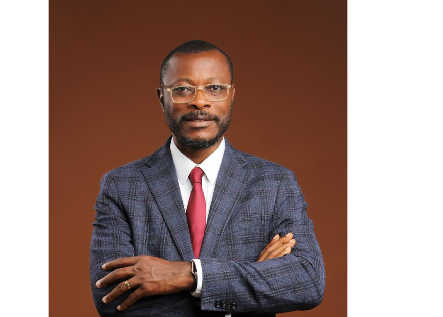
Oluwabusuyi Adonis Fakanlu, an architectural technologist and CEO of Comfort Architectural Finishing Limited, described the expressway’s rehabilitation as a significant achievement in Lagos State’s infrastructure development journey. He stressed that completion alone does not guarantee lasting impact.
“Nigeria’s experience shows that the true test of infrastructure is not the commissioning, but how effectively it is maintained over time,” Fakanlu said, noting that sustainability remains a central challenge.
“Roads are built at enormous cost, only to deteriorate prematurely due to neglect, poor drainage, weak enforcement, and inconsistent funding. The Lekki–Epe Expressway must not follow this path.”
He emphasized that routine maintenance—sweeping carriageways, clearing debris, controlling vegetation along medians and shoulders—is fundamental yet often overlooked. Such measures, he noted, prevent drainage blockages and preserve visibility, costing far less than major rehabilitation projects.
Fakanlu warned that the expressway’s coastal location makes it particularly vulnerable to water damage. “Prompt repair of potholes and surface defects is critical. In humid, high-rainfall areas like Lekki, minor cracks can quickly escalate into major structural failures,” he said.
He called for preventive maintenance to be institutionalized as policy, highlighting interventions like crack sealing, surface coatings, and regular drainage clearing as proven ways to extend pavement lifespan. Citing transportation consultant Engr. Kunle Adeyemi, Fakanlu noted that most road failures in Nigeria are not due to poor construction, but the absence of structured maintenance regimes.
Periodic maintenance, he stressed, should be planned and funded from the outset, including repainting road markings, replacing reflective studs, and inspecting bridges and culverts on a predictable schedule. Delaying action until deterioration becomes visible, he said, is both unsafe and economically wasteful.
Beyond engineering, Fakanlu highlighted traffic management and enforcement as key to infrastructure longevity. “Overloaded trucks are silent destroyers of highways. Without strict axle-load controls and consistent enforcement, even the best roads will fail prematurely,” he noted, recommending technology-driven traffic monitoring and rapid-response emergency units.
Public participation is another pillar he urged authorities to leverage. “Road users are often first to notice emerging defects. Reliable reporting platforms and continuous public education on safe driving and infrastructure protection can improve accountability and response times,” he said.
Fakanlu encouraged Lagos State to set a national benchmark by adopting durable materials, green drainage solutions like bioswales, and landscaped buffers to control erosion and reduce noise pollution. He concluded by stressing the importance of governance and funding structures. “Performance-based PPP models and independent technical audits are vital for efficiency, transparency, and public trust,” he said.
“The Lekki–Epe Expressway represents a defining moment for Lagos,” Fakanlu said. “It can either become another asset weakened by neglect or a model for a maintenance-driven culture in Nigeria. The difference lies not in ambition, but in discipline. If Lagos gets maintenance right, the benefits will endure long after the asphalt.”
Disclaimer
Comments expressed here do not reflect the opinions of Vanguard newspapers or any employee thereof.