By Rasheed Sobowale
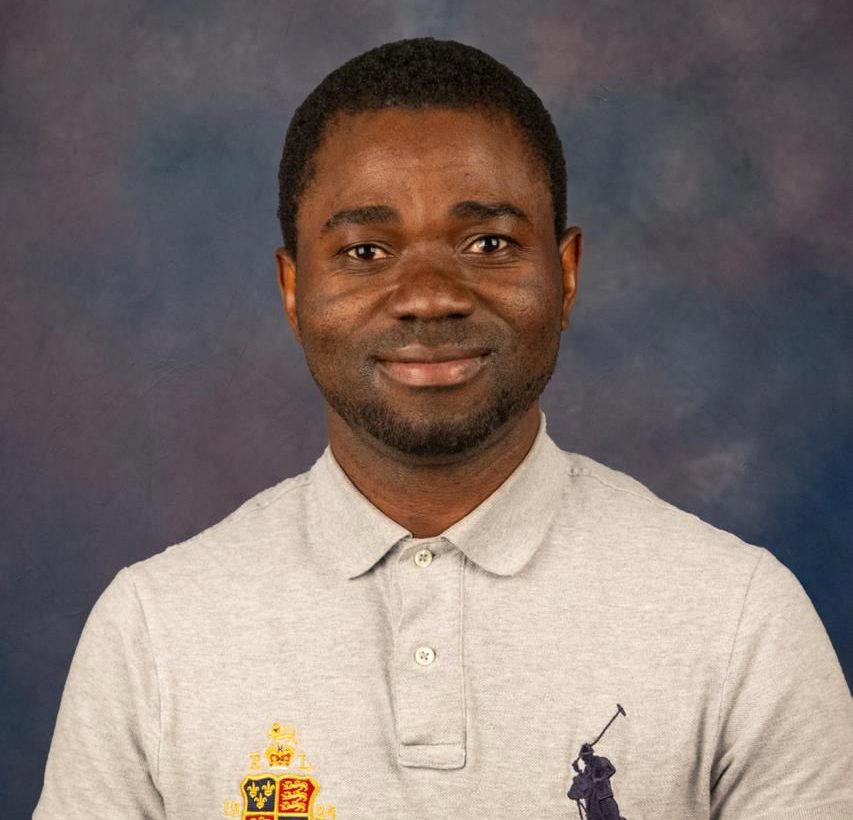
A researcher in human medical genetics and genomics, Suraju Sadeeq, has made significant contributions to understanding major gaps in how genetic risk prediction models perform among African populations, raising concerns about equity in genomic medicine.
Sadeeq, who conducts immunogenetics and computational genomics research at the University of Colorado Anschutz Medical Campus in the United States, explained that recent studies show that many widely used polygenic risk score (PRS) models which estimate disease susceptibility based on combined genetic variants are significantly less accurate when applied to African populations.
According to him, this limitation stems largely from the fact that most existing genomic datasets used to develop PRS models are based on individuals of European ancestry, leaving African populations underrepresented in global genetic research.
He said, “Africa has the highest level of genetic diversity in the world, yet it remains the least represented in genomic studies. When risk prediction tools are built using non-African genetic ancestry, their performance becomes unreliable when applied to African populations.”
Sadeeq warned that the growing dependence on PRS-based prediction in precision medicine could unintentionally widen health disparities if African populations continue to be excluded from large-scale genomic studies.
He explained further that recent research in statistical genomics highlights the need for population-specific analytical frameworks, improved African representations in genetic research, and computational tools capable of handling diverse genetic structures.
He added that advances in new bioinformatics platforms are helping researchers interpret complex genetic variations more efficiently, which may support African-inclusive genomic research if widely adopted across research institutions.
According to him, strengthening genomic research capacity in Africa will not only improve disease-risk accuracy for local populations but also enrich global science due to the continent’s genetic diversity.
“For genomic medicine to be equitable, African populations must be fully represented in research,” he said.
He further stressed that lack of sufficient GWAS (Genome Wide Association Study) data and tools is the limiting factor of applying PRS analysis to sub-Saharan populations.
He noted that ongoing efforts by researchers working in Africa-focused genomics demonstrate growing recognition of this challenge, but emphasized that greater investment and collaboration are still urgently required of Africa-specific PRS methods and tools for estimating and analyzing African population data for clinical evaluation of PRSs of interest and predicting rare diseases.
Suraju is also an experienced educator and mentor. He actively mentors STEM professionals and promotes diversity in STEM through the Clear Direction Mentoring program.
He is an active member of several professional organizations, including The American Society of Human Genetics (ASHG), and serves as a peer reviewer for reputable journals and conferences.
Suraju has presented his work at national and international conferences such as ASHG, and European Immunogenetics & Histocompatibility Conference (EFI), and has multiple publications in high-impact journals including Cell, Bionformatics and F1000Research.
Disclaimer
Comments expressed here do not reflect the opinions of Vanguard newspapers or any employee thereof.