From last week continues the narrative on the constitutional roles of traditional rulers in the first republic. It also highlights their little recognition in the 1979 constitution and the non recognition in the 1999 constitution.
The 1999 Constitution has no role for traditional rulers in the country. This contradicts the 1979 Constitution, which provided a little role for traditional rulers. Section 140 of the 1979 Constitution states that 1. The Council of State shall comprise the following persons, namely—(a) the President, who shall be the Chairman (b) the Vice-President, who shall be the Deputy Chairman ; (c)all former Presidents of the Federation and all former Heads of the Government of the Federation; (d) all former Chief Justices of Nigeria who are citizens of Nigeria; (e) the President of the Senate; (g) all the Governors of the States of the Federation; (h) all the Governors of the States of the Federation; (h) the Attorney-General of the Federation; and (i) one person from each state, who shall as respects that State be appointed by the Council of Chiefs of the State from among themselves.
The legal Drafting Team of THE CONSTITUENT ASSEMBLY between 1978 and 1979 was coordinated by a friend whom I have the greatest respect for, Justice John Hezekiah Omololu Thomas (1925- January 2, 2018). An autographed 1979 Constitution by Justice Thomas is still with me till today.
In the recommendation of THE CONSTITUENT DRAFTING committee of 1975. The President shall consult the Council of States as a body in the exercise of his powers in relation to National population census and Registry, Prerogative of Mercy, Award of National honours, Electoral Commission and such other matters as the President may wish to consult the Council. The members of the Council of States are (1) The President as the Chairman (2)the Vice-President as the Deputy Chairman; (3) former President who did leave office for reasons of dishonesty or Senate impeachment and who for the time being do not suffer any of the disqualifications prescribed for a Senator; (4) former Chief Justice of the Federation who did not leave office for reason of dishonesty and who is not otherwise disqualified if he were a Senator; (5) President of the Senate; (6) Speaker of the House of Representatives; (7) State Governors (8) Attorney-General of the Federation (9) former most senior Grand Khadi ; (10) six other persons appointed by the President, and (11) one traditional ruler from each state, to be appointed by the State Council of Chiefs from among themselves. Persons who are members of the Council by virtue of their former office shall hold office for life unless they are otherwise disqualified.
While the 1979 Constitution gave a little role to the traditional rulers, the 1963 Constitution gave free role to them. Section 41 of the 1963 Constitution states that (41) There shall be a Parliament of the Federation, which shall consist of the President, a Senate and a House of Representatives. (42) —1. Without prejudice to the provisions of section 46 of this Constitution, the Senate shall consist of—- twelve Senators representing each Region, who shall be selected at a joint sitting of the legislative houses of that Region from among persons nominated by the Governor; four Senators representing the Federal territory; c. four Senators selected by the President, acting in accordance with the advice of the Prime Minister. (2) The Senators representing the Federal territory shall be (a) the Oba of Lagos, who shall be an ex-officio member of the Senate; (b) a Chief selected in such manner as may be prescribed by Parliament by the White White-Cap Chiefs and War Chiefs of Lagos from among their own number; and c. two other persons selected for that purpose in such manner as be prescribed by Parliament. (3) A joint sitting of the legislative houses of a Region may regulate its own procedure for the purposes of this section. 43. Without prejudice to the provisions of sections 47 and 88 of this Constitution, the House of Representatives shall consist of three hundred and twelve members.
To be concluded
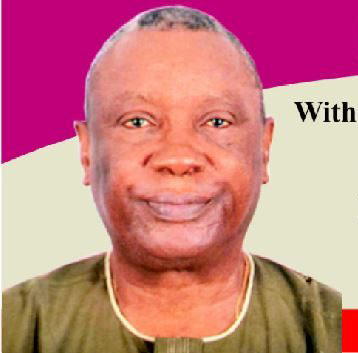
•Teniola, a former director at the Presidency, wrote from Lagos.
Disclaimer
Comments expressed here do not reflect the opinions of Vanguard newspapers or any employee thereof.