By Sola Ogundipe
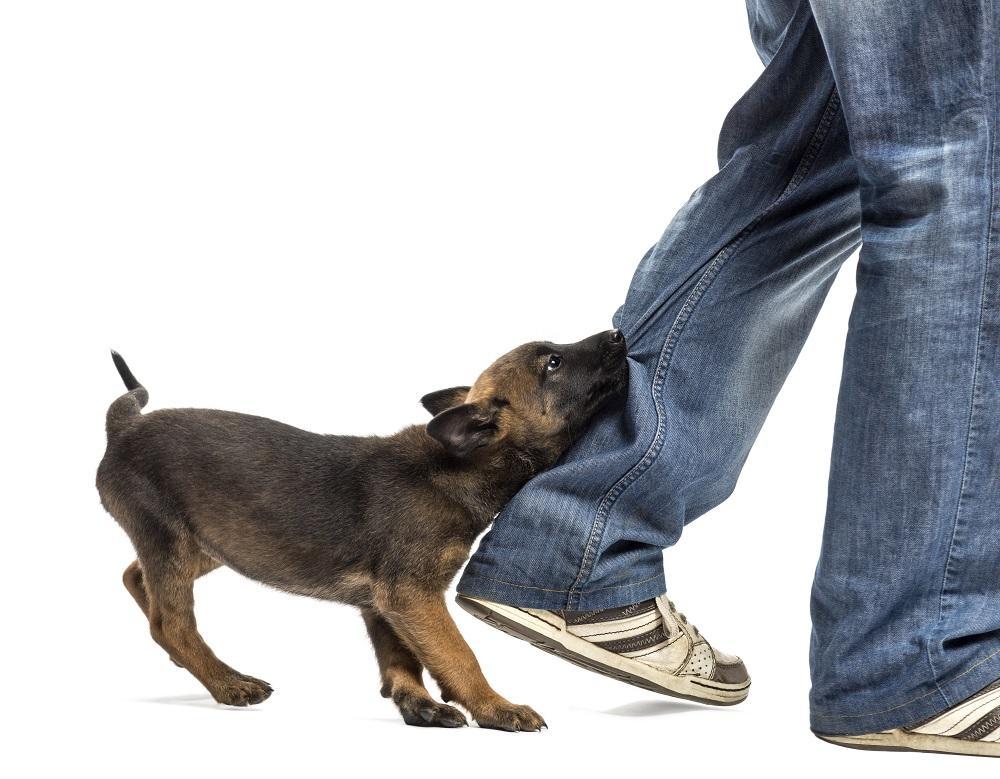
Every dog bite is dreaded even though it is not usually treated as a medical emergency. Dog attacks and dog bites are often dismissed as a scratch, but behind every bite lies the shadow of rabies, a disease so deadly once symptoms appear, survival is almost impossible.
Nigerians who have experienced dog bites tell stories of pain, confusion, delayed care, and a desperate search for Post-Exposure Prophylaxis (PEP), the life-saving vaccine that is often scarce, expensive, or simply out of reach.
Taiwo, a 25-year-old office clerk was bitten by a stray dog on his way to work in Agege area of Lagos.
“The dog came out of nowhere, people ran for dear life, I attempted to run too but before I could move, I felt a sharp sting on my left leg, I had been bitten. The dog ran away immediately,” he told Saturday Vanguard.
Taiwo noticed puncture marks where the dog’s canines had bitten into his flesh.
“I quickly rushed to a nearby chemist, where the wound was cleaned. I was advised to go to the nearest hospital for anti-tetanus and anti-rabies injections. Shaken but relieved, Taiwo went to the hospital where he was given an anti-tetanus shot, but there was no rabies vaccine, and he was referred to the General Hospital. “I visited two other hospitals in Agege, but the rabies vaccine was out of stock, I was advised to search and buy it myself and bring it back to be administered.
“I went from Agege to Ogba, to Ikeja, then to Yaba, where the vaccine was available but at a high cost.”
A combination of borrowing, begging helped him to raise the sum and finally bought the injection and had it administered.
Rabies makes you afraid of time,” said Abibat, resident of a farming village in Ogun State. ”Sanmi, my eight-year-old son was bitten by an unknown dog while helping his grandmother on the farm.
“People around insisted that the dog was healthy and recommended local remedies, I agreed because there was a hospital with PEP around.
“For weeks afterward, I watched Sanmi closely, interpreting every fever as a possible death sentence. The terror of rabies makes you afraid of time itself,” she said. Daniel knew the terror of dog bites and rabies firsthand. He was trying to break up a fight between two of his dogs, when he was viciously attacked.
“The larger dog turned on me, inflicting deep bites to my hands, arms, head, and thigh,” he told Saturday Vanguard.
“My sons rushed me to the hospital, but there was no rabies vaccine available, and I had to buy it from a medicine store. I survived, but the physical and emotional scars remain,” he lamented.
Even familiar dogs are not always safe. In Ikorodu a mother watched in horror as the family dog bit her young daughter during play.
“The dog had no reliable medical history and no guarantee of ever being vaccinated. At the hospital, PEP was administered, but after two doses, the hospital ran out of stock, forcing us to search high and low in the town,” she noted. For Olu, a 16 year old schoolboy, a dog bite ended in tragedy. The dog bit him on the leg, he was taken to the hospital, sadly there was no rabies vaccine.
Days later, Olu became feverish, confused, and terrified of water, the classic rabies symptoms. His family watched helplessly as the disease consumed him. He did not recover.
Damilola was bitten on her way home from a night class. The campus clinic had no rabies vaccine.
“I needed to get the vaccine fast, when I confirmed availability in some online pharmacies, each was priced differently. It was survival by information, if you don’t know who to ask and where to go, you’re finished,” Damilola observed.
Rampant dog bites expose the high cost of rabies survival in Nigeria. These experiences highlight a national public health gap. Rabies remains endemic in Nigeria, driven largely by low dog vaccination coverage and a growing population of stray dogs.
Yet PEP, the only proven protection after exposure, is inconsistently available, especially in primary health centres and rural areas. When available, it is often unaffordable, pushing families into debt or dangerous delays.
Misinformation compounds the problem. Many Nigerians still believe a dog must appear “mad” to transmit rabies, or that home remedies can neutralise the virus, while in reality, a seemingly healthy dog can transmit rabies days before showing symptoms.
Behind the silence lies a deadly threat. Despite the danger, awareness among victims remains dangerously low, vaccines and life saving post exposure prophylaxis (PEP) are scarce.
Dog vaccination coverage languishes between 4.1 and 38 percent, far below the World Health Organisation’s 70 percent threshold for herd immunity.
Worse still, weak enforcement of dog ownership laws, gaps in surveillance, and poor compliance with responsible pet care have left communities exposed.
Nigerian situation
The World Health Organisation (WHO) describes rabies as an acute, central nervous system infection, causing paralysis and death.
The disease is caused by the lyssavirus that is spread via saliva through the bite of a rabid animal with dogs responsible for over 90 percent of human infections.
In Nigeria, an estimated 10,000 people are exposed annually, with dogs accounting for 98 percent of confirmed cases, yet vaccination coverage remains dangerously low, just 15–38 percent in most states, far below the 70 percent threshold needed for herd immunity.
The Nigeria Centre for Diseases Control and Prevention (NCDC), says Plateau State and surrounding North Central States have shown high risks of dog rabies outbreaks, particularly during July to September.
Lagos State recently reported an outbreak in the Ajah area, and other hotspots include Gombe, Kano, Imo and Cross River States.
Police warning
Rising cases of dog bites often prompt the police to warn owners to restrain their pets, citing violations of the Dog Act Cap 35 Law of the Federation of Nigeria. Prevention and control of rabies begin with responsible dog ownership,” a police officer who pleaded anonymity told Vanguard.
“If you own a dog, ensure that it is vaccinated regularly, keeping your dog indoors or on a leash reduces bites and keeps the dog safe and training dogs to behave well around strangers is equally vital.”
Under the Dog Act it is mandatory for all dogs in Nigeria to be vaccinated, registered, and restrained to prevent human attacks, but enforcement remains weak, resulting in many stray and non-vaccinated dogs roaming freely. The Criminal Code also penalises owners whose dogs attack humans, but most victims often struggle to seek justice due to poor legal awareness.
Govt response
Some states such as Lagos State have begun enforcing stray dog regulations, although implementation is inconsistent.
The National Veterinary Research Institute (NVRI), Vom, Plateau State plays a central role in tracking animal rabies cases. The federal government launched a nationwide dog vaccination campaign in 2024, alongside a dog registry to hold dog owners accountable.
Nigeria adopted the Global Strategic Plan to eliminate dog-mediated human rabies deaths by 2030, and the National Strategic Plan (2022–2026) that aims to eradicate dog-mediated rabies by 2030 through mandatory dog registration and vaccination, involving collaboration among the Ministries of Agriculture, Health, and Environment, and partners like WHO and the FAO.
Cost or prevention/protection
Post-Exposure Prophylaxis (PEP) is the treatment given after a potential rabies exposure, such as a dog bite and it typically involves multiple doses.
From Vanguard’s findings, as of 2022, a single shot of human rabies vaccine was about N7000 per dose while human rabies immunoglobulin cost approximately N15,500.
Today the cost of human rabies vaccine is as high as N30,000 per dose while human rabies immunoglobulin costs N60,000 – N70,000 for a single dose, depending on the location and healthcare provider.
Experts Views
A veterinary consultant and Founder of the Kick Out Rabies Initiative, Dr. Nma Okoli described rabies as “one of the oldest and deadliest diseases, with approximately 10,000 cases reported annually”.
Okoli, a retired veterinary officer in the Federal Ministry of Agriculture and Rural Development, said the fight against zoonotic diseases like rabies is not just a scientific endeavour, but a matter of national urgency.
“Rabies is the perfect model for One Health (integration of human, animal, and environmental health). A single case of rabies is considered an outbreak, that one infected dog could bite countless others before it’s stopped. Rabies doesn’t wait,” she warned.
In Nigeria, rabies is one of six zoonotic diseases prioritised at the national level, alongside the Highly Pathogenic Avian Influenza (HPAI), bovine tuberculosis, Lassa fever, Mpox, and Yellow fever.
“Rabies involves the animal, the human it bites, and the community it threatens, you cannot tackle rabies without involving all three.
“We’ve developed integrated surveillance systems, but challenges remain. The animal health sector is underfunded, and investigations often stall due to lack of resources or political will.”
The One Health approach, she stressed, is now embedded in Nigeria’s disease surveillance system, coordinated by a ministerial steering committee involving the Ministries of Health, Environment, and Agriculture, and supported by the NCDC.
In the view of Dr. Sati Ngulukun, Acting Director of the Livestock Services Department at the Nigerian Veterinary Research Institute in Vom, dogs, rabies have a profound impact on public health and the healthcare system. He said dog bites put pressure on hospitals and clinics as the victims need urgent care to prevent infections.
“Rabies is a very big issue in Nigeria, it is a serious public health concern. Most of the diagnoses on animals are limited because of the lack of the diagnostic capacity in many areas, and often, the cases identified are only those that reach the veterinary hospitals.
“One infected dog can bite five to 10 people before it’s stopped, and most of these cases go unreported either because people don’t know what to do, or they act too late.
“We need to strengthen linkages, especially at the community level, risk communication is key. People need to know what rabies looks like, what to do when bitten, and where to go. Without that, we’re always reacting too late. We need proactive systems, not reactive ones.”
Disclaimer
Comments expressed here do not reflect the opinions of Vanguard newspapers or any employee thereof.