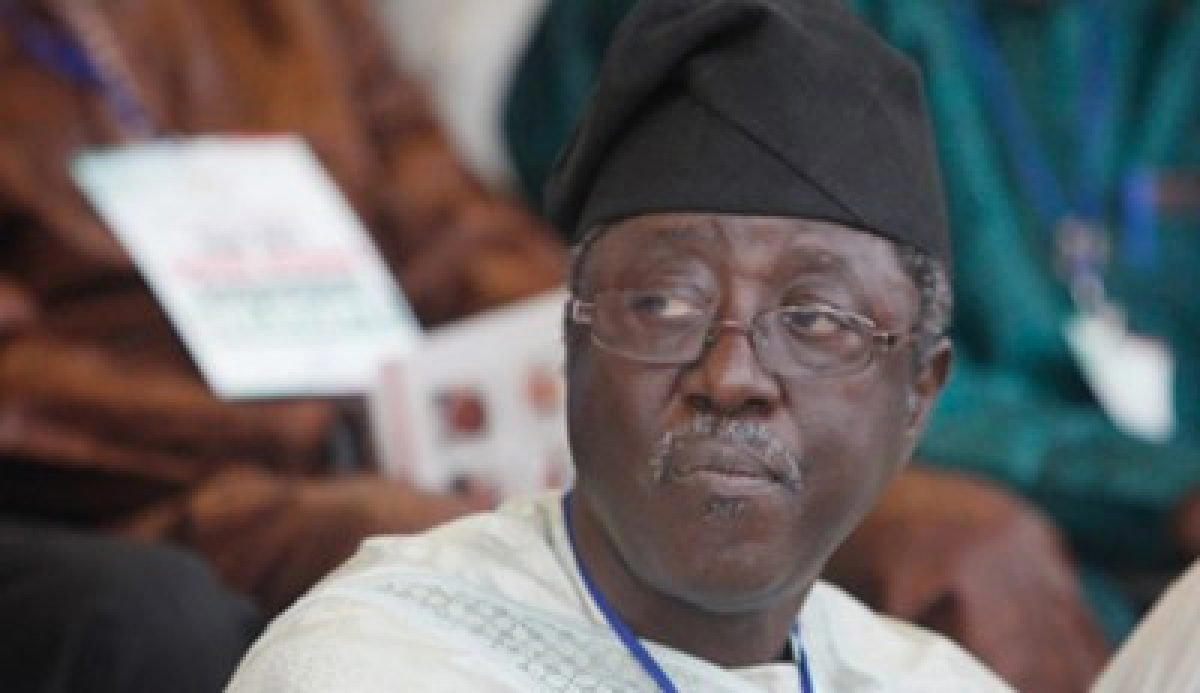
Jang
Former Plateau State Governor and Senator, Dr. Jonah David Jang, has issued a strong call for urgent national and international intervention to address what he described as the worsening insecurity and mass killings affecting Christians and rural communities in Nigeria’s Middle Belt.
Jang made the call while convening the Northern Christian Stakeholders’ Solemn Assembly, where he said the gathering was necessitated by what he termed a harrowing and long-ignored crisis of violence, displacement, and loss of ancestral lands.
Speaking with what he described as a “deep sense of responsibility and profound concern,” Jang said thousands of men, women, and children had been killed, displaced, or terrorised, stressing that the suffering of affected communities could no longer be downplayed or misunderstood.
“We are not here merely to discuss insecurity,” he said. “We are here to confront a painful truth — that defenceless, largely Christian rural populations are being killed, driven from their lands, and terrorised with frightening consistency.”
Addressing the contentious debate over whether the violence constitutes genocide, Jang acknowledged that the term carries strict legal definitions under international law. However, he argued that regardless of legal interpretations, the impact on communities was undeniable.
“Even if intent is disputed, impact is undeniable,” he said, adding that killings were concentrated largely in the Middle Belt, a region predominantly inhabited by Christians, fueling widespread perceptions of targeted violence.
Drawing from his tenure as Plateau State governor between 2007 and 2015, Jang recalled inheriting a deeply volatile security situation marked by repeated attacks in areas such as Riyom, Barkin Ladi, Mangu, and Jos. He alleged that arrests made during his administration were often undermined by higher authorities, leaving perpetrators unpunished.
He cited recent data from humanitarian organisations to underscore the scale of the crisis. According to UNICEF, attacks beginning on December 24, 2023, reportedly killed about 865 people, including 160 children, and displaced more than 15,000 residents in Plateau State. Amnesty International, he said,
In his welcome address, the host and Prominent Christian leader, Pastor Paul Enenche, warned that Northern Christians are facing an existential threat, calling for urgent unity to confront the challenges confronting the region.
Enenche described division as one of the greatest tools used by adversaries to weaken the people. He stressed that unity among Northern Christians must be made visible to the world, noting that the gathering marked only the beginning of greater developments ahead.
“When the unity of a people is strong, it becomes irresistible,” he said.
Explaining the purpose of the Solemn Assembly, Enenche said the meeting was convened to foster unity of speech, unity of prayer, unity of purpose, and unity in action among Northern Christians. According to him, collective strength is essential in addressing the pressing challenges affecting the region.
He emphasized that progress would not come by merely waiting for external intervention but through deliberate, coordinated action by the people themselves. Enenche urged stakeholders to move beyond rhetoric and work together in practical ways to safeguard their future and promote peace, stability, and development in Northern Nigeria.
The assembly, he noted, represents a critical step toward building a unified front capable of responding effectively to the threats facing Northern Nigeria.
In his remarks, Apostle Emmanuel Kure called for renewed unity and collective action among Nigerians as a critical step toward addressing the country’s ongoing security and humanitarian crises, stressing that discussions must move beyond testimonies to concrete solutions.
Kuru emphasized that unity remains the most powerful tool for confronting the challenges facing affected communities. He noted that meaningful change would only occur when people act together with a shared purpose, rather than relying solely on dialogue without action.
According to him, leadership at all levels plays a vital role in restoring peace and stability. He pointed to the efforts of some governors, traditional rulers, and community leaders working to bring comfort and reconciliation to troubled areas, describing their involvement as a positive and necessary development.
He urged stakeholders to work together in developing practical strategies that would protect lives, restore confidence in leadership, and ensure lasting peace for all Nigerians.
Stefanos Foundation, Mark Lipdo said the Foundation has been taking care of Persecuted Christians in Northern Nigeria since last 25 years.
The Coordinator reaffirmed Stefanos’s long-standing commitment to supporting persecuted Christians in Northern Nigeria, revealing that the foundation has been actively responding to the needs of affected communities for over 25 years.
According to the coordinator, the foundation has worked tirelessly to bring people together across ethnic and tribal lines, documenting the region’s diversity while promoting peaceful coexistence and collective identity. Despite numerous challenges, including insecurity and resistance, the foundation has remained steadfast in its vision.
“Our work has always been about unity,” the coordinator said. “Not politics, not denomination, and not personal interest but service to the people and obedience to God.”
The coordinator disclosed that the foundation is now taking deliberate steps to engage traditional rulers as part of a broader strategy to strengthen unity and community-led solutions. He noted that involving kings, chiefs, and other traditional authorities is crucial to achieving lasting peace and coordinated action at the grassroots level.
The Stefanos Foundation’s renewed call underscores growing efforts among civil society and faith-based organizations to move beyond advocacy toward structured, community-driven action in addressing insecurity and persecution in Northern Nigeria.
The Chairman, Stefanis Foundation Board, Engr. Salifus Laudo said the issue of Christian genocide in Nigeria is real and should be led to rest, no arguments. “It is clear”. We are not concerned about what government said. Christians must learn to take firm stand for the genocide to stop.”
He said political genocide must stop and highlighted the issue of genocide and its impact on your community.
Giving his testimony, Rev. Ebole Adohi narrated the horror experience Christians go through in the northern Nigeria.
Reverend Adohi further shared a harrowing account of persecution and violence allegedly suffered for practicing his Christian faith in Nigeria, and specifically explained how he lost his wife and five children to the jihadists on December 24 2023, drawing renewed attention to the plight of Christian communities, particularly in the northern parts of the country.
Despite the challenges, Adohi’s testimony has been described as inspiring by supporters, who say speaking out is essential to ensuring that the suffering of persecuted communities is neither ignored nor forgotten.
He called on the Christian leaders, Nigerian government, security agencies, and international partners to take stronger, coordinated action to protect lives, safeguard freedom of religion, and bring perpetrators of violence to justice.
Narrating his experience, Muslim concerted Pastor Mohammed Mohammed decries the continued persecution and violence against Christians in Nigeria, describing the situation as heartbreaking and deeply troubling, particularly in the northern part of the country.
Reacting to the testimony of Reverend Ebole Muhamad Muhamad Ishara Adohi, Mohammed praised the cleric’s courage in speaking out about attacks allegedly suffered for practicing the Christian faith. He said the reverend’s experience reflects a broader pattern of violence affecting many Christian communities across Nigeria.
Disclaimer
Comments expressed here do not reflect the opinions of Vanguard newspapers or any employee thereof.