By Joseph Erunke, Abuja
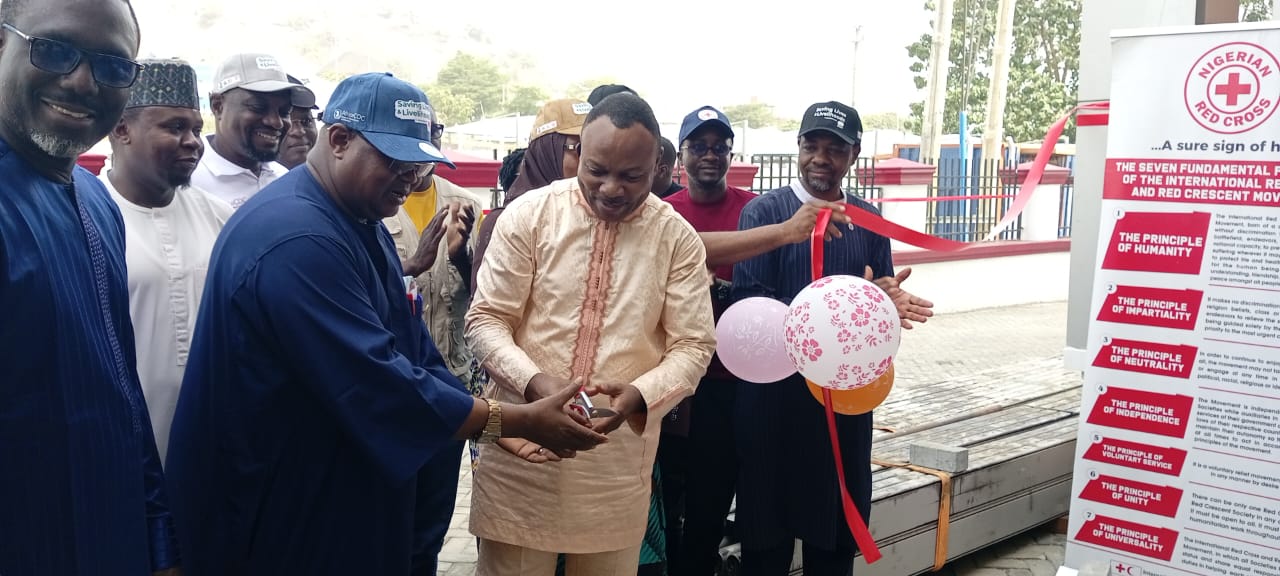
The United Nations World Food Programme, WFP, has boosted Nigeria’s emergency response capacity with the formal handover of 28 categories of humanitarian and warehouse equipment to the Nigerian Red Cross Society, NRCS, reinforcing the country’s ability to respond to disasters and humanitarian crises nationwide.
At the handover ceremony, the Secretary General of the NRCS, Dr. Abubakar Ahmed Kende, said the growing scale and complexity of emergencies globally have placed increasing demands on humanitarian responders.
“Humanitarian response today requires highly specialised personnel and modern equipment to meet rising needs,” Dr. Kende said.
According to him, “An efficient and well-coordinated logistics system is critical to the timely movement and delivery of relief materials during emergencies.”
The equipment handover represents a major milestone in a year-long partnership between WFP and the NRCS aimed at strengthening emergency preparedness, communications, and supply chain systems across Nigeria.
The support comes at a crucial time, as climate-related shocks, displacement, and food insecurity continue to heighten humanitarian needs in several parts of the country.
WFP’s Deputy Country Director, Guy Adoua, said the collaboration was designed to deliver sustainable, long-term impact rather than short-term interventions.
“Our partnership with the Nigerian Red Cross is rooted in a shared commitment to strengthening systems and building institutional capacity for rapid and effective emergency response,” Adoua said.
“As part of this effort, WFP supported a comprehensive organisational capacity assessment across key technical and operational areas to ensure lasting gains.”
The enhanced capacity is expected to significantly improve emergency operations by enabling faster and more coordinated responses, strengthening warehousing and supply chain management across multiple hubs, improving public communication during crises, and boosting preparedness for climate-induced and conflict-related emergencies.
For vulnerable communities, the strengthened systems translate into quicker, safer, and more efficient life-saving assistance when it matters most.
The Nigerian Red Cross Society remains the country’s leading humanitarian organisation, committed to saving lives, promoting health, and building community resilience through its extensive nationwide volunteer network.
Disclaimer
Comments expressed here do not reflect the opinions of Vanguard newspapers or any employee thereof.