By Esther Onyegbula
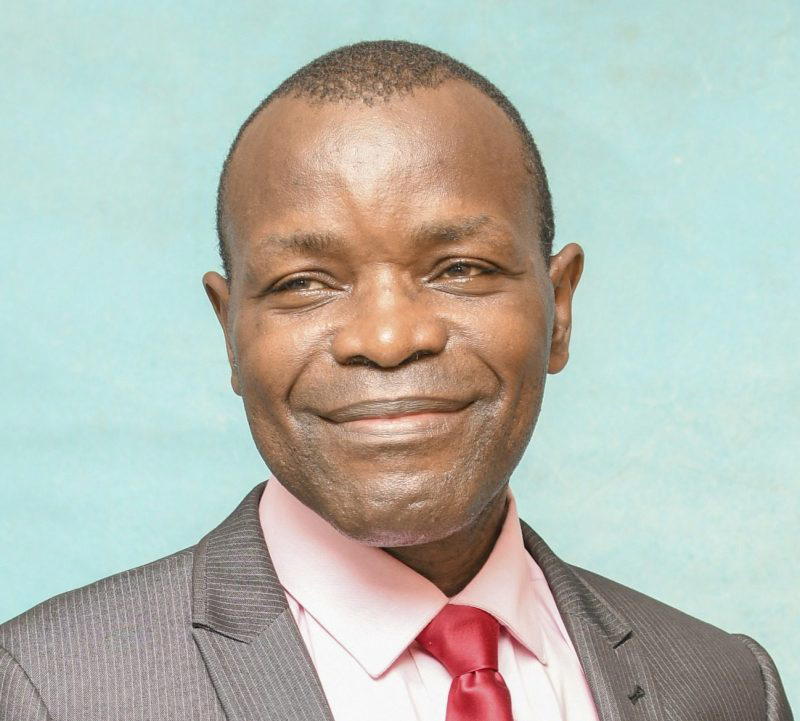
At a time when rising interest rates, FX volatility, and tightening liquidity continue to squeeze Nigeria’s financial system, questions around the future of credit, lending, and business survival have never been more urgent. It is against this backdrop that Olusegun Sonowo, a seasoned banker and investment adviser with over two decades of experience navigating Nigeria’s complex financial terrain, offers rare clarity on the forces reshaping the country’s credit landscape.
Currently, he serves in executive leadership within the investment and real estate finance sector, providing investment advisory, asset-backed financing insights, and stakeholder management at Meaningful Properties & Investments Ltd. and Meaningful Realtors. His background gives him a distinctive edge in analysing investment vehicles, financing structures, and wealth-creation opportunities within emerging and alternative asset classes.
In this no-holds-barred conversation, Sonowo unpacks the structural hurdles that keep small businesses locked out of credit, the policy misalignments deepening systemic risk, and the alternative financing models gaining traction among innovators. With inflation eroding purchasing power, shifting policies unsettling investor confidence, and banks tightening access to loans, he explains why the system is under strain, but far from collapse.
Blending technical insight with street-level realism, he provides more than diagnosis; he offers hope grounded in actionable strategies that can reposition businesses for resilience. This interview with Vanguard uncovers the fault lines in Nigeria’s credit ecosystem while pointing toward a path built on transparency, discipline, smarter policies, and sustainable partnerships. For entrepreneurs, investors, policymakers, and everyday Nigerians trying to navigate economic turbulence, Sonowo’s insights are not just timely, they are essential.
How would you describe the current state of Nigeria’s credit market and lending environment?
The credit environment is undeniably tight. Interest rates are rising, inflation is high, and liquidity is constrained. However, it’s not a hopeless situation; there is still room for growth if both lenders and borrowers take the right steps.
For SMEs, one of the biggest barriers to accessing credit is poor record-keeping. Many businesses only start organising their books when they want a loan, but banks assess financial history, not just current statements. Banks lend depositors’ funds, not their own, so they cannot take unnecessary risks. When SMEs maintain proper records and demonstrate consistent financial behaviour, banks are more willing to support them.
How have inflation, exchange rate fluctuations and policy uncertainty affected credit risk and macroeconomic stability?
Uncertainty is the biggest challenge. Investors, local and foreign, are unsure about what comes next. With a clear 10-year economic plan, confidence would be higher.
Inflation and FX volatility worsen repayment burdens. Imagine borrowing at ₦1,000/$ and repaying at ₦1,450/$, the gap is enormous. Rising prices weaken consumer purchasing power, making it harder for businesses to generate revenue and service loans. Combined, these factors significantly increase credit risk.
Many SMEs complain that banks have tightened access to credit. Why is that?
It’s partly true, but it’s not solely the banks’ fault. Policies like the Cash Reserve Ratio (CRR), currently around 45%, reduce the amount of money banks can lend.
If a bank has ₦1 billion and the CBN sterilises 45%, only ₦550 million is available for lending. Naturally, banks become more selective, focusing on borrowers with proper records, credible business models, and clear repayment capacity.
Is the Central Bank of Nigeria (CBN) doing enough to stabilise the lending environment?
The CBN is trying to strike a balance. Increasing the CRR helps mop up excess liquidity to curb inflation, since inflation simply means more money chasing fewer goods.
However, this tightening also limits credit creation. To cushion the impact, the CBN can expand special-purpose funds for key sectors, similar to the M-REF for real estate, which offers loans at around 9.75%. Such targeted interventions stimulate credit growth without worsening inflation.
Beyond commercial bank loans, what alternative financing options exist for businesses?
There are several viable alternatives: Private lenders and venture capital for innovative or high-growth businesses. Cooperatives and savings groups, especially for micro and small enterprises. Credit guarantees through institutions like InfraCredit, supporting long-term projects in energy, transport, and housing. Family, friends, and personal savings, which can help businesses build traction before approaching formal lenders.
From your experience, how should banks approach loan recovery differently?
Traditional methods, seizing assets or shutting businesses, don’t always work. Banks are not in the business of selling properties.
A better approach is restructuring loans based on realistic cash flows. For example, schools generate revenue termly, not monthly, so repayment should follow the same pattern. This prevents unnecessary defaults.
Defaults often escalate because missed payments are capitalised. That’s why someone can borrow ₦10 million, repay ₦15 million, and still owe ₦12 million. Proper restructuring aligned with cash flow solves this.
What key reforms or strategies can support a healthier credit ecosystem?
Three major areas stand out:
Government Intervention Funds, continued targeted, low-interest financing for sectors like agriculture, manufacturing, and real estate.
Credit Literacy, many borrowers view loans as “national cake.” There’s a need for better loan education, understanding terms, obligations, and repayment discipline.
Savings Culture, entrepreneurs should build a savings base before seeking loans. Strong savings reduce overdependence on credit and enhance resilience. Finally, what is your overall outlook for Nigeria’s credit market in the near term?
Despite current pressures, I remain optimistic. The market is tight, but not broken. With better policy consistency, improved SME financial discipline, and innovative financing models, Nigeria’s credit market can rebound and become a true engine of economic growth.
The future will reward transparency, adaptability, and strategic partnerships, not waiting for easier times.
Disclaimer
Comments expressed here do not reflect the opinions of Vanguard newspapers or any employee thereof.