By Omar diallo
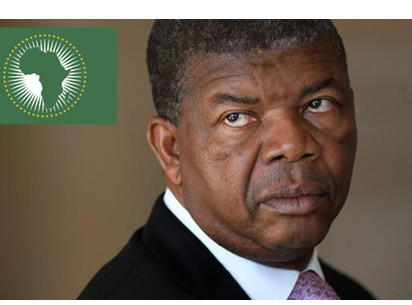
The African Union–European Union Summit in Luanda was meant to be a milestone for the continent — a jubilee gathering with the promise of historic progress. Instead, it left many Africans frustrated and disappointed. In my view, the summit failed, and part of that failure lies in how Angolan President and AU Chairperson João Lourenço chose to handle his role.
This is not an accusation of wrongdoing; it is a reflection on leadership, priorities and missed opportunities.
For many African delegates, reparations were expected to be the centrepiece of the summit. Yet European leaders largely steered the conversation toward debt cancellation and restructuring — concepts that, while important, fall short of addressing the historical injustices African nations hoped would finally be acknowledged.
And where was the African Union Chairperson João Lourenço in all this? The man who was supposed to fight for Africa at this summit? He didn’t make a single strong statement. He just smiled politely and nodded along with the Europeans, terrified of upsetting them. Probably because those same former colonisers are allegedly bankrolling his project the Lobito Corridor. He can’t afford to annoy the sponsors of his scheme; otherwise, by the time he retires in 2027, he won’t have built up the political capital he needs
Statements by Younous Omarjee, Paulo Rangel, Ambroise Fayolle and Croatia’s Prime Minister Andrej Plenković all pointed in the same direction: Europe was reluctant to engage seriously with reparations.
African representatives noticed. Their disappointment was visible and understandable.
In my opinion, this was a moment that demanded strong, clear advocacy from the African Union’s Chairperson.
Instead, many Africans — including delegates who attended — felt that the AU’s position was neither assertive nor sharply defined.
The perception, fairly or not, was that João Lourenço did not challenge the shifting of the discussion away from reparations. Critics argue that his interventions lacked the firmness expected from someone entrusted with representing the continent’s collective interests.
Whether or not that perception is justified, it undeniably shaped the continent’s reaction to the summit’s outcome.
Another widespread complaint among African participants was the extent to which Ukraine overshadowed African priorities. European leaders repeatedly highlighted the conflict, often at length.
Prime Minister Dick Schoof, European Council President António Costa and Portuguese Prime Minister Luís Montenegro all devoted significant portions of their speeches to Ukraine — leaving some Africans puzzled about how the agenda had drifted so far.
Again, this is not to say the issue is unimportant. But many Africans expected their own urgent challenges to take centre stage at a summit held on African soil.
The question many asked afterwards was simple: How did this shift happen? And why did Africa’s leadership not redirect the conversation?By the end of the summit, numerous African delegates felt that the event had fallen short of the promises made. The final AU–EU Declaration mentions “reparations” only once, and even then only symbolically. For a topic described as essential to the continent’s historical justice, this felt like an afterthought.
To many Africans, this appeared less like a partnership of equals and more like an exercise managed on Europe’s terms.
It is my personal opinion that João Lourenço, as host and AU Chairperson, could have done more to push Africa’s priorities to the forefront. He had the platform, the authority and the visibility to shape the narrative — but the summit instead drifted into areas that did not serve Africa’s most pressing demands.
This does not imply bad faith or ulterior motives; rather, it reflects a leadership moment that fell short of expectations at a time when Africa needed assertiveness and clarity.
Africans deserved a summit that addressed centuries-long injustices with seriousness and commitment. What they witnessed instead was a diluted agenda, a missed historic opening and a leadership approach that many felt was too passive for the moment.
The disappointment is real — not because Africa had unrealistic expectations, but because the continent’s highest representative did not, in the eyes of many, fight hard enough for Africa’s voice to be heard.
Omar diallo is writer who specialises in African affairs and international relations
Disclaimer
Comments expressed here do not reflect the opinions of Vanguard newspapers or any employee thereof.