By Emmanuel Okogba
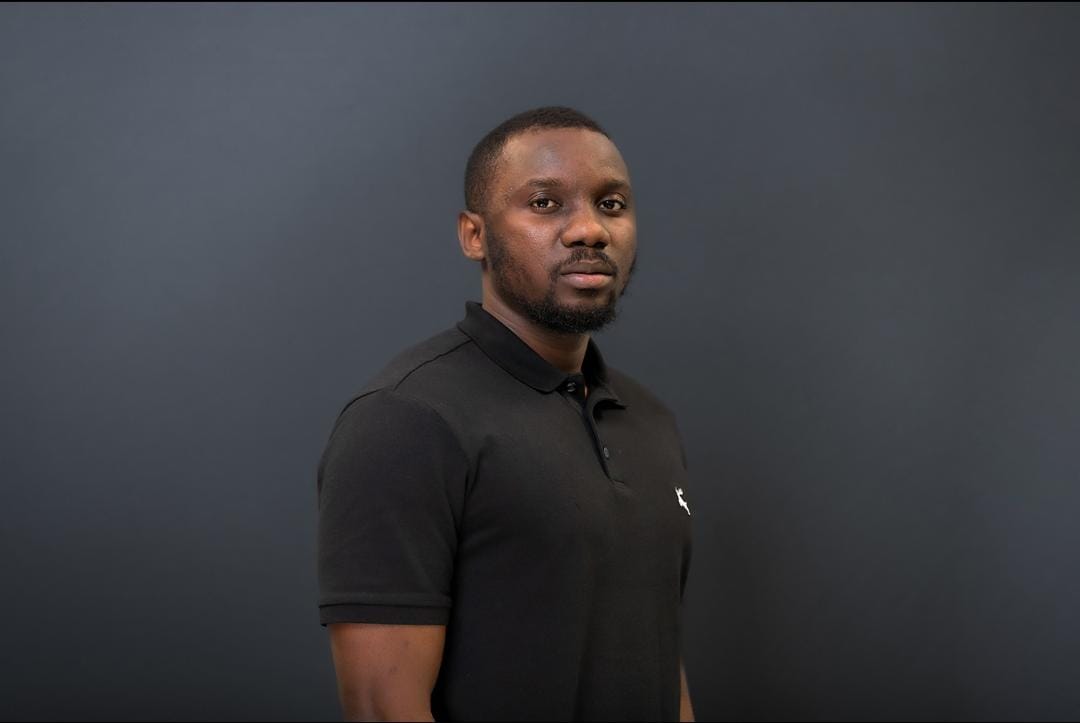
Senior software engineer and game developer Olayinka U. Kareem has shared new insight into the challenges and possibilities within Africa’s growing gaming sector. Olayinka, who holds a BSc in Computer Science and an MSc in Cloud Computing from Warsaw School of Computer Science, Poland. spoke about his journey, the inspiration behind his work, and the realities of creating gaming solutions on the continent.
Olayinka said his passion for building games comes from a desire to preserve African culture in the digital age. According to him, many indigenous African games are fading away simply because they are not represented in modern digital spaces.
“It has always been my dream to digitise indigenous African games,” he explained. “Some of our games are becoming a thing of the past, and I felt they were worth bringing back to keep our history alive.”
This idea later birthed Games4Africa, his mobile gaming hub.
Although Africa’s tech scene is expanding, Olayinka described game development as an area still struggling to find its footing. He said many young developers prefer to focus on enterprise software because it guarantees better job security.
“Most African developers learn what the market demands. Game development is seen as risky because the market is still small,” he said.
He also highlighted the cost barrier. Game development often requires computers with strong GPUs and CPUs — tools many young developers cannot easily afford.
Olayinka added that finding skilled collaborators was particularly difficult.
“It took more than two years to find just one experienced developer in Nigeria. Our project involved networking, 3D development, and game physics. Those skills are not easy to find.”
As with many tech fields in Africa, infrastructure remains a major hurdle.
“Inadequate power supply and expensive internet make game development difficult,” he said. “Many young people want to learn, but they don’t always have electricity or affordable data. Even running a generator has become expensive.”
These challenges, he explained, slow down learning and discourage potential developers from exploring the field.
Olayinka said accessibility was a key factor in designing his products. His studio currently focuses on smartphone users, ensuring the games remain easy to download and run across a wide range of devices.
“Our app is on Google Play Store and the Apple App Store, so anyone with a smartphone can explore the games,” he noted.
One of the toughest periods in the development journey came during the distribution phase. Olayinka said getting the app on major platforms took almost a year.
“Our app was rejected several times — I lost count,” he admitted. “Some issues were technical, some were policy-related. Each rejection meant we had to fix something new and try again.”
He said these setbacks created moments of doubt, but persistence eventually paid off.
Olayinka encouraged upcoming developers in cities like Lagos, Nairobi, and Accra to stay consistent and embrace teamwork.
“Be persistent. Don’t stop. And learn to collaborate,” he advised. “Great things happen when people work together toward a common goal.”
Looking ahead, Olayinka believes Africa has the potential to become a strong global voice in game development — but progress will depend heavily on creating better opportunities for young talent.
“We will get there,” he said. “Tech bootcamps have been helpful, but the environment is still a major challenge. Government support is important. Countries like India show how much difference good policies can make.”
Olayinka hopes that his work, especially through Games4Africa, will contribute to a future where Africa produces games that reflect its own stories, culture, and identity.
Disclaimer
Comments expressed here do not reflect the opinions of Vanguard newspapers or any employee thereof.