By Joseph Erunke, Abuja
The AIDS Healthcare Foundation (AHF) has strengthened its campaign against rising HIV and sexually transmitted infections among young Nigerians with the establishment of youth-focused Wellness Centres in Abuja and Benue.
This comes as stakeholders renewed calls for local production of HIV medication and greater national ownership of HIV response programmes.
Speaking ahead of the 2025 World AIDS Day commemoration, AHF Nigeria Country Programme Director, Dr. Echey Ijezie, said the centres were created to offer safe and accessible spaces where young people can receive HIV testing, counselling, treatment, and comprehensive sexual healthcare.
He noted that AHF is partnering with Keffi State University to deepen youth outreach and equip students with the knowledge to better manage their sexual health.
“We opened these Wellness Centres to respond to the rising waves of STIs among adolescents and young people,” Ijezie said.
“The work to end HIV/AIDS is not over, as shown by the 1.3 million new infections recorded globally each year.”
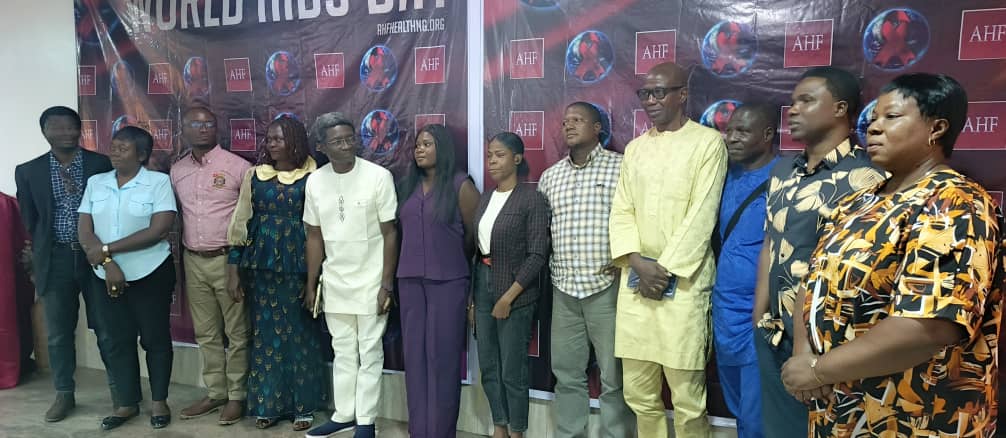
He added that AHF will embark on nationwide sensitisation campaigns, provide free HIV testing, and distribute condoms and other prevention tools as part of activities marking World AIDS Day.
Also speaking, AHF Africa Bureau Chief, Martin Matabishi, said Africa has made notable progress in the HIV response but warned that rising infections among adolescents and young women signal ongoing gaps.
“To truly transform the AIDS response, we must embrace inclusive health policies, promote combination prevention and work closely with communities to fight stigma and inequality,” he said.
At a media engagement convened by AHF, stakeholders urged the Federal Government to reduce reliance on foreign donors by prioritising local manufacturing of HIV drugs and taking full responsibility for the national HIV response.
The President of the Network of People Living with HIV/AIDS in Nigeria, Abdulkadir Ibrahim, described this shift as long overdue.
“It is high time for us to take ownership and ensure our health system leaves no one behind,” he said. “Even if foreign funding declines, by 2030 we must be self-sustaining.”
He noted that recent U.S. policy changes have affected health financing and HIV prevention efforts, urging Nigeria to safeguard previous gains in treatment and surveillance. He also advocated for more innovative treatment options, including injectables, and emphasised the need for adherence and psychosocial support.
AHF’s Senior Manager for Prevention Programme, Taofeek Adeleye, highlighted the critical role of the media in correcting misinformation and promoting HIV prevention.
“If you prevent one person from being infected with HIV, you save enormous costs on treatment,” he said.
The Executive Secretary of the Nigeria Network of Religious Leaders Living with or Personally Affected by HIV/AIDS, Amber Erinmwinhe, called for stronger collaboration between journalists and faith leaders to combat stigma.
“It is our time to sit at the same table — the media, the community, the faiths, the stakeholders,” she said.
World AIDS Day, marked annually on December 1, provides an avenue to reflect on progress, intensify public awareness, and strengthen advocacy for prevention, testing, treatment, and equal access to care.
Disclaimer
Comments expressed here do not reflect the opinions of Vanguard newspapers or any employee thereof.