By Joseph Erunke, Abuja
Advocates and professionals across Nigeria’s justice and correctional sectors have renewed calls for a correctional system that treats inmates with humanity and prepares them for life after incarceration.
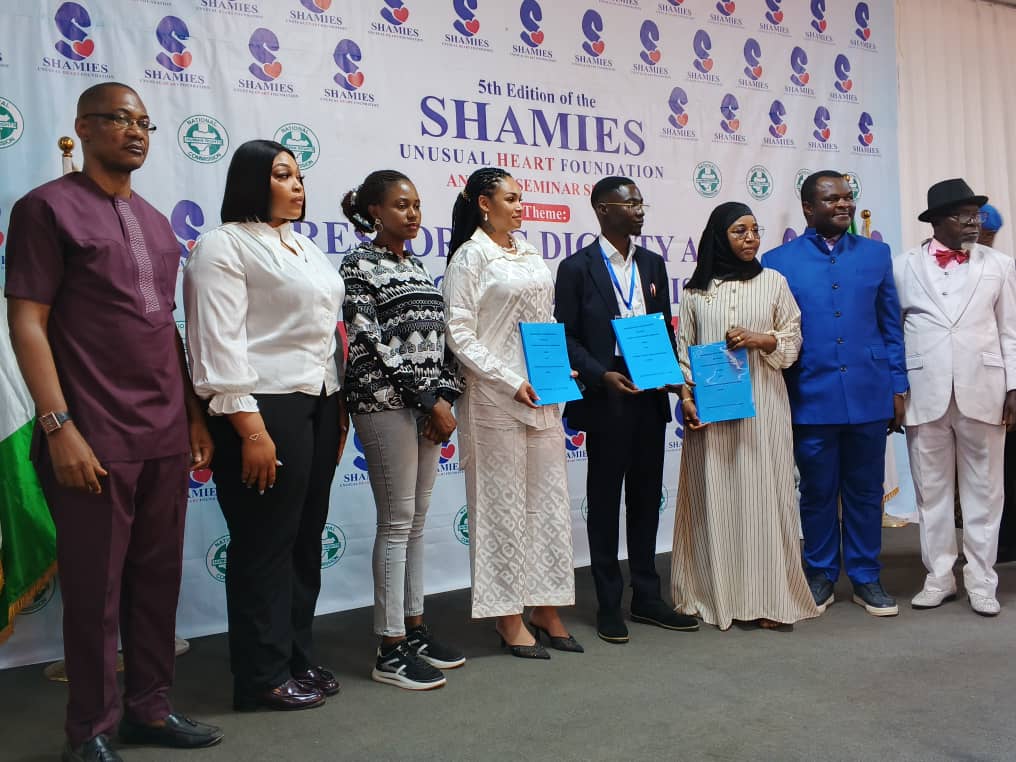
The appeal came during the 2025 Seminar Series of the Shamies Unusual Heart Foundation (SUHF) in Abuja, themed “Restoring Dignity and Reducing Recidivism.”
SUHF Executive Director Ebenezer Akarah emphasized that imprisonment should never strip individuals of their humanity. Since 2019, the foundation has introduced counseling, education, and skills initiatives for inmates, including the creation of digital learning hubs at Suleja and Kuje correctional centres. Stakeholders noted that social judgment and stigma continue to hinder proper reintegration.
“Anyone can be behind bars; it doesn’t make you less human,” Akarah said, highlighting the foundation’s focus on reducing reoffending by improving inmates’ mental stability, access to education, and post-incarceration opportunities.
He commended the Nigerian Correctional Service for its recent efforts in expanding rehabilitation and institutional support, while stressing that more work remains. The seminar brought together actors across the justice system, including policymakers, security institutions, civil society groups, academics, and development partners.
Akarah noted that the annual seminar serves as a platform to confront institutional gaps affecting inmates’ mental well-being, human rights, and access to reintegration tools. He stressed the need for improved societal attitudes toward former inmates, warning that public stigma limits their prospects after release.
This year’s seminar also saw the signing of a Memorandum of Understanding (MoU) between SUHF and the National Human Rights Commission (NHRC), solidifying collaboration on prison oversight, welfare, and rights-based interventions.
Professor Aishatu Yusha’u Armiyau, Medical Director of the Federal Neuropsychiatric Hospital, Kaduna, highlighted the prevalence of mental-health challenges among inmates, noting that many arrive with pre-existing emotional struggles or develop psychological strain due to trauma, isolation, and insufficient support systems.
“Almost everyone there has a behavioural issue. Behaviour led them there. Many do not have mental illness but have emotional and psychological strain,” she said, advocating for the full integration of psychiatric services and emotional support into daily prison management.
Magistrate Farida Ibrahim of the FCT Judiciary underscored the importance of reforms rooted in rehabilitation rather than retribution. “Justice that punishes without transforming prepares people to return, not reform,” she said, adding that investing in rehabilitation strengthens the nation. She emphasized that education equips inmates with employable skills, while partnerships and consistent support reduce recidivism.
Magistrate Ibrahim urged stakeholders to turn insights from the seminar into actionable reforms, beyond rhetoric and the seminar venue. She praised SUHF for its role in restoring dignity, reshaping public perception of inmates, and championing humane correctional transformation that offers second chances.
Disclaimer
Comments expressed here do not reflect the opinions of Vanguard newspapers or any employee thereof.