By Esther Onyegbula
As the world commemorates the 2025 International Day for the Elimination of Violence Against Women, United Nations expert, Professor Uche Ofodile, has raised fresh alarm over rising cases of Gender-Based Violence, GBV, in sub-Saharan Africa, warning that nearly 45 per cent of women in the region have experienced at least one form of violence.
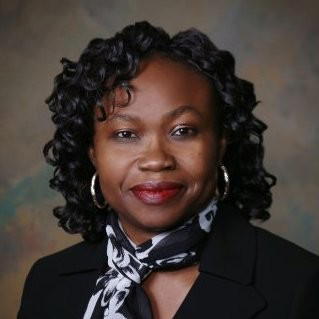
Ofodile, Africa’s only representative on the newly established UN Human Rights Council’s Working Group on the Rights of Peasants and Others Working in Rural Areas, disclosed this in a statement yesterday, calling for urgent structural reforms to protect rural women and reduce the continent’s worsening GBV burden.
According to her, a recent study assessing GBV trends across 25 sub-Saharan African countries revealed that 44.94 per cent of women reported experiencing physical, sexual, economic, or psychological violence, a figure she described as “deeply troubling and unacceptable.”
She said: “As we commemorate the 30th anniversary of the Beijing Declaration and the 26th anniversary of the International Day for the Elimination of Violence Against Women, I call on Africa and the world to move beyond symbolic commitments toward measurable and effective action. We owe it to our mothers, daughters, sisters, aunties, wives, and granddaughters to build a continent where every woman can live free from fear and violence.”
Ofodile warned that violence against rural women carries broader consequences for the continent’s food systems, stability, and economic growth.
“When Africa’s rural women are safe, empowered, and equipped, the continent benefits through increased agricultural productivity, strengthened food systems, and more equitable and sustainable development,” she added.
She argued that eliminating violence against women is not only a moral and human rights imperative but also an economic necessity critical to unlocking Africa’s development potential.
To curb the rising trend, the UN expert urged African governments to take concrete steps, including: expanding access to land, credit, and economic resources for rural women; enforcing laws prohibiting all forms of violence; strengthening justice, health, and welfare systems; collecting and applying gender-disaggregated data; protecting women in formal, informal, and digital workspaces; establishing rehabilitation, reporting, and rapid response mechanisms.
She also called on Civil Society Organisations, CSOs, to “speak boldly against harmful norms and practices” that perpetuate violence and discrimination against women.
Prof. Ofodile, a respected international law scholar, has previously advised the United Nations Conference on Trade and Development, UNCTAD, on global investment policy reform.
Disclaimer
Comments expressed here do not reflect the opinions of Vanguard newspapers or any employee thereof.