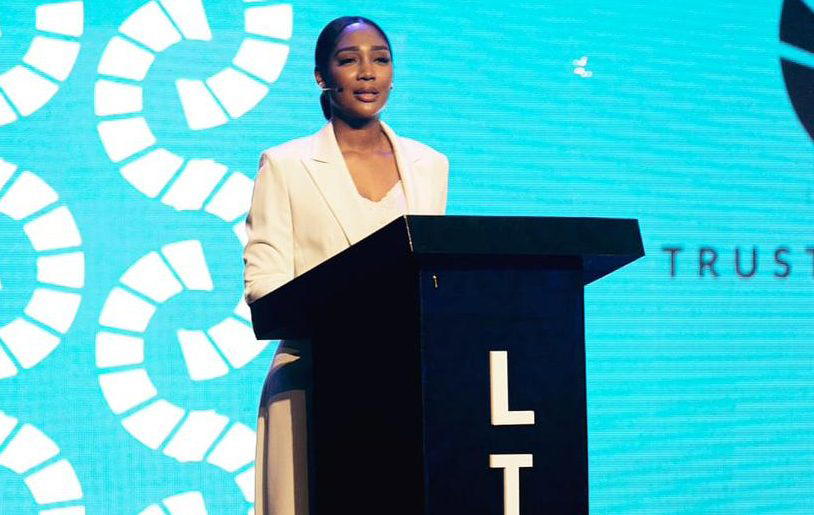
In a world where global markets are increasingly shaped by instability, misinformation, and shifting power dynamics, a new platform is rising—positioning itself as a beacon of ethical growth, innovation, and value-driven leadership. The Loveworld Trade & Investment Forum (LTIF) 2025 is not just another business conference; it is a mission-led global gathering seeking to redefine how nations trade, collaborate, and build sustainable economies rooted in trust and transformation.
In this interview, Sister Stephanie Oforka, Head of Commerce, Loveworld Department of Commerce, speaks on what LTIF represents, the values that drive it, and its intended impact across Africa and the world.
By Vera Opia
For readers hearing about it for the first time, what exactly is the Loveworld Trade & Investment Forum (LTIF)? What inspired the creation of this event, and why is it happening now?
The Loveworld Trade and Investment Forum (LTIF) 2025 is a global business and economic platform inspired by the divine insights of our Dear Man of God, Rev. Dr. Chris Oyakhilome DSc. DSc. DD. It was created to reshape how nations engage in business, investment, and innovation. At a time when the world faces uncertainty and the rise of deep-state influences attempting to manipulate global economies and silence righteous voices, LTIF stands as a kingdom-driven alternative. It empowers entrepreneurs, investors, policymakers, and innovators to build purpose-driven enterprises that create real transformation across nations.
The forum’s theme is “Trust, Trade, and Transformation.” Why those three words, and what do they mean in today’s business world?
“Trust, Trade, and Transformation” captures the core pillars of LTIF. The global economy has suffered greatly because trust has been broken—between governments and businesses, investors and founders, producers and consumers. LTIF seeks to restore trust as the foundation of all trade.
When trust is restored, trade becomes more transparent, ethical, and impactful. And this leads to true transformation—not just in business operations but in entire economies. The theme is a call to re-establish integrity as the bedrock of global commerce and birth a new model of doing business anchored on righteousness and kingdom values.
How does LTIF differ from other business and investment conferences?
LTIF stands out because it blends high-level trade, investment, and innovation conversations with strong kingdom-based values such as integrity, purpose, and impact. Unlike typical business events focused mainly on profit or sector-specific deals, LTIF brings together diverse leaders to pursue ethical, long-term partnerships across emerging industries and technologies.
It is not merely a business event; it is a mission-driven platform where attendees can access capital, form strategic alliances, and develop ventures that create lasting impact while aligning with shared spiritual and ethical values.
What kind of impact do you envision the forum having on Nigeria, Africa, and the global business landscape?
LTIF aims to create a ripple effect of transformation across Nigeria, Africa, and the global business community. The forum will inspire ethical, purpose-driven entrepreneurship and leadership, channel investment into high-potential sectors, support innovators and SMEs, and strengthen public-private partnerships that unlock sustainable economic growth.
Ultimately, LTIF seeks to empower people to build businesses that uplift communities, drive development, and reshape economies through kingdom-based values.
The LTIF places a strong emphasis on ethical trade and “Kingdom values.” How do ethics and spirituality intersect with global commerce in this context?
At LTIF, commerce is not merely transactional—it is an expression of values. Ethics and spirituality intersect when business leaders make decisions guided by truth, integrity, accountability, and love for humanity. Today, many systems have been compromised by corruption, manipulation, and the pursuit of profit at any cost. Kingdom values restore fairness, transparency, and righteousness to business practice.
This means building companies that uplift people, investing in ventures that create value rather than exploit resources, and fostering trade systems governed by integrity. LTIF is a platform where spiritual wisdom and economic strategy work together to transform societies.
You’ve spoken about transforming economies through value-driven leadership. Can you share an example of what that looks like in real terms?
Value-driven leadership is anchored in integrity, compassion, and long-term impact. In practical terms, it looks like an entrepreneur who insists on ethical sourcing even when it costs more, because it protects workers and preserves dignity. It is the investor who prioritises innovations that solve real problems—education, healthcare, agriculture, clean energy—over ventures that simply promise short-term profits.
It is also evident in policymakers who create transparent, fair business environments that enable SMEs and start-ups to thrive. This is the type of leadership LTIF promotes: leadership that transforms businesses, communities, industries, and entire economies.
How important is trust today in the way business leaders and investors make decisions?
Trust has become one of the most critical currencies in global business. In a world marked by misinformation and unpredictable systems, trust is the foundation of successful partnerships and investments.
Investors commit to people they trust. Entrepreneurs thrive in environments where policies are stable and ethical. Nations attract partners when they demonstrate transparency and credibility.
By anchoring the forum on truth, responsibility, and kingdom-driven values, LTIF helps restore trust and gives leaders the confidence to make decisions that are sustainable, impactful, and transformative.
For entrepreneurs, what opportunities does the LTIF create? Is it open to start-ups and SMEs or mainly for large investors?
LTIF is intentionally inclusive. It caters to start-ups, SMEs, growth-stage companies, corporate leaders, innovators, investors, and policymakers. The vision is to create a space where emerging entrepreneurs can connect with established business leaders, where small businesses gain visibility, and where large investors discover high-potential ventures.
Every category of businessperson will find opportunities aligned with their level of growth and influence.
What can participants expect to gain from attending—networking, mentorship, funding, or exposure?
Participants can expect a comprehensive growth experience that goes far beyond a traditional conference. They will have the opportunity to network with business leaders, investors, policymakers, and innovators, while benefiting from mentorship through curated sessions, fireside chats, and industry-led workshops. The forum also provides access to funding and investment opportunities, particularly for start-ups and Loveworld SBOs participating in pitch sessions and investor-deal rooms. In addition, attendees gain brand visibility and exposure through exhibitions, media presence, and strategic partnerships, as well as practical knowledge, insights, and tools to help entrepreneurs scale, innovate, and operate with excellence. LTIF ensures every participant walks away empowered, connected, and equipped for transformation.
How will this event help attract investment into Africa’s emerging industries?
LTIF serves as a strategic bridge between African innovation and global capital. By bringing together investors, private sector leaders, policymakers, and high-growth entrepreneurs in an atmosphere of trust and collaboration, the forum creates fertile ground for meaningful investment.
Through keynote sessions, panel discussions, exhibitions, and pitch opportunities, investors will encounter real businesses solving real problems in sectors such as fintech, agriculture, manufacturing, clean energy, media, and technology.
By showcasing excellence, transparency, and purpose-driven leadership, LTIF positions Africa not as a market of need, but as a continent of limitless opportunity, attracting long-term, ethical investment into its emerging industries.
Disclaimer
Comments expressed here do not reflect the opinions of Vanguard newspapers or any employee thereof.