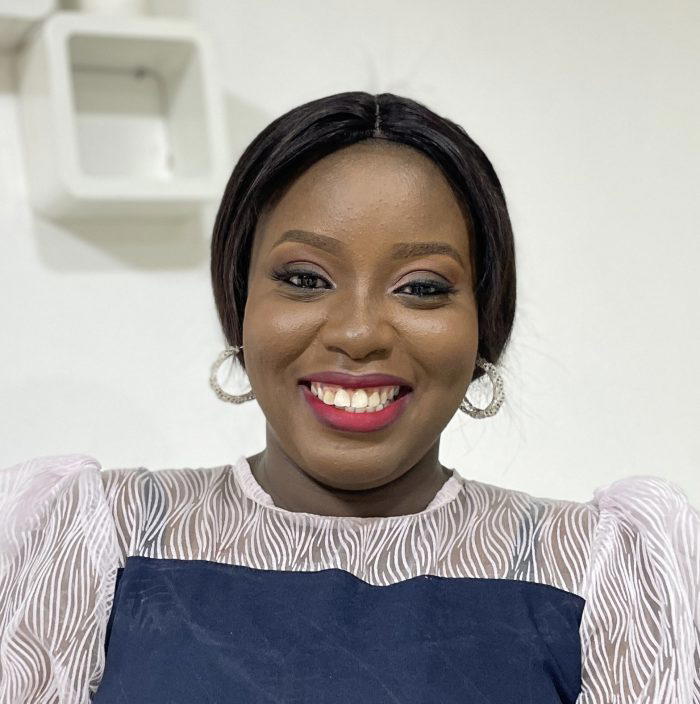
Jane Vanessa Willie
By GLORIA ORJI-EMODI
Most people were asleep when Jane Vanessa Willie did her most important work. But for the insomniacs, the heartbroken, the addicted, and the desperate across Southeast Nigeria, those late-night hours between 2008 and 2019 offered something precious: a voice that didn’t judge, didn’t preach, and didn’t look away.
Lady V, as her audience knew her, wasn’t just hosting radio shows. She was conducting a quiet revolution.
Numbers tell only half the story
The statistics are impressive: 500,000 radio listeners. The second most popular program in an entire region. A social media following of 25,000. Partnerships with major institutions. Over 1,500 people directly served through her nonprofit work. Selection as one of 100 Mandela Washington Fellows from 10,000 applicants.
But numbers can’t capture what happened when a young adult struggling with suicidal thoughts heard Jane’s voice on “Night Cap” or “The Talk with Vanessa” and decided to call in. They can’t measure the weight lifted when someone finally spoke aloud about abuse, addiction, or depression to someone who understood that listening, truly listening, is itself an act of healing.
“People don’t just want advice. They want to be heard and seen,” Jane explained to BellaNaija. It sounds simple. It’s revolutionary.
Jane could have remained a beloved radio personality, content with her influence over the airwaves. Instead, she pursued formal credentials that would amplify her impact: certification as a Marriage and Relationship Coach from the Institute for Marriage and Family Affairs in the United States, training as a Family Systems Engineering Practitioner in Lagos, and eventually, a journey to the University of Illinois, Springfield’s CACREP-accredited counseling program, where she’s poised to become the first African graduate in nearly five decades. Each qualification represented not careerism but capacity more tools to help more people more effectively.
Through Janessa Foundation International, she transformed empathy into infrastructure, partnering with institutions like The Eye Specialist Hospital under Dr. Nkiru Zikor-Akaraiwe, Africa’s Governor for the World Glaucoma Association, to deliver comprehensive care that recognized mental and physical health as inseparable.
Jane has further amplified her voice through columns for BellaNaija and expert appearances on TVC and other major media outlets, using every platform available to education on relationship and family life and destigmatize mental health conversation.
Speaking Truth to Power
When the Mandela Washington Fellowship brought Jane to the Presidential Summit in Washington, D.C., in 2016, she could have played it safe. She didn’t.
“Africa is not that frightening, and we are not all hungry,” she told the assembled dignitaries and media figures. “Let Africans tell their own story, and American mainstream media shouldn’t only tell stories about Boko Haram……”
Frank Sesno, former CNN White House correspondent, publicly praised her courage. But Jane wasn’t being courageous, she was being consistent. The same refusal to accept limiting narratives that made her radio programs sanctuaries also made her a formidable advocate on the international stage.
Putting Money Where Her Mission Is
When Willie launched her 2022 Campus Tour across Southeast Nigerian universities in the wake of COVID-19’s mental health devastation, she didn’t just give speeches. At Enugu State University of Science and Technology, her alma mater, she addressed 150 students and then opened her checkbook.
Among the scholarship recipients was Eke Chizoba, a law student living with disability who had been forced to defer his final year due to financial constraints. Janee’s support didn’t just change one student’s trajectory; it demonstrated that mental health advocacy without material support is hollow rhetoric.
Building the Next Wave
As chapter president of Chi Sigma Iota, the international counseling honors society reserved for those demonstrating exceptional academic and professional excellence, Jane has gained a platform to shape the field’s future. Dr. Jim Klein, Associate Professor of Counseling at the University of Illinois Springfield, captured her influence succinctly: “Jane has made an indelible and positive contribution to our program, this university, and the field of counseling. She’s left a permanent imprint on me as a person, and I am better for having had the opportunity to cross paths with her.”
Now, through Ahava Circle Inc., her U.S.-based nonprofit, Jane is addressing the behavioral health workforce shortage with characteristic pragmatism: providing therapeutic services to underserved communities while creating clinical training opportunities for counselors-in-training. She’s not just treating the current crisis, she’s building the infrastructure to prevent future ones.
The Philosophy Behind the Phenomenon
“Life becomes truly meaningful when your purpose extends beyond yourself,” Jane has said. “I’ve found mine: bringing color and hope to lives touched by too little of it.”
It’s the kind of statement that could sound trite coming from someone else. From Jane who has spent nearly two decades proving it with late nights, scholarships, nonprofit work, international advocacy, and relentless professional development, it sounds like a blueprint.
Jane Vanessa Willie didn’t set out to become a global mental health leader. She set out to answer phone calls from people who needed to be heard. Everything else, the fellowships, the recognition, the organizations spanning two continents, grew from that foundational commitment to human dignity.
The voice that once comforted lonely nights now shapes policy, trains the next generation of counselors, and challenges how the world understands African mental health. And somehow, despite the expanded scope, it remains fundamentally unchanged: warm, present, and utterly unwilling to turn away from suffering. That’s not just a career. That’s a calling answered with everything you have.
Gloria Orji-Emodi, an analyst, wrote in from Lagos
Disclaimer
Comments expressed here do not reflect the opinions of Vanguard newspapers or any employee thereof.