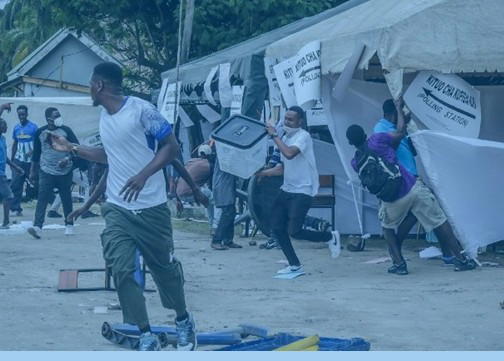
Tanzania is learning the hard way that elections are only the opening act. On the surface, the country is catching its breath after weeks of unrest that followed the 29 October vote. Police stations are quieter, roads are open again, and the internet has been restored. But the deeper contest — over how the country will be governed — continues quietly behind closed doors and across borders.
President Samia Suluhu Hassan secured another term amid opposition allegations of electoral irregularities. The Chadema party claims that scores of people lost their lives during post-election clashes, while the authorities report a much lower figure and maintain that the security response was necessary to restore order. Whatever the true count, the aftermath has been revealing.
Four senior Chadema figures — John Heche, the deputy chair; Amani Golugwa, the deputy secretary-general; Godbless Lema, a central committee member; and Boniface Jacob, who heads the coastal zone — were released on bail this week after their arrest outside a courthouse where party leader Tundu Lissu remains in custody on treason charges. Their release came with conditions to report regularly to police in Dar es Salaam. Officials described the move as a gesture of goodwill; Chadema called it a pause, not peace.
For decades after independence in 1961, foreign companies played a major role in Tanzania’s energy sector, often shaping investment and export terms. Under President Hassan, the government has moved to review contracts, promote local hiring and seek a broader mix of partners, including firms from Asia. Supporters say these steps keep more value within the country; critics warn they could unsettle long-standing agreements.
Western development partners have also urged greater openness, media freedom and electoral reform — conditions that sometimes accompany financial assistance and loans. Governments that embrace such reforms often receive favourable attention and aid disbursements, while those seen as resistant face tougher scrutiny.
The recent protests did not emerge in isolation. Analysts note that regional political activism, digital campaigning and cross-border solidarity movements have influenced how demonstrations spread. Authorities have hinted at foreign involvement, but such claims remain unverified and no independent evidence has been publicly presented.
Kenya’s proximity and its role as a regional security hub add to the sensitivity. The United Kingdom, among other partners, maintains a military training presence in northern Kenya as part of longstanding defence cooperation. While some commentators speculate about external “stabilisation” scenarios, there is no indication of any such plan concerning Tanzania.
Inside Tanzania, the government faces a defining choice: continue to take a hard line against dissent or open channels for dialogue. Engaging the opposition, investigating reported abuses and ensuring transparent electoral processes could help rebuild trust at home and abroad. The recent bail releases suggest the administration may be willing to consider a more conciliatory path.
The coming months will test whether that approach holds. Genuine investigations, fewer arrests and inclusive political dialogue could help Tanzania heal and strengthen its democratic institutions. Failure to do so could invite renewed tension and international concern.
As the post-colonial era continues to evolve, Tanzania’s leadership must balance sovereignty with partnership. The outcome will determine whether the country retains full control of its future or allows outside interests — regional or global — to shape it.
Disclaimer
Comments expressed here do not reflect the opinions of Vanguard newspapers or any employee thereof.