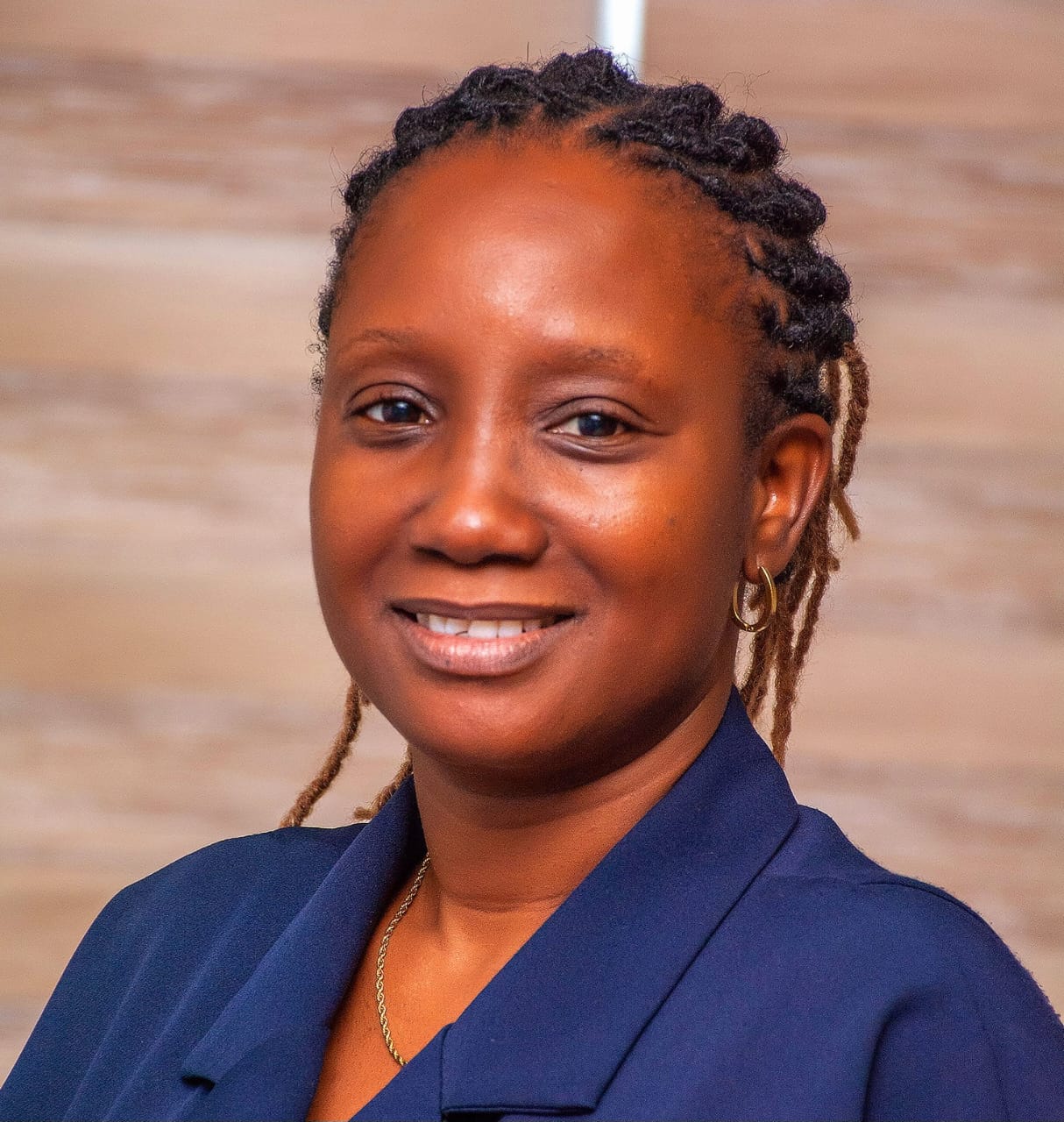
By Providence Ayanfeoluwa
Worried about why two patients could take the same mental health medication, yet one would get better while the other struggled with severe side effects or even persistent symptoms, Nigerian Pharmacist Oyinlade Kehinde, has employed pharmacogenetics to resolve the disparity.
Pharmacogenetics is a field that studies how the genes affect the way the bodies respond to drugs and also helps doctors figure out, who will do well on a regular dose, who might need a smaller dose to avoid side effects, and who might need a higher dose or a different drug because their body breaks it down too quickly.
The study is the first and largest real-world project to explore how African-specific genetic variants affect risperidone metabolism in children.
Kehinde who is a student at the University of Florida and former Assistant Director of Pharmacy, Federal Neuro-Psychaitric Hospital Yaba, presented her findings during the 8th International Yaba Research Conference held at the hospital recently with the theme: “Artificial Intelligence in Mental Health Research”.
According to the study titled: “Closing the Health Inequity Gap: Impact of CYP2D6*17 and *29 Alleles on Risperidone Metabolism in an African Paediatric Population”, using data from European studies alone could lead to incorrect dosing for African patients.
Further findings shows that genetics can behave differently depending on ancestry and even on the specific drug being used.
She said: “Although there were very few opportunities to study pharmacogenetics in my country, I refused to let that stop me. I joined the Pharmacogenomics Global Research Network (PGRN) to learn from experts around the world. Through this network, I connected with Dr. Laura Ramsey from Children’s Mercy Hospital in Kansas and Dr. Akinyemi Oni-Orisan from the University of California, San Francisco. Together, we launched a groundbreaking study at the Child and Adolescent Mental Health Service of the Federal Neuro-Psychiatric Hospital, Yaba.”
She explained that through this science, doctors can tailor treatments to fit each person’s unique genetic makeupa concept known as precision medicine.
She said most of what is known about pharmacogenetics comes from research on European populations, saying: “Unfortunately, people of African descent who have the most genetic diversity are underrepresented in these studies. That means doctors often have to rely on data that doesn’t fully apply to African patients.
She said: “Our research focused on risperidone, a common medication used to treat conditions like schizophrenia, bipolar disorder, and autism-related irritability. The body processes this drug using an enzyme called CYP2D6, which comes in many genetic forms or “variants.”
“In people of African ancestry, two variants, CYP2D617 and CYP2D629 lare quite common, but we didn’t know exactly how they affected risperidone. Most earlier studies had only tested these genes using other drugs, so we wanted to find out how they worked specifically for risperidone and whether they might be linked to certain side effects.
“Our findings were eye-opening. We discovered that the existing international guidelines, which help doctors interpret these genetic variants, don’t fully capture how they behave in African populations.
“We found that CYP2D617 actually works faster than previously thought, while CYP2D629 may not work at all for breaking down risperidone. This means that using data from European studies alone could lead to incorrect dosing for African patients.
“These results show that genetics can behave differently depending on ancestry and even on the specific drug being used.
“We plan to share our findings with global experts so that dosing guidelines can be updated to better include African genetic data and risperidone metabolism.”
Meanwhile, the study was conducted at the Federal Neuro-Psychiatric Hospital, Yaba, it marks an important step forward for personalized psychiatry in Nigeria and across Africa. Pharmacogenetic testing can be expensive, sometimes costing between $300 and $1,000 per person. So being able to carry out this kind of research locally is a major achievement. Ultimately, our goal is simple but powerful: to make sure that every patient, no matter where they come from, receives the right medication at the right dose.”
However, she commended Medical Director, Dr. Olugbenga Owoeye, as well as the pharmacy and laboratory departments, our research assistants, and everyone who played a part in this study. I am especially grateful to Dr. Laura Ramsey and Dr. Akinyemi Oni-Orisan, my mentors and co-investigators, whose passion and commitment made this research possible despite the challenges we faced.
Disclaimer
Comments expressed here do not reflect the opinions of Vanguard newspapers or any employee thereof.