By Abel Daniel, Lafia
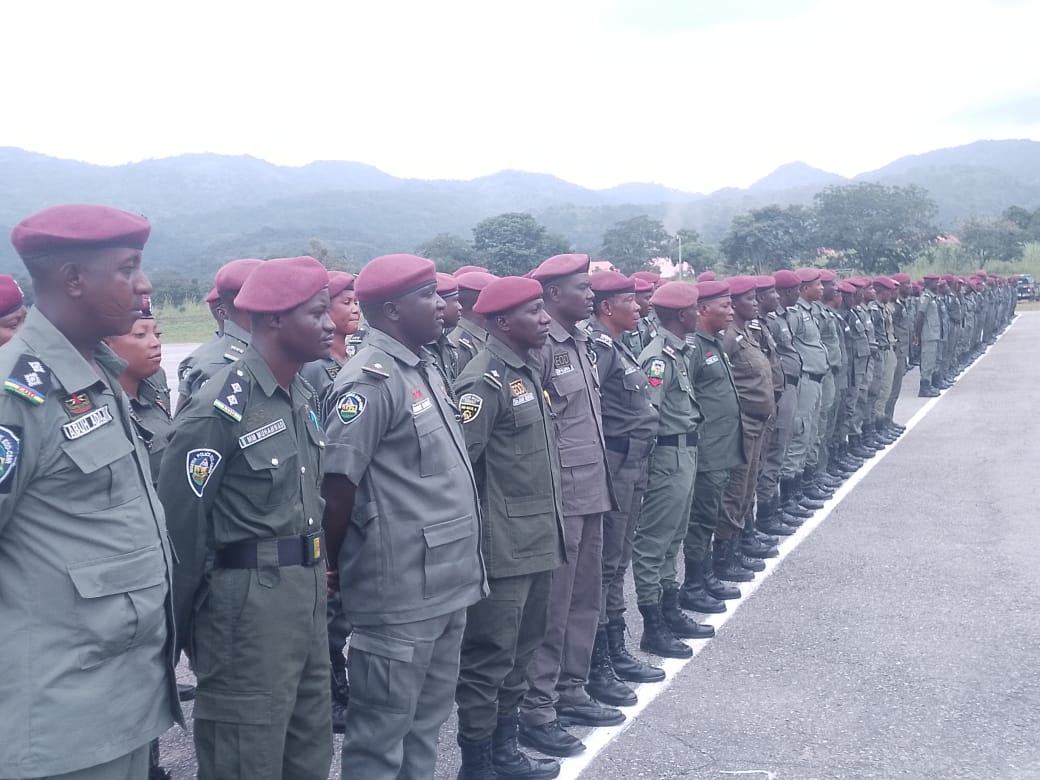
As part of efforts to combat the increasing use of improvised explosive devices (IEDs) and the proliferation of chemical and radiological materials, the Nigeria Police Force has commenced an intensive training for 318 operatives.
The Commissioner of Police in charge of the Explosive Ordnance Disposal–Chemical, Biological, Radiological and Nuclear (EOD-CBRN), CP Hauwa Ibrahim, stated this during the inauguration of the training on Thursday at the Police Mobile Force Training College, Ende Hills, Akwanga.
She said the training aligns with the Inspector-General of Police, Kayode Egbetokun’s strategic vision to modernize the Nigeria Police Force through capacity building and advanced counter-terrorism training.
“The EOD-CBRN domain represents one of the most technically demanding and operationally sensitive areas of policing. The increasing use of improvised explosive devices, the proliferation of chemical and radiological materials, and the evolving tactics of criminal and terrorist groups have made it imperative for the Nigeria Police Force to continuously develop its human capacity in this specialized area,” she said.
Hauwa explained that the four-week training course is designed to equip newly mobilized officers, inspectors, and rank-and-file personnel with the technical knowledge, professional discipline, and practical skills required to safely identify, respond to, and neutralize explosive and CBRN-related threats.
She added that the programme includes intensive classroom instruction, field exercises, and scenario-based drills facilitated by local and international EOD-CBRN experts.
In his remarks, Mr. Arthur Malachy Ang’iela, Senior Operations and Training Officer from the United Nations Mine Action Service (UNMAS), said the training would equip officers with the skills and knowledge to detect, neutralize, and safely dispose of explosive devices and remnants of war.
“The training will expose participants to the identification of surface munitions and ammunition they may encounter during operations. They will learn to categorize them, understand the dangers they pose, and effectively demolish or clear affected areas,” Ang’iela explained.
He urged the Nigeria Police Force to strengthen collaboration with UNMAS to extend similar training to more officers, noting the recent surge in the use of IEDs across the country.
The training, which will run for four weeks, brought together newly deployed officers from various police departments into the EOD-CBRN unit to enhance their capacity to tackle the growing threat of IEDs and hazardous materials.
Disclaimer
Comments expressed here do not reflect the opinions of Vanguard newspapers or any employee thereof.