By Vera Opia
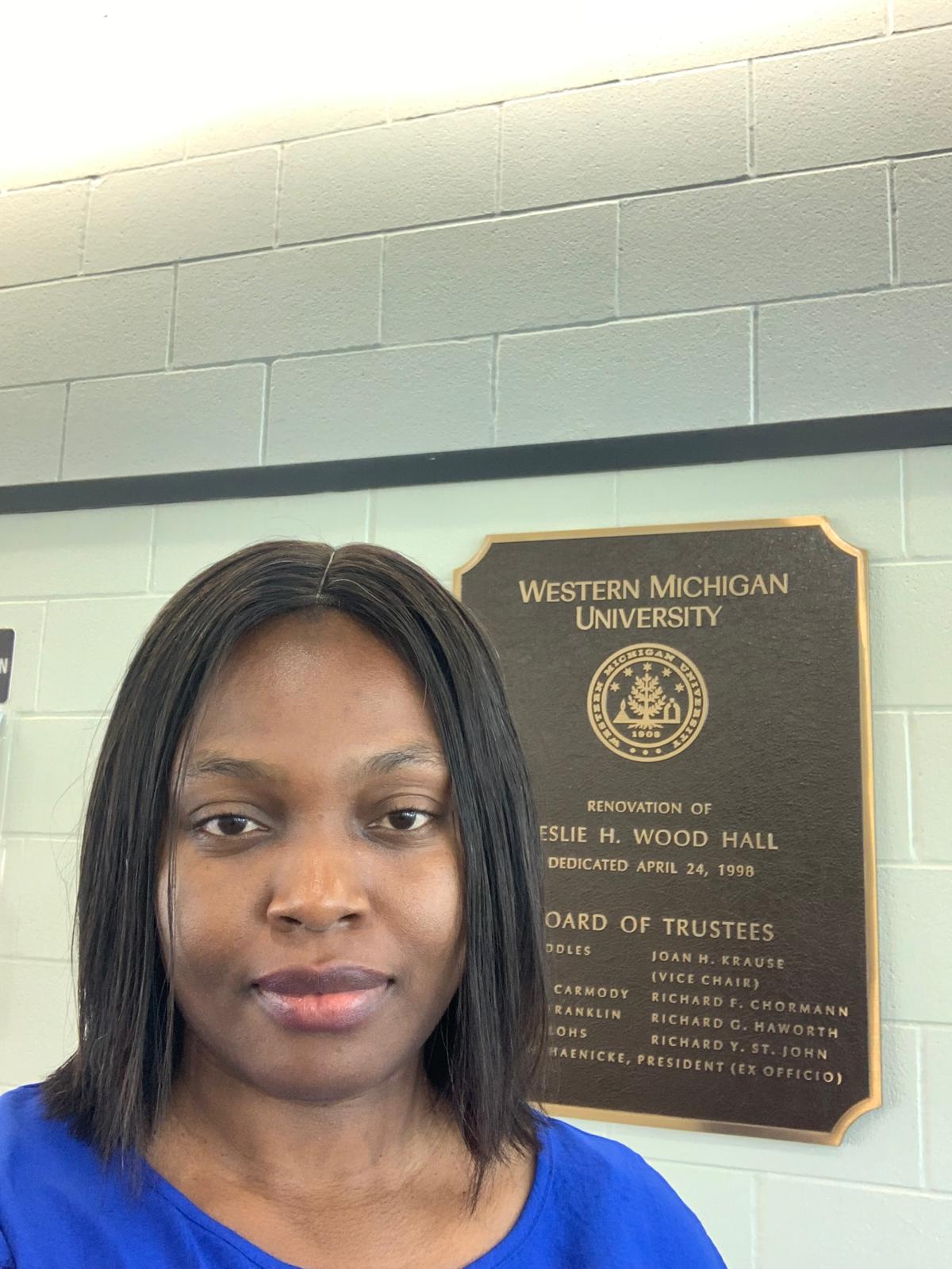
In a modest office at Western Michigan University, USA-based Nigerian researcher Ijeoma Jacinta Nwokolo is quietly working on a project that could redefine how biological science is taught across American institutions.
Her mission is ambitious: to harness artificial intelligence (AI) and data literacy tools to help students understand science better, stay longer in science programs, and prepare for the jobs of the future.
For Ijeoma, this isn’t just a project—it’s the foundation of a long-term research career. Her goal is to ensure that every biological science student becomes AI- and data-literate, not just those with programming backgrounds. Through her work, students will learn to apply technology to real-world scientific problems, thereby strengthening the future STEM workforce.
Her innovative approach combines AI-powered dashboards, custom R software packages, biology-focused chatbots, and curricula designed for both teachers and students. These tools will simplify the collection, analysis, and interpretation of scientific data—even for those with no coding skills. To ensure her work rests on solid evidence, she has begun a systematic review and meta-analysis of existing research on AI and data literacy in biological science education.
The significance of Ijeoma’s research directly aligns with key U.S. national strategies, such as the National AI Initiative Act of 2020, which emphasizes the urgent need to expand computational skills and AI adoption across sectors. Recent U.S. reports also warn of a widening gap between the demand for STEM workers and the number of graduates earning STEM degrees. By focusing on science retention and digital literacy, Ijeoma’s research addresses this gap head-on.
Her work at Western Michigan University builds on a strong foundation from Nigeria. She spent nearly a decade at the Joint Professionals Training and Support Institute, where she helped modernize biological science curricula to meet workforce demands. Later, at Edge Hill University in the United Kingdom, she earned a Master’s in Data Science and Artificial Intelligence—developing 10 machine-learning models and a dashboard to predict at-risk students, an early reflection of her passion for educational innovation.
At WMU, she contributes to the ongoing revision of the BIO 110 laboratory manual, developing content on ecology and symbiotic relationships. She also collaborates on a Science Literacy Project with Dr. Luke Kinsey in the Department of Biological Sciences. Her College of Arts and Sciences Summer Research Award, which funds her systematic review work, underscores her growing influence within academic circles.
Recently, she received an invitation to the MOVE Fellowship, a selective U.S. program that trains academics to build and validate AI models—further recognition of her potential on a national scale.
Beyond transforming science education, Ijeoma’s research also carries clear economic implications. According to the World Economic Forum’s Future of Jobs Report 2025, AI-related industries are projected to create millions of high-paying jobs in the coming years. By equipping students with AI and data skills while keeping them engaged in science programs, her work contributes directly to this evolving economic landscape.
As global debates around AI, workforce development, and education continue, Nigerians like Ijeoma Nwokolo are quietly making their mark abroad—driving change through research, innovation, and policy alignment. Her journey reflects the growing influence of the Nigerian academic diaspora in shaping international conversations on technology and education.
Disclaimer
Comments expressed here do not reflect the opinions of Vanguard newspapers or any employee thereof.