By Jeremiah Urowayino
Netzence Sustainability Limited has expressed dismay over United Nations Children’s Fund report that over 120,000 Nigerian children die yearly from air pollution-related diseases, saying waste can shift from a sanitation headache into a profitable, investor-ready asset.
The firm, in a statement, also expressed concern that poor waste management was fuelling flooding in Lagos, insisting that investment in methane management could transform the situation.
According to the organisation, by measuring methane, Nigeria could turn waste into wealth.
The statement reads: “In Nigeria today, children are on the frontlines of climate neglect. Over 120,000 Nigerian children die each year from air pollution-related diseases (UNICEF), while the World Bank warns that climate change could slash 30% of crop yields by 2050. Already, 25 million Nigerians face food insecurity due to droughts, floods, and rising temperatures. The silent driver behind much of this crisis is methane – one of the deadliest but most ignored greenhouse gases.
“Methane is not an abstract problem. It is produced in vast amounts every time livestock is bred, slaughtered, or left unmanaged. It traps 84 times more heat than carbon dioxide in the short term, and Nigeria’s cattle, goats, and sheep release millions of tonnes annually. Instead of being captured and monetised, this gas escapes into the atmosphere – driving climate chaos, poisoning the air children breathe, and wasting an energy resource that could generate hundreds of millions of dollars.
“Globally, agriculture is responsible for 40 per cent of methane emissions. In Nigeria, unmanaged livestock waste represents both a climate liability and a massive untapped market. What escapes as waste could instead power homes, fuel abattoirs, and generate high-value carbon credits. Premium methane credits trade between $20–$40 per tonne, far outpacing standard carbon credits.
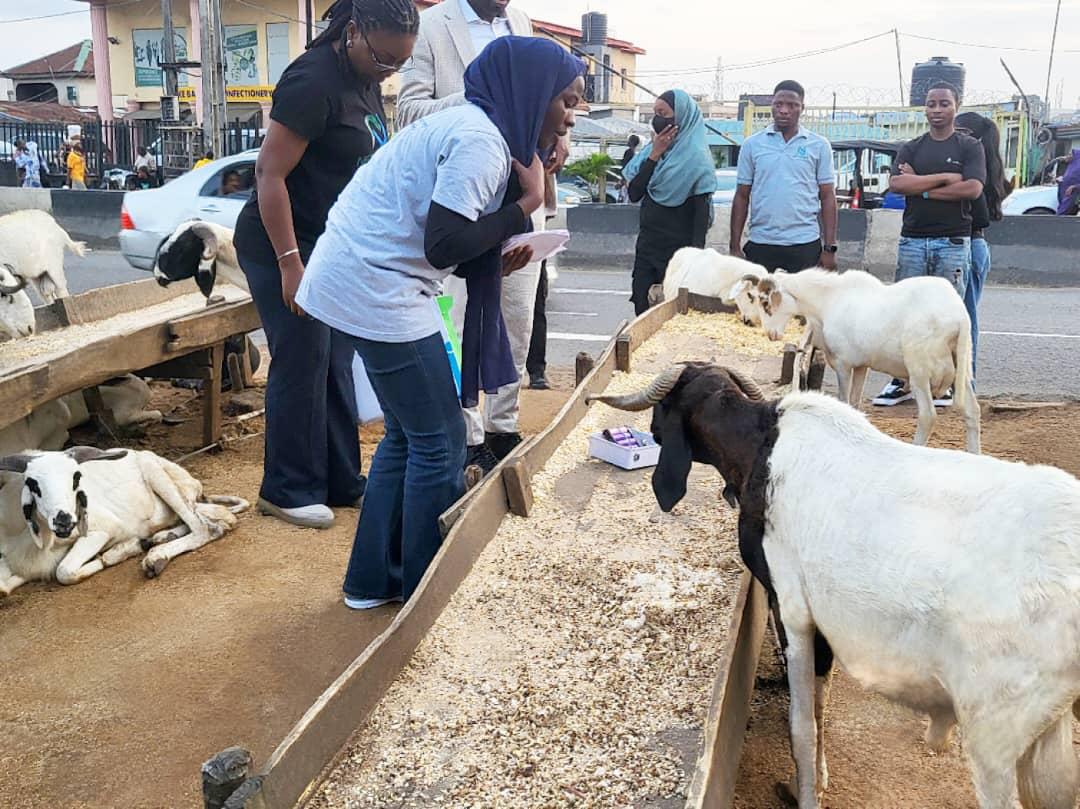
“At Lagos’ Agege slaughterhouse, a field team from Netzence Sustainability Limited recorded methane concentrations of 364 ppm near feeding pens and 400 ppm at manure sites. Each measurement is a signal of lost opportunity: energy that could power homes, slaughterhouses, and rural microgrids – and revenue that could strengthen Nigeria’s position in global carbon markets.
“Netzence’s solution, CloseCarbon, captures these losses and converts them into verified, blockchain-traceable credits. For abattoirs and herders, this means waste can shift from a sanitation headache into a profitable, investor-ready asset. Backed by IoT sensors, AI analytics, and blockchain transparency, every kilogram of methane avoided becomes auditable and tradable.
“The scale is enormous. Nigeria slaughters 7 million cattle, 34 million goats, and 22 million sheep annually. Without methane capture, these emissions vanish. With capture, they could anchor a new wave of carbon finance, rural energy projects, and thousands of green jobs.
“This is not just environmental housekeeping – it is economic strategy. Air pollution already drains $6 billion annually from Nigeria through healthcare costs and lost productivity. Poor waste management fuels flooding in Lagos, spreads disease in rural towns, and disrupts food supply chains. Every naira invested in methane management can yield tenfold returns in avoided losses and new revenue.
“The Global Methane Pledge has put livestock at the centre of climate negotiations. For Nigeria, methane management is not optional. It is a chance to cut emissions, protect food security, and unlock billions in foreign investment.
As Netzence CEO, Dr. Sadiq Sani, said: “Every pile of dung we saw was wasted energy, wasted money, wasted time. What should be powering homes and creating jobs is literally evaporating into the sky.”
“The Agege slaughterhouse is not just a market. It is a mirror of Nigeria’s climate future – where every tonne of methane wasted is a liability, and every tonne captured is an asset. Nigeria’s hidden climate fortune is not in oil alone. It lies in livestock pens, slaughterhouses, and markets. By measuring methane, Nigeria can turn waste into wealth – and liability into leadership.”
Disclaimer
Comments expressed here do not reflect the opinions of Vanguard newspapers or any employee thereof.