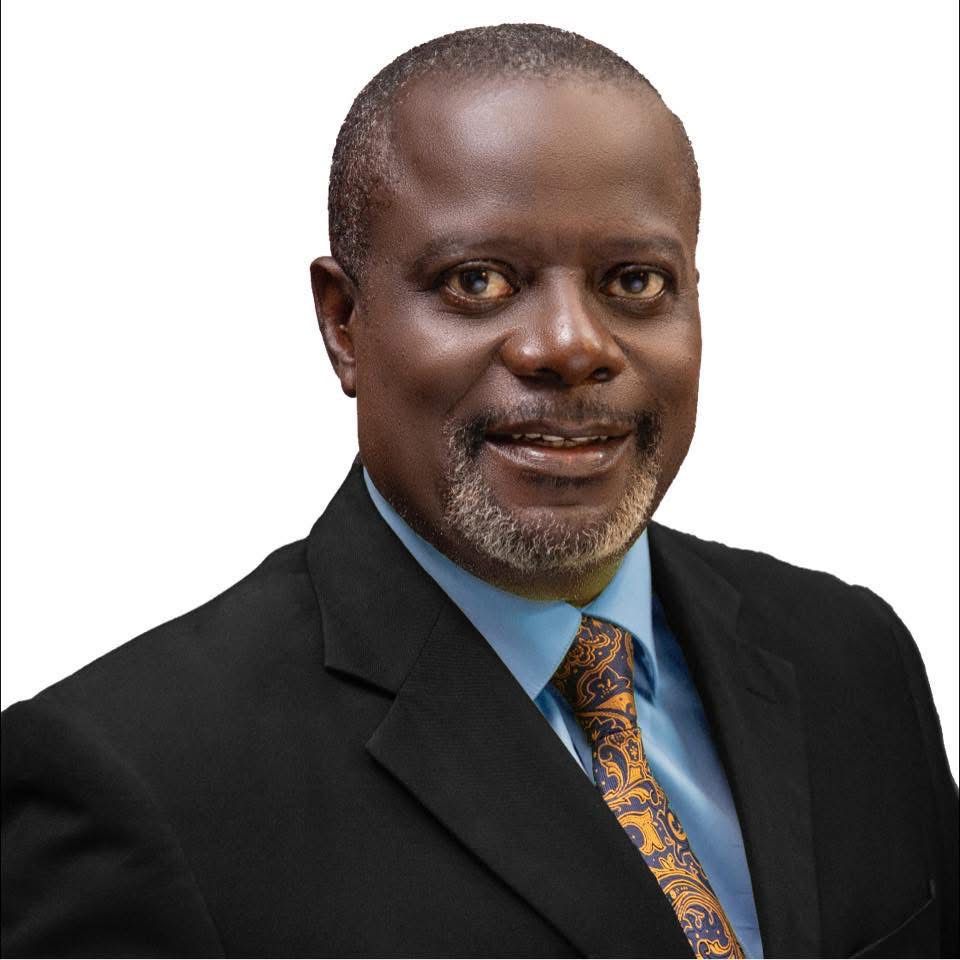
“True service for the common good is not measured by recognition, but by the lasting impact it leaves on lives beyond our own.”
By Kennedy Kanma
As a person, I have always been fascinated by the fact that service for the common good is not only timeless but also profoundly timely. Every day, from our different corners of the world, irrespective of our professions and status, we are reminded to rise above narrow interests. By so doing, we contribute significantly to a vision of society where all can thrive. The truth is that, whether through civic action, professional service, charitable work, or even everyday acts of kindness, each of us has the power to change society and be a force for good. In choosing to serve, regardless of who we are, we reaffirm our shared humanity—and that is the only way we can build a world that reflects the brotherhood of mankind.
My thoughts in the opening paragraph could easily serve as a conclusion on this all-important subject. But I resisted the temptation to save the best for last because of the high regard I place on service for the common good.
As a lawyer, and from what I know about our broken country, fractured by incompetence, division, and weakened by injustice and exclusion, our challenges cannot be solved by a few individuals or even a single political party. As a people, we require global thinking and cooperation to fix Nigeria. Therefore, service for the common good, from my point of view, encompasses not only caring for one’s immediate community but also recognizing our interconnectedness and shared future.
Even as we continue to hold government at all levels responsible for today’s problems, I hasten to add that the responsibility to serve the common good does not lie solely with governments or big institutions. Every individual, man or woman, young or old, rich or poor, has a role to play. These roles may include promoting the ideals of a political party, voting on election day, helping a neighbour in need, supporting local businesses, encouraging and defending politicians who genuinely have the people’s interest at heart, mentoring youths, volunteering, participating actively during elections, advocating for policies that benefit society, and taking part in local governance whenever the opportunity arises.
If I may ask: what exactly is the common good? The common good refers to the well-being of all members of a community. It encompasses access to essential resources, such as education, healthcare, safety, and a healthy environment, and the opportunity for every individual to live a fulfilling life. Unlike private good, which benefits individuals or small groups, the common good benefits everyone and is enriched by collective contribution.
Therefore, service for the common good is both a precursor and the backbone of a cohesive society, no matter the positions we hold or the privileges we enjoy. It is not only a moral imperative but also a practical necessity for engendering justice, equity, inclusion, and sustainable development. Clearly, we cannot talk about the common good without calling out the government. As we all know, government stands at the centre of the people’s lives and plays a crucial role in shaping their well-being.
For all practical purposes, I cannot talk about service for the common good without mentioning patriotism, participation, courage, resilience, consciousness, and hope. At a personal level, I know that all these qualities, and more, were powerfully displayed during the last general elections when young men and women, under the banner of the Obidient Movement, reshaped our country’s political narrative in truly unprecedented ways. But the patriotic and courageous activities of young people during the last general election did not surprise me. For years, I have seen their frustration grow alongside their determination, and that election moment was simply the eruption of a long-building resolve to change Nigeria’s inept leadership and reclaim their country’s future.
To my personal credit, I have always insisted that these young people are our hope and our future. Recently, one of them told me during an encounter that what my generation accepted, theirs will no longer tolerate. And I agree with him completely.
Can we truly afford the foolhardiness of pretending that all is well with our dear country? How can we continue to pretend in the face of unrelenting hardship, growing poverty, lack of opportunities, and the continued indifference of those who should be losing sleep over the pathetic state we find ourselves in today? At this time in our history, we cannot afford to remain silent or indifferent to the challenges that threaten our collective future.
As I often say, this country belongs to all of us. Therefore, we must do everything possible to advance the common good if we do not want history and posterity to judge us harshly. You will agree with me that this moment serves as a wake-up call that demands rebirth, unity, meaningful engagement, and a clear stance on the pressing issues that define our future. For far too long in Nigeria, we have been steering the ship of state without a compass or a clear sense of purpose.
So, as the 2027 general elections beckon, greater duties await all of us. Once again, this is a call to duty for our young people, an urgent reminder that the future depends on their courage, resilience, vision, and action.
Kennedy Kanma, a lawyer and entrepreneur, writes from Abuja.
Disclaimer
Comments expressed here do not reflect the opinions of Vanguard newspapers or any employee thereof.