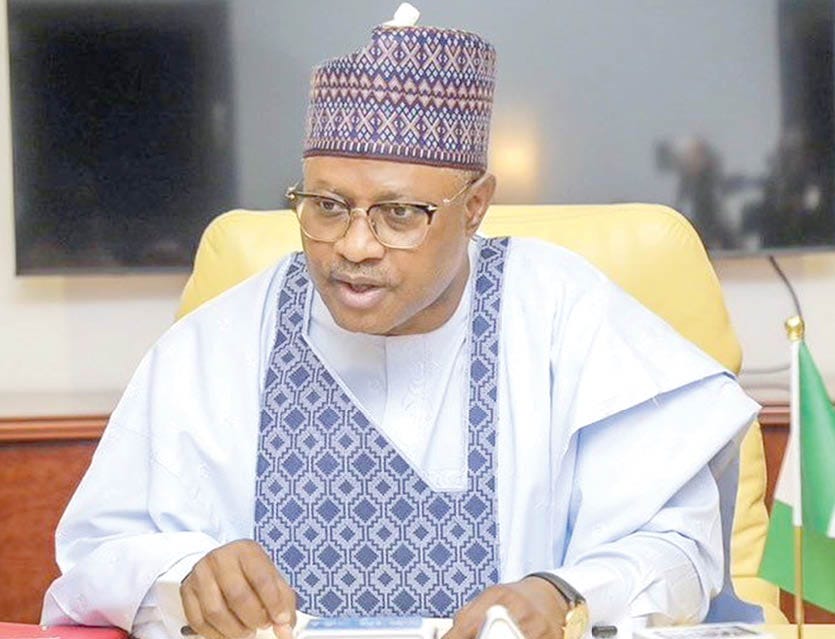
Governor Uba Sani of Kaduna State
By Jimoh Babatunde
The Kaduna State Government and the Bill & Melinda Gates Foundation have signed the Kaduna Mutual Accountability Framework (KaMAF), a strategic platform to deepen collaboration, enhance accountability, and drive sustainable development in the state.
The signing took place on the sidelines of the United Nations General Assembly, underscoring a joint commitment to advancing inclusive development through targeted interventions and stronger cooperation.
KaMAF establishes a non-binding framework for strategic dialogue and accountability. While it does not create legally enforceable obligations or financial commitments, it serves as a guide for aligning development priorities for maximum impact.
It builds on the Kaduna State International Development Cooperation Framework (2017–2020) and introduces new mechanisms for strategic dialogue, measurable commitments, and citizen-centered monitoring.
The Framework outlines key focus areas:
Health: Strengthening primary healthcare systems, maternal and child health outcomes, and disease prevention.
Agriculture: Promoting sustainable practices, boosting productivity, and expanding market access.
Data Management: Developing robust systems for evidence-based policymaking and program evaluation.
Realistic Budgeting: Supporting transparent, accountable, and sustainable budget practices.
Economic Empowerment: Expanding financial and digital inclusion, with a focus on women’s economic resilience.
Governor Uba Sani described the agreement as a bold step toward Kaduna’s vision for inclusive growth.
“The KaMAF represents a shift from promises to delivery. By ensuring accountability, transparency, and alignment with citizens’ priorities, Kaduna is working to build a more inclusive, resilient, and prosperous future,” he said.
The Gates Foundation reaffirmed its commitment through sustained investments and technical support.
Uche Amaonwu, the Foundation’s Country Director for Nigeria, noted:
“Our work in Kaduna is grounded in a shared vision for inclusive, accountable, and data-driven development. We are investing in people, communities, and institutions that drive sustainable change.”
The KaMAF will guide collaboration over an initial two-year period (2025–2026). A Joint Steering Committee and regular Strategic Dialogues will track progress, address bottlenecks, and ensure sustainability.
Both partners expressed optimism that KaMAF will serve as a model for transformative state-donor partnerships in Nigeria and beyond.
Disclaimer
Comments expressed here do not reflect the opinions of Vanguard newspapers or any employee thereof.