By Elizabeth Osayande
Oko Owoicho is a critic and award-winning poet. He is the founder of the Benue Poetry Troupe and the Team Lead for Afrika-Writes. In his review of Yusuf: The Battle of Sambisa, written by Kenn Amaechi, he states: “The Novelist Is Still a Teacher.”
Owoicho discusses how Yusuf: The Battle of Sambisa contributes to the ongoing conversation about Nigerian literature. The novel aligns with the idea that contemporary Nigerian literature continues to follow the traditional framework established by the first generation of writers, who believed that art should serve as an agent of social change. This perspective has been popularised by Chinua Achebe’s essay “The Novelist as a Teacher,” published in Hopes and Impediments. The novel adheres to the critical realist tradition that pervades much of popular literature, guiding us through Nigeria’s history and current events.
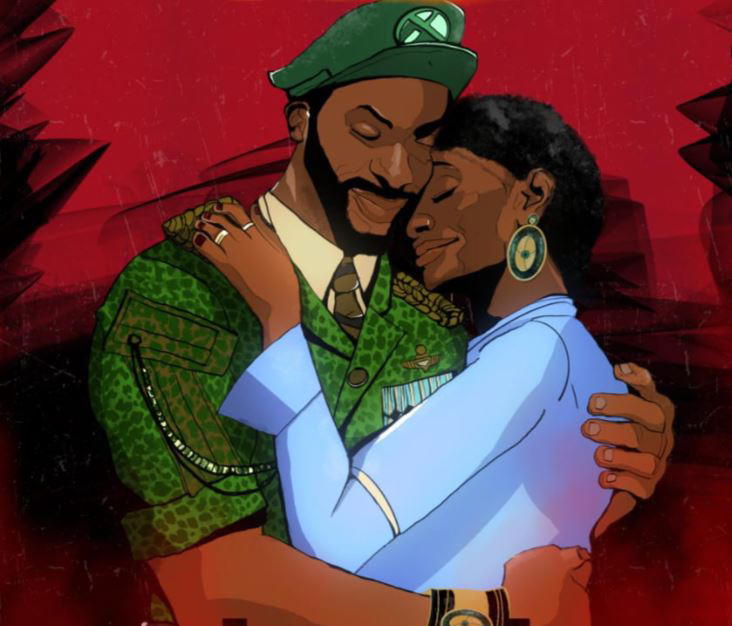
The story provides a bildungsroman of Yusuf’s growth and journey. From the University of Maiduguri, we witness his evolution, recalling his days of innocence and youthful naivety with Maryam. The vivid descriptions of their innocence capture how, in the heat of passion, two young lovers explore the desires of the human body. At this moment, readers may find themselves reminiscing about their own first kiss—the carefree phase of life unencumbered by responsibilities and burdens.
As Yusuf completes his National Youth Service Corps (NYSC) scheme, he faces crucial questions about survival, prompting him to heed his Uncle Bala’s advice to join the Nigerian army. Uncle Bala suggests that converting to Islam would make this path easier, introducing a vital discussion about religion in Nigeria.
To illustrate his point, Uncle Bala shares his own journey and conversion from Christianity to Islam. Faced with severe poverty, an ailing mother in the hospital, and younger brothers striving to graduate, he contemplates conversion to improve his chances of securing a slot for direct entry into the Nigerian Army. He states, “I became a Muslim when I faced something similar to your present situation. You know, we are minorities where we came from, and because of that, we face discrimination. You endure this kind of discrimination because you belong to a minority tribe, because you are a Christian, because you are a northerner with an English name, and because you choose to be different” (39).
This theme offers a Marxist perspective on a central subject in many Nigerian novels: the dialectics of survival, particularly regarding the plight of minority tribes in Northern Nigeria. Uncle Bala explains to Yusuf that belonging to a minority ethnic group and being a Christian minority imposes dual limitations on survival. He advises Yusuf, “You may want to take my approach. You won’t be losing your soul, but you will gain it more; for you will come to appreciate God better” (40).
Amaechi raises fundamental questions about the experience of being Nigerian and the quest for survival. Life in Nigeria, despite outward displays of ethnic and religious loyalty, cannot be divorced from the underlying human desire for existence. The dilemmas we face and the choices we make are primarily dictated by our survival instincts, as exemplified by Uncle Bala’s life. However, while survival influences Yusuf’s decisions, much like his Uncle’s experience, emotional conflicts emerge in his family relationships.
This conflict becomes apparent when Yusuf goes home for Christmas, hoping to share news of his conversion with his family. He notices his mother’s disappointment over his lack of enthusiasm for going to church and celebrating his return. “Yusuf noticed his mum’s unhappiness about his lack of enthusiasm to go to the church and celebrate his homecoming. He, too, became a bit depressed because it was only one thing—his conversion to Islam—that stopped him from going to church” (54). This illustrates a shift from innocence to the realisation that survival instincts drive our choices, which are further complicated by the emotional well-being of our loved ones.
While Yusuf grapples with personal issues, the broader national problem of insurgency looms. We see this transition when he is deployed to the Engineer Search and Disposal Regiment Unit for training in bomb disposal. Dr. Nafeez Rafsanjani provides Yusuf and his colleague with information about the devastation inflicted by the Boko Haram sect on the country. Through flashbacks, Yusuf recalls his experiences in Maiduguri during the time leading up to his university admission: “Listening to the lecturers recount the history of Boko Haram and the atrocities they had committed reminded Yusuf of his life experiences in the Maiduguri metropolitan area.”
Disclaimer
Comments expressed here do not reflect the opinions of Vanguard newspapers or any employee thereof.