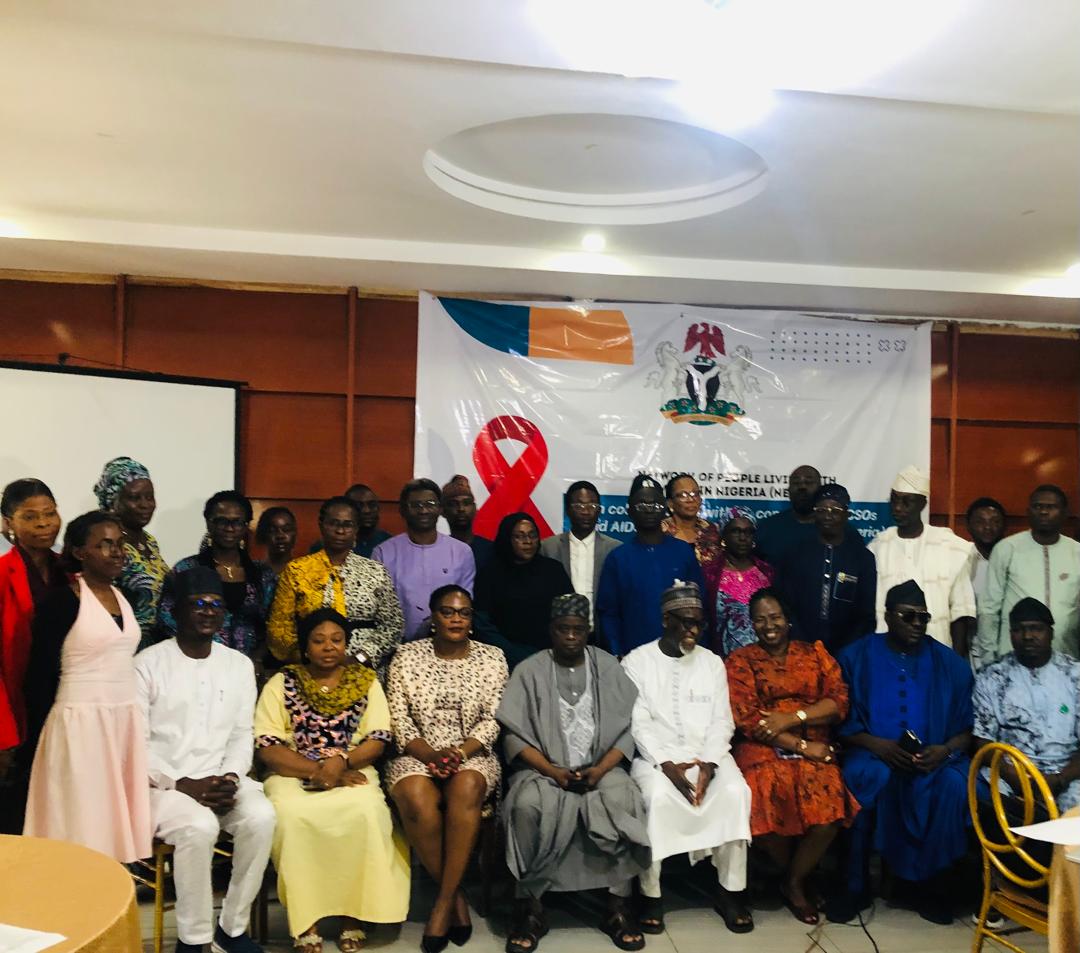
…NEPWHAN urges states to domesticate anti-stigma, discrimination law
By Joseph Erunke, Abuja
The AIDS Healthcare Foundation (AHF) and a coalition of Civil Society Organisations (CSOs) have renewed calls for increased domestic financing to sustain Nigeria’s response to HIV and tuberculosis (TB), stressing the urgency of reducing reliance on foreign aid.
This was the focus at the CSO Financing Dialogue on Domestic Resource Mobilisation and Domestication of the HIV Anti-Stigma and Discrimination Law, where stakeholders highlighted funding shortfalls and the need for legislative action to secure sustainable health investments.
The Network of People Living With HIV/AIDS in Nigeria (NEPWHAN) urged states to domesticate the HIV anti-stigma and discrimination law to ensure stronger protections for people living with the virus.
Stakeholders recalled the 2001 Abuja Declaration, in which African Union member states pledged to allocate at least 15 percent of their national budgets to health. Two decades later, Nigeria has yet to consistently meet this benchmark, a gap they said must be addressed.
With global donors scaling back, participants said the National Assembly must lead efforts to prioritise health financing in line with the Abuja commitment.
Abdul Kadir Ibrahim, National Coordinator of NEPWHAN, noted that 80–85 percent of Nigeria’s HIV response is still funded externally, mainly by the US government, the Global Fund, and other partners, while less than 15 percent comes from domestic sources.
According to him, recent changes in US funding policies should be a wake-up call for Nigeria.
“We need to look inward and provide solutions. HIV is still with us, and there are gaps we must fill if we are to achieve the 2030 target of ending AIDS,” he said.
He also called for expansion of the National Health Insurance Scheme (NHIS) to support sustainability, pointing out that the cost of free drugs supplied under donor programmes ultimately falls on taxpayers in donor countries.
Amobi Godwin Ogah, Chairman of the House Committee on HIV/AIDS, Tuberculosis, Leprosy and Malaria, said Nigeria requires about $8 billion annually to sustain its HIV/AIDS response. He added that the reduction of US funding should prompt Nigeria to take greater ownership of its health sector.
“Since the withdrawal of funding, conversations have started on how to rejig our financing architecture. Several innovative solutions have been rolled out, but there is a need to streamline them and provide a legislative framework for implementation,” he said.
Dr. Murphy Akpu of UNAIDS urged deliberate action, including boosting local drug production, while Dr. Ejezie, AHF Country Programme Director, described the dialogue as timely and assured that AHF would continue supporting strategies to close Nigeria’s health financing gaps.
Disclaimer
Comments expressed here do not reflect the opinions of Vanguard newspapers or any employee thereof.