…Targets 500,000 learners in first phase of nationwide literacy initiative
By Joseph Erunke, Abuja
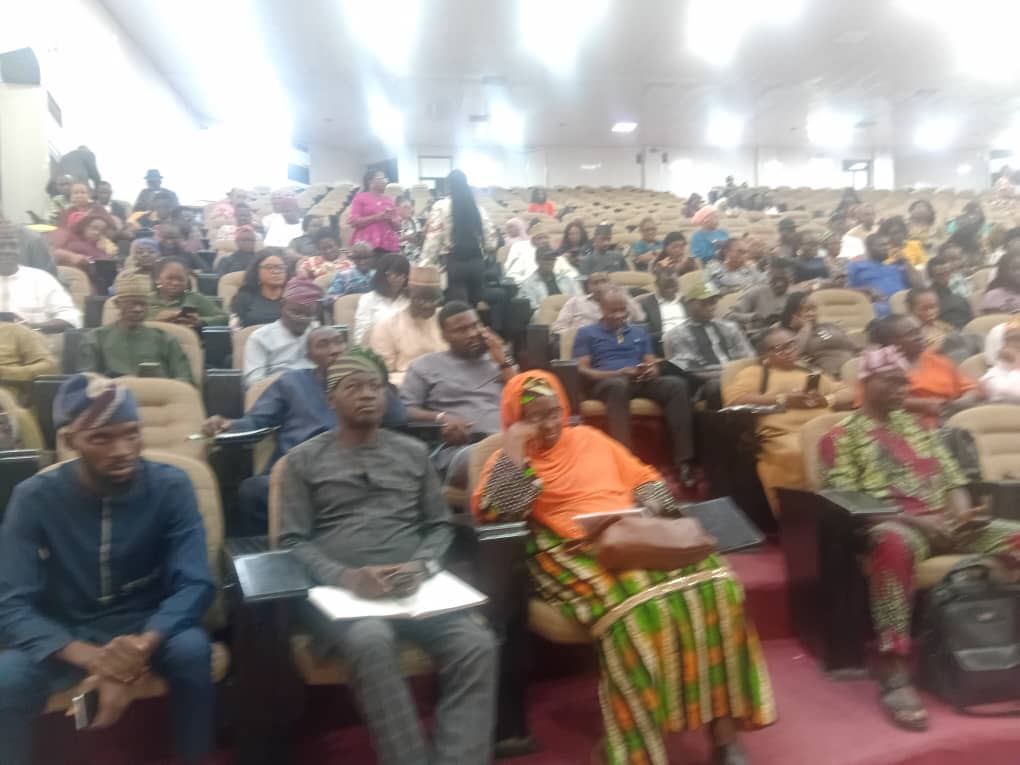
The National Commission for Mass Literacy, Adult and Non-Formal Education (NMEC) has launched a two-day training workshop for enumerators on the use of automated tools for needs assessment of out-of-school children and youths across Nigeria.
Speaking at the flag-off in Abuja, the Acting Executive Secretary of NMEC, Dr. John Onimisi Edeh, said the initiative is part of a broader national strategy to tackle the growing number of out-of-school youths, especially those aged 15 and above.
Dr. Edeh explained that the training is designed to equip 376 enumerators from the 36 states and the FCT with digital skills for accurate data collection. The programme, he noted, aims to enroll over 500,000 learners in the initial phase and help them complete literacy and vocational training programmes.
“We are not just focusing on reading and writing but also offering pathways into vocational training. Our framework supports learners who want to pursue skills acquisition after their literacy education,” he stated.
The exercise will be conducted in all 774 local government areas and will utilize a real-time dashboard system linked to the National Identity Management Commission (NIMC) to track and monitor learners. According to Dr. Edeh, the last nationwide literacy survey was conducted in 2010, and the current initiative fills a critical gap caused by years of limited funding.
“The current programme is a timely intervention as Nigeria still has over 30 million non-literate citizens,” he noted. The basic literacy programme is expected to run for six to nine months, depending on contact hours.
Dr. Edeh also emphasized strong partnerships with state-level agencies and literacy-focused NGOs to ensure the sustainability of the initiative. He commended the Minister of Education and the Executive Secretary of the Universal Basic Education Commission (UBEC), Dr. Ayesha Garba, for their support.
“This is the first time in recent years that non-formal education is receiving this level of attention,” he added, calling on all stakeholders to treat the project as a national priority.
Also speaking, NMEC’s Director of Programme, Mr. Aziba Samuel, reiterated the Commission’s dedication to addressing the education gap among Nigerian youths. He highlighted the Federal Ministry of Education’s directive for NMEC to make at least 300,000 Nigerian youths and adults literate within the year.
Mr. Samuel outlined several preparatory steps already taken, including designing survey instruments, conducting field surveys, mapping out literacy interventions, and setting measurable performance targets based on SMART (Specific, Measurable, Achievable, Realistic, and Time-bound) indicators.
He described the training and onboarding of enumerators as a vital step in deploying NMEC’s new digital data collection app, which he said will enhance accuracy, efficiency, and data reliability.
“The new app is designed to make your work easier and more efficient. The quality of data you collect will form the foundation for impactful policy-making and interventions,” he told participants.
Urging full engagement throughout the sessions, Mr. Samuel emphasized that the training directly supports Nigeria’s efforts toward achieving Sustainable Development Goal 4 (SDG 4): inclusive and equitable quality education for all.
Disclaimer
Comments expressed here do not reflect the opinions of Vanguard newspapers or any employee thereof.