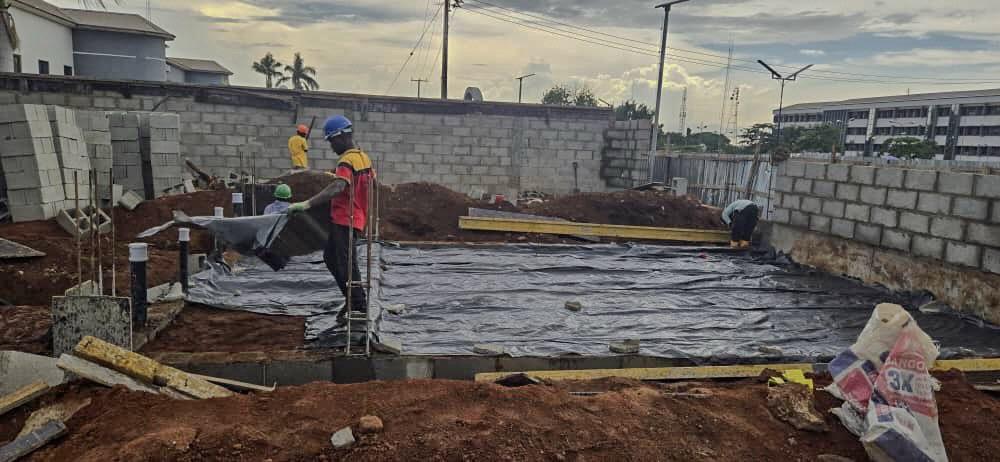
Nigeria damp/waterproof company DryStruct, through its MD, has sounded an urgent alarm over what he describes as a silent crisis threatening homes, health, and the economy across the country: dampness.
Speaking to reporters, Kayode stressed that the problem goes far beyond cosmetic damage. “Dampness is not just a cosmetic issue; it’s a structural and health emergency,” he said. “It weakens buildings, reduces property value, and fosters mold growth that can trigger respiratory illnesses, especially in children and the elderly.”
Experts note that rising damp, condensation, and water ingress are quietly undermining buildings nationwide, often years before the signs become visible. Nigeria’s tropical climate, worsening rainfall patterns due to climate change, and the use of substandard materials have only heightened the risk.
Left untreated, damp can slash a building’s lifespan by decades. Mold spores from affected walls are known to aggravate asthma, cause persistent coughing, and spark allergic reactions. Economically, the impact is severe homeowners face falling property values while businesses risk closures from structural failures.
Kayode called for increased public awareness, regular building inspections, and the use of quality damp-proofing methods. “The best time to address dampness is before it becomes visible,” he advised.
DryStruct Nigeria Limited, a leader in damp proofing and waterproofing solutions, says it is committed to protecting Nigerian buildings through services such as structural damp proofing, bituminous felt roofing, sealcoating, and moisture control consultancy. The company has restored homes, schools, hospitals, and commercial properties nationwide, reinforcing its role in the fight against the nation’s hidden building crisis.
Disclaimer
Comments expressed here do not reflect the opinions of Vanguard newspapers or any employee thereof.