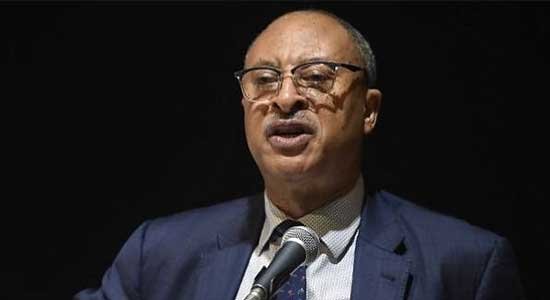
Utomi
The Convener of the Big Tent coalition, Professor Pat Utomi, has urged the Federal Government to provide transparent and detailed information regarding recent developments at the Nigerian National Petroleum Company Limited (NNPCL), particularly following reports of leadership changes within the organization.
Utomi noted that uncertainty surrounding the management of NNPCL could dampen investor confidence and slow momentum in Nigeria’s oil and gas sector—one of the country’s most vital economic drivers.
He stressed the importance of maintaining stability in key institutions to attract global capital, citing countries like Oman that have drawn significant international investment through consistent and transparent policies.
Referencing what he described as one of the most credible boards in NNPCL’s recent history, Utomi cautioned that any signs of undue influence or lack of clarity in corporate governance could hinder the sector’s ongoing reforms. “It would be two steps forward and ten steps backward if perceived political interference continues to shape developments in NNPCL or the broader energy sector,” he said.
In a statement, the Big Tent described the current NNPCL board and management as having the credibility to help restore international investor confidence in Nigeria’s energy landscape. The coalition urged the Federal Government to issue a formal clarification to safeguard the company’s image and foster sector-wide stability.
The group also referenced its recent State of the Nation document, which outlines strategic recommendations aimed at repositioning the oil and gas industry for long-term growth.
Among its proposals, the Big Tent Shadow Oil and Gas team called for: Reduction in excessive regulation to foster innovation and accelerate industrial expansion. Enhanced ease of doing business, including expedited permit and license processing. Transparent regulatory reforms, with meaningful input from industry stakeholders. Legal avenues for industry players to seek redress and promote accountability in regulation. And Adoption of self-regulation models, anchored in strong industry-led oversight under government supervision.
The Shadow team also emphasized the need for fiscal policy reforms that would integrate the oil and gas sector more effectively into the broader economy. The objective, according to the coalition, is to shift from a consumption-based model to one centered on production, job creation, and inclusive development.
Professor Utomi concluded by stressing that Nigeria’s foremost economic priority must now be job creation and the pursuit of sustainable development strategies.
Disclaimer
Comments expressed here do not reflect the opinions of Vanguard newspapers or any employee thereof.