By Esther Onyegbula
Stakeholders across Nigeria’s health, advocacy, and policy sectors have called for the urgent development of a national dementia policy, warning that the country is ill-prepared to manage the rising tide of elderly Nigerians living with the condition.
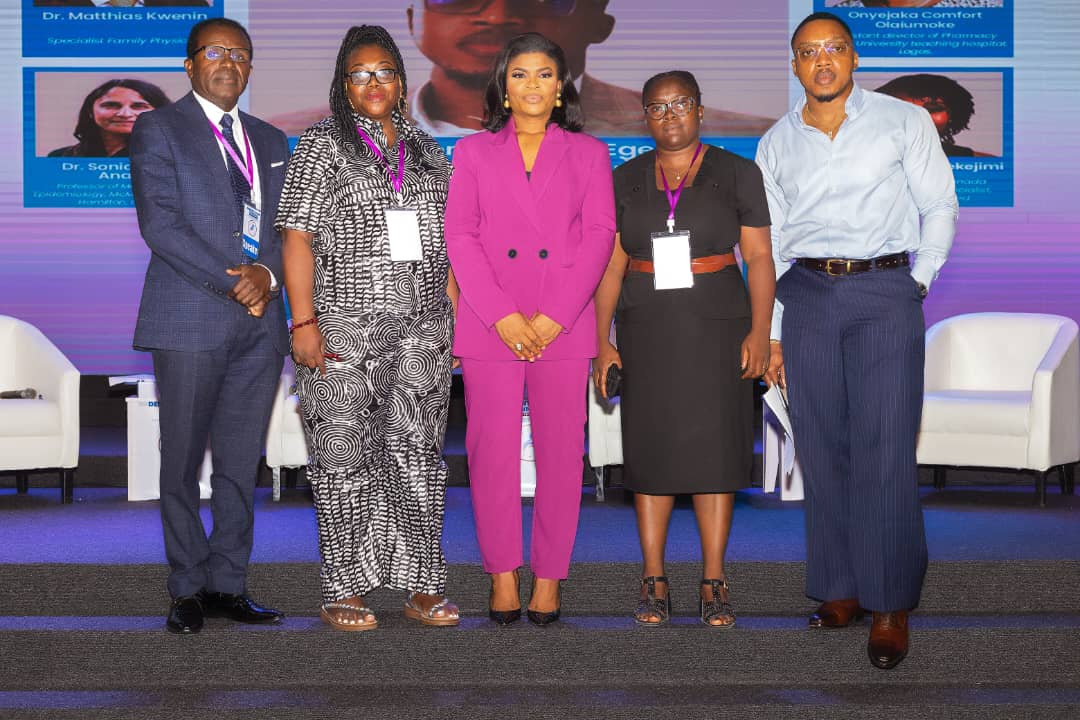
This call was the central focus of the inaugural Dementia Care in Nigeria Conference, organised by the Good Hands Initiative for Elderly Care and held Thursday, May 22, 2025, at The Dome Event Centre in Lekki, Lagos.
Themed “Empowering Voices: Driving Dementia Advocacy and Action,” the hybrid event brought together over a dozen expert speakers and delegates from Nigeria, Canada, and the United Kingdom, highlighting both the growing crisis and the systemic gaps in Nigeria’s response.
“Dementia is a silent epidemic that affects not just individuals, but entire families and communities,” said Mrs. Ozioma Capuano, Director of the Good Hands Initiative, in her welcome address.
“Nigeria must act now through inclusive policy and stronger support systems before the burden becomes unmanageable.”
Participants painted a stark picture of the reality facing many Nigerians, especially as life expectancy increases and more families quietly grapple with caring for loved ones suffering memory loss, cognitive decline, and behavioural changes linked to dementia.
Keynote speaker Dr. Sonia Savitri Anand, a Professor of Medicine and Epidemiology at McMaster University, Canada, stressed the need for culturally relevant care models. Speaking virtually, she urged Nigeria to invest in tailored interventions and research.
Representing the Lagos State Government, Dr. (Mrs.) Oluwatoni Adeyemi, Senior Special Assistant to the Governor on Health, acknowledged existing efforts by the state but admitted that cross-sector partnerships are crucial to making elderly care a national priority.
“Government alone cannot do this. We need advocacy groups, private actors, and communities to align,” she said.
Two panel sessions, moderated by renowned physician and digital health advocate Dr. Chinonso Fidelis Egemba (popularly known as Aproko Doctor), provided further insight into the scale of the challenge.
The first panel, “Understanding Dementia, Challenges and Opportunities in Nigeria,” identified low awareness, cultural stigma, and lack of early screening as major barriers to effective dementia care.
The second panel emphasised policy reform, frontline workforce training, and public-private partnerships as key pillars of a sustainable response.
Contributors included Dr. Matthias Kwenin, Mrs. Busola Shogbamimu, Prof. Jackie Bosch, and Mrs. Vera David-Emesiobum, who collectively echoed a single demand: Nigeria needs a national dementia policy backed by funding and legislation.
One of the most poignant moments came from a participant who shared the emotional and financial weight of caring for her father, whose condition went undiagnosed for years.
“It’s isolating. You’re not just battling the illness but also the silence and shame that surrounds it,” she said, underscoring the urgent need to break societal taboos around dementia.
The highlight of the conference was the a roadmap calling for:
Government Action: Establish and fund a national dementia policy, integrate elderly care into public health strategy, and provide subsidies for caregiver training.
Family Role: Encourage early diagnosis, reduce cultural stigma, and strengthen community support systems.
Media Engagement: Promote public education campaigns, spotlight real-life experiences, and normalise conversations around dementia.
The outcomes will be compiled into a policy recommendation brief for circulation to relevant stakeholders, including the Federal Ministry of Health and the National Assembly.
Reaffirming the Good Hands Initiative’s commitment to sustained advocacy and collaboration, Mrs. Capuano said: “This conference is not a one-off event. We are building a movement, one that insists that Nigeria’s elderly are seen, heard, and cared for.”
Disclaimer
Comments expressed here do not reflect the opinions of Vanguard newspapers or any employee thereof.