…Calls for digital boat registration, community training, and safety reforms
By Ibrahim Hassan-Wuyo
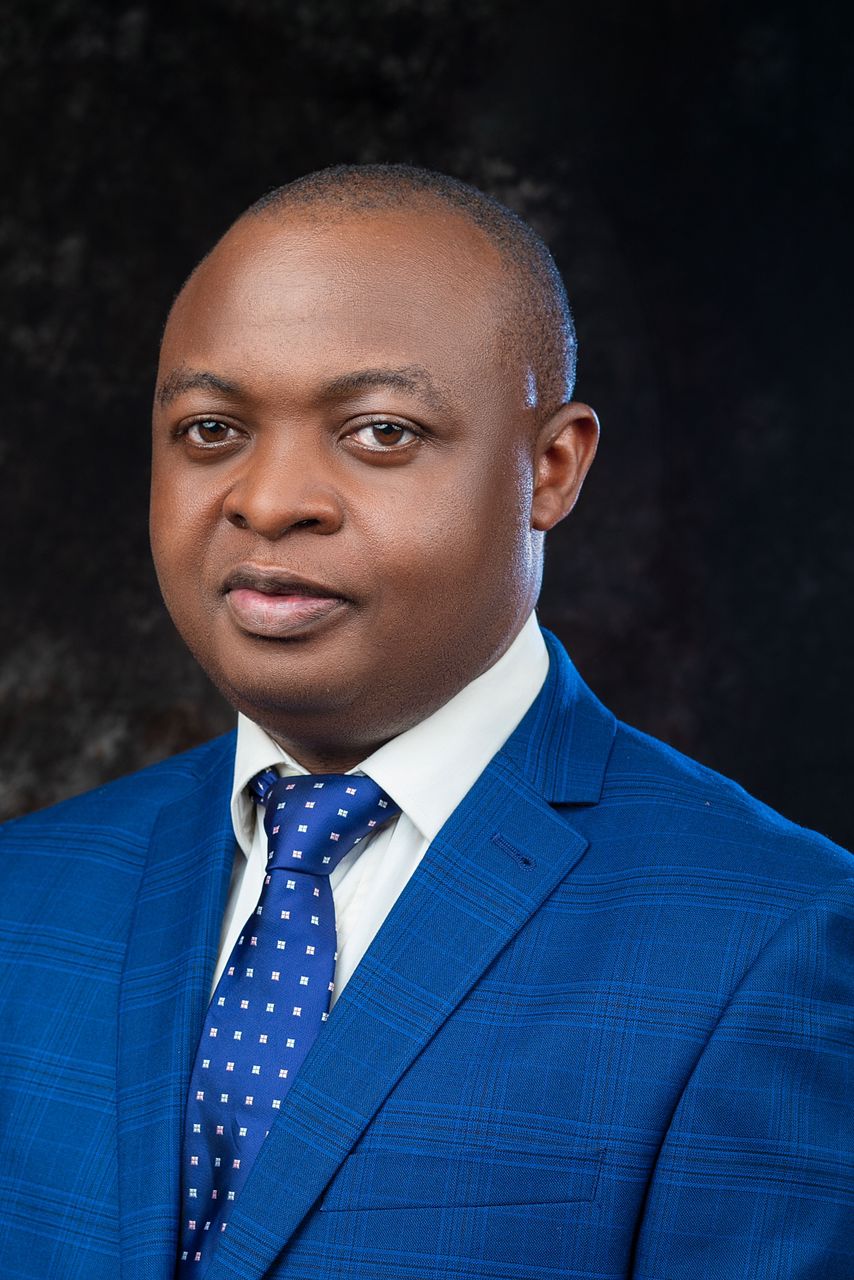
KADUNA — A Master Mariner and maritime advocate, Captain Caleb Danladi, has called for a coordinated and technology-driven approach to tackle the recurring boat mishaps on Nigeria’s inland waterways and coastal regions.
In a statement titled “Safeguarding Lives at Sea — Proactive Solutions to Boat Mishaps in Nigeria’s Waters”, Captain Danladi decried the frequent boat accidents claiming lives nationwide, describing them as “avoidable tragedies” that require urgent and sustained action from all stakeholders.
He urged the Federal Government, maritime regulators, and community leaders to move beyond reactive responses and adopt long-term, enforceable safety strategies.
“The solution lies in enforceable regulations, adequate training, structural reforms, and the deployment of modern technologies to monitor, regulate, and respond to maritime emergencies,” he said.
Captain Danladi emphasised the need for mandatory life jacket use, passenger manifests, strict loading limits, and certified crew qualifications. He also called for routine inspections by maritime safety agencies and local authorities.
As the founder and CEO of the Caleb Danladi Foundation, he proposed a digital boat registration system integrated with GPS tracking to promote accountability and facilitate swift emergency responses.
He further appealed to the government and international development partners to subsidise this technology for local boat operators, especially in rural riverine areas.
To enhance emergency response, Danladi recommended establishing search and rescue units at high-traffic jetties and transit corridors, equipped with trained divers, rescue boats, radios, and designated recovery zones.
Highlighting the vulnerability of remote communities, he stressed the importance of localised safety training. “Community-based programmes on water survival, first aid, and proper loading techniques can save lives,” he stated.
He also called for a national certification and continuous training programme for boat operators, covering essential topics such as navigation, weather interpretation, engine maintenance, and emergency procedures.
To eliminate the use of unsafe boats, Danladi urged the Federal Government to work with maritime engineers and local builders to phase out rickety vessels in favour of certified, safer models.
“Without structural reform, the cycle of avoidable deaths will persist,” he warned.
Danladi also advocated for stronger collaboration among maritime agencies — including the Nigerian Maritime Administration and Safety Agency (NIMASA), the National Inland Waterways Authority (NIWA), state marine units, and traditional institutions — through joint patrols, intelligence sharing, and coordinated oversight.
Additionally, he recommended the establishment of marine insurance schemes to offer financial protection to victims and their families in the event of accidents.
“Every life lost on our waters is a preventable tragedy,” Captain Danladi concluded. “We owe it to our communities to prioritise maritime safety now.”
Disclaimer
Comments expressed here do not reflect the opinions of Vanguard newspapers or any employee thereof.