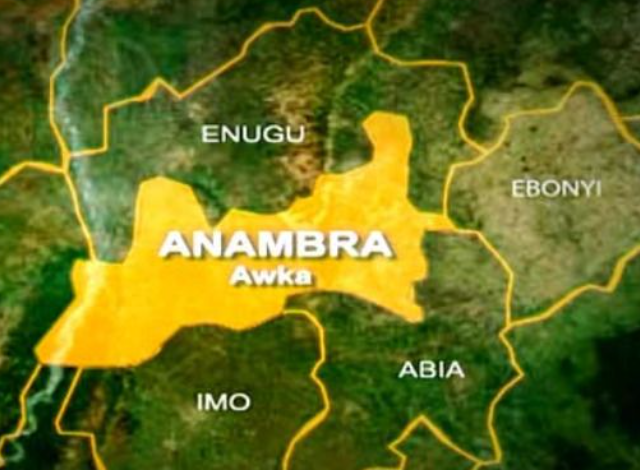
– Focus on Empowering Grassroots Women Through Voter Education
By Vincent Ujumadu
AWKA — The European Union (EU), in collaboration with the Nigeria Women Trust Fund (NWTF), has launched a fresh initiative aimed at addressing challenges faced by voters during elections in Nigeria, with a particular focus on empowering women through voter education.
The initiative was unveiled during a training workshop held in Awka on Thursday. The event brought together key stakeholders, including representatives from the Independent National Electoral Commission (INEC) and various Civil Society Organizations (CSOs).
Speaking at the workshop, the Programme Officer of NWTF, Malliya Manu, emphasized the importance of involving grassroots women in the electoral process, especially ahead of the Anambra Central Senatorial election slated for August 16 and the governorship election scheduled for November 8.
“We want to mobilize grassroots women, CSOs, and faith-based organizations to step down voter education to rural communities so that more women can participate in the elections,” Manu said.
She noted that each woman trained through the program is expected to train an additional 50 women in her community, creating a multiplier effect across the state. The initiative, she added, also aims to reduce voter apathy that often plagues Nigeria’s elections.
According to her, the participants were carefully selected in collaboration with INEC and the Social and Integral Development Centre (SIDEC), a local CSO in Anambra. INEC provided 20 participants while SIDEC contributed 10, all of whom are influential women with a strong interest in Nigeria’s electoral process.
One of the lead resource persons, Venezia Gregory, highlighted the core objectives of the training, which include equipping participants with the knowledge and skills to conduct local voter education forums and improve electoral participation among women.
She identified key issues faced by voters, including double registration, transportation difficulties, lack of voter education resources, and a limited number of trained facilitators.
“Voter and civic education is critical to ensuring that every eligible Nigerian understands their rights, responsibilities, and how to engage with the political system,” Gregory said.
She emphasized that an informed electorate is vital to the success of any democratic election, especially in fragile or post-conflict regions where voting can significantly influence national development.
“Voter education helps strengthen democracy by fostering informed participation, promoting peaceful elections, and encouraging tolerance and acceptance of election results,” she added.
Gregory pointed out that while education alone cannot sustain democracy, it is a crucial pillar—especially when supported by a responsive and democratic state. An educated citizenry, she noted, can even mitigate administrative deficiencies during elections.
She stressed that voter education should be inclusive, targeting not only women but also men and persons with disabilities. It must focus on fundamental rights, voting procedures, and the importance of inclusive governance.
“Ultimately, voter education should prepare and encourage all citizens to participate meaningfully in the electoral process,” Gregory concluded.
Disclaimer
Comments expressed here do not reflect the opinions of Vanguard newspapers or any employee thereof.