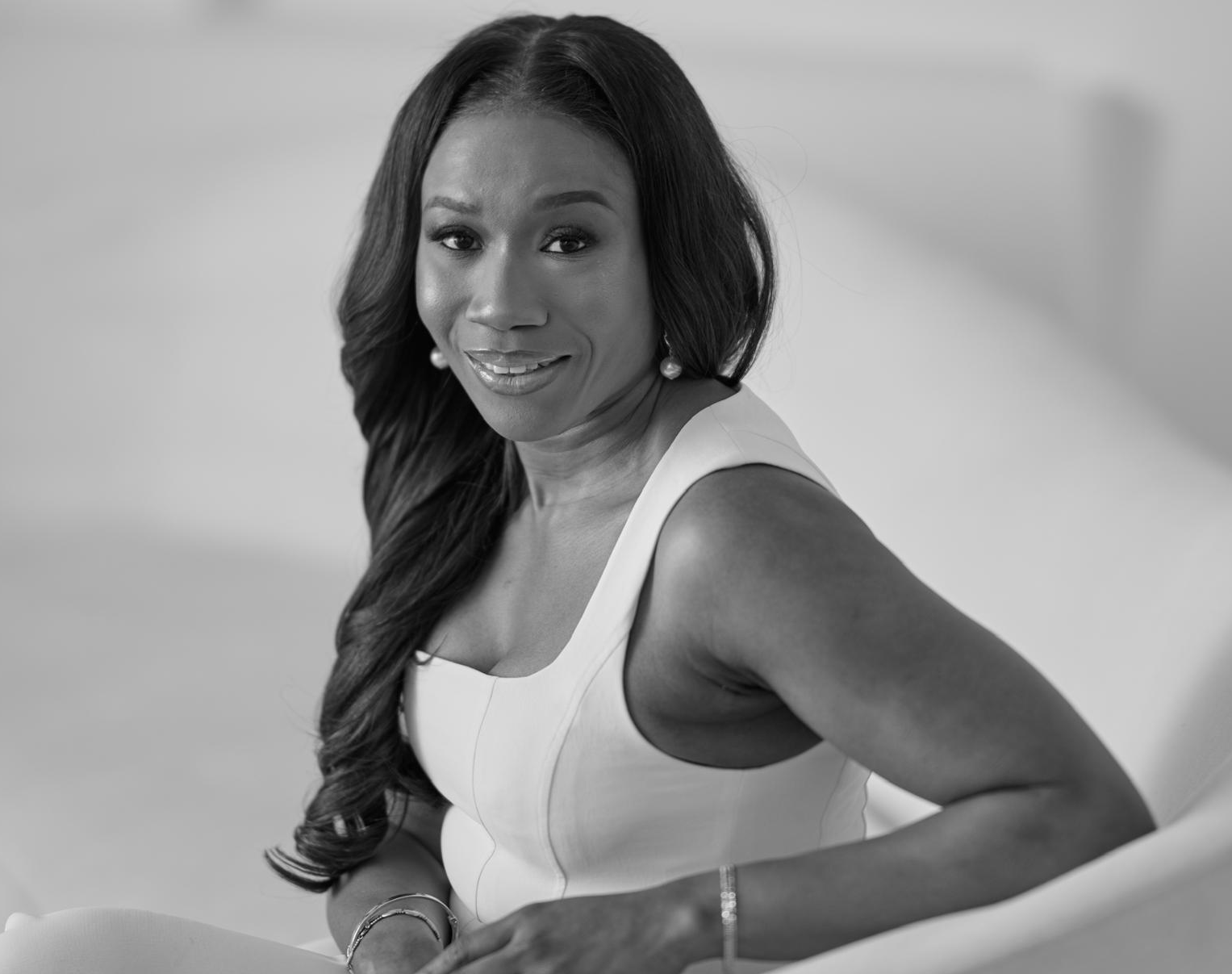
By Olamidotun Votu-Obada
Literacy is one of the most important tools a child can possess. The ability to read and write is not only a recognized human right, it’s a cornerstone of the United Nations’ Sustainable Development Goal 4, which emphasizes inclusive and equitable quality education.
But while the right to read is crucial, what children read also matters. Literacy is only the beginning; culture gives it meaning.
According to UNESCO, at least 773 million adults and young people around the world cannot read or write. In sub-Saharan Africa, nearly 90% of children under age 10 are considered unable to read and understand a simple text. These figures highlight the depth of the literacy challenge. Rightly, governments and development partners have focused on foundational skills—phonics, vocabulary, and comprehension. But decoding words is just the first step. Giving children stories that reflect their roots and lived realities is what gives reading its power.
Books are more than tools for language acquisition. They carry the narratives that shape how children see themselves, others, and the world around them. Yet in many African countries, the majority of children’s books are imported, featuring characters, settings, and values that feel distant and unfamiliar. This cultural disconnect can make reading feel irrelevant. When children don’t see their language, lifestyle, or history in books, they may begin to believe their own stories are not worth telling. This weakens identity and leads to alienation.
Stories grounded in African heritage offer something deeply affirming. They pass on history, foster pride, and give children a sense of belonging. Books about figures like Queen Idia of Benin, who rose to power in the 16th century and became a symbol of strength and strategy, teach children about courage and vision. Stories of Mansa Musa, the emperor of Mali, introduce young readers to the richness of African civilization and the value of generosity and learning. And tales of Wangari Maathai, the Kenyan Nobel Peace Prize laureate who championed environmental justice, show how one voice can change a nation. These are not just historical icons, they are mirrors in which children can see possibility.
For generations, oral storytelling has been central to African societies. From the trickster Ananse tales of Ghana to the epic of Sundiata in Mali, these stories explain origins, teach values, and entertain. As educational systems shift toward formal literacy, there’s a powerful opportunity to carry these stories into classrooms and written texts. This is where culture strengthens literacy.
Across the continent, new initiatives are beginning to take this seriously. In Kenya, the Tuwekeza initiative provides early education books in local languages. Nigeria’s National Reading Framework, introduced in 2023, encourages the use of indigenous stories and mother tongue instruction in primary schools. These policies show that literacy and culture can, and must, go hand in hand.
Beyond government efforts, writers and publishers play a vital role. The market for African children’s books is expanding. Authors like Muthoni Muchemi of Kenya create captivating stories that speak directly to African children, blending imaginative storytelling with affirming messages rooted in local realities.
Equally impactful is the Be Inspired By The Greatest (BIG) series, which I created to retell the lives of iconic African figures like MKO Abiola, Ellen Johnson Sirleaf, and Fela Kuti. The series transforms history into accessible narratives shaped for young minds, helping children not only learn to read but to read about their own heroes. These books have earned international recognition and have been shared on high-level platforms, including during Black History Month events alongside leaders such as Canadian Prime Minister Justin Trudeau.
Together with other authors across the continent, we go beyond teaching children how to read. We affirm values, identity, strengthen self-worth, and show that African stories matter. Through our work, children see that their lives, languages, and histories belong on the page.
To give a child the ability to read is to unlock a door. But it is the stories they encounter beyond that door that shape the world they build. A child who reads only foreign books may grow literate, but not confident. A child who reads stories that mirror their culture grows rooted and ready.
In conclusion, literacy must go beyond reading words. It must teach children to read the world. And to read the world meaningfully, they need stories that start from where they are, speak their language, and honour their history. That’s how literacy becomes more than a skill—it becomes a force for dignity, identity, and growth.
Olamidotun Votu-Obada is a Senior Executive, Social Entrepreneur, celebrated global children’s book author, speaker, and podcast host. With a background in Business Economics, she has extensive experience as a Management Consultant. She holds a BSc in Business Economics from the University of Warwick and a master’s in International Financial Economics from the University of Reading, both in the United Kingdom.
Disclaimer
Comments expressed here do not reflect the opinions of Vanguard newspapers or any employee thereof.