By Dickson Omobola
Non-profit organisation, Paradigm Initiative, PIN, has urged the Federal Government to channel funds from the Universal Services Provision Fund, USPF, towards laying fibre-optic cables in the country’s campuses and rural areas, saying such investment will improve digital access for Nigerian youths.
Executive Director of PIN, Mr Gbenga Sesan, fingered the harsh economic situation as one of the major barriers preventing young Nigerians from accessing digital connectivity.
According to him, numerous opportunities exist online, and government should make these opportunities more accessible to young people.
USPF was established by federal government to facilitate the achievement of national policy goals for universal access and universal service to information and communication technologies, ICTs, in rural, un-served and underserved areas in Nigeria.
The fund is being managed to facilitate a wide access to affordable telecommunications services for greater social equity and inclusion for Nigerians.
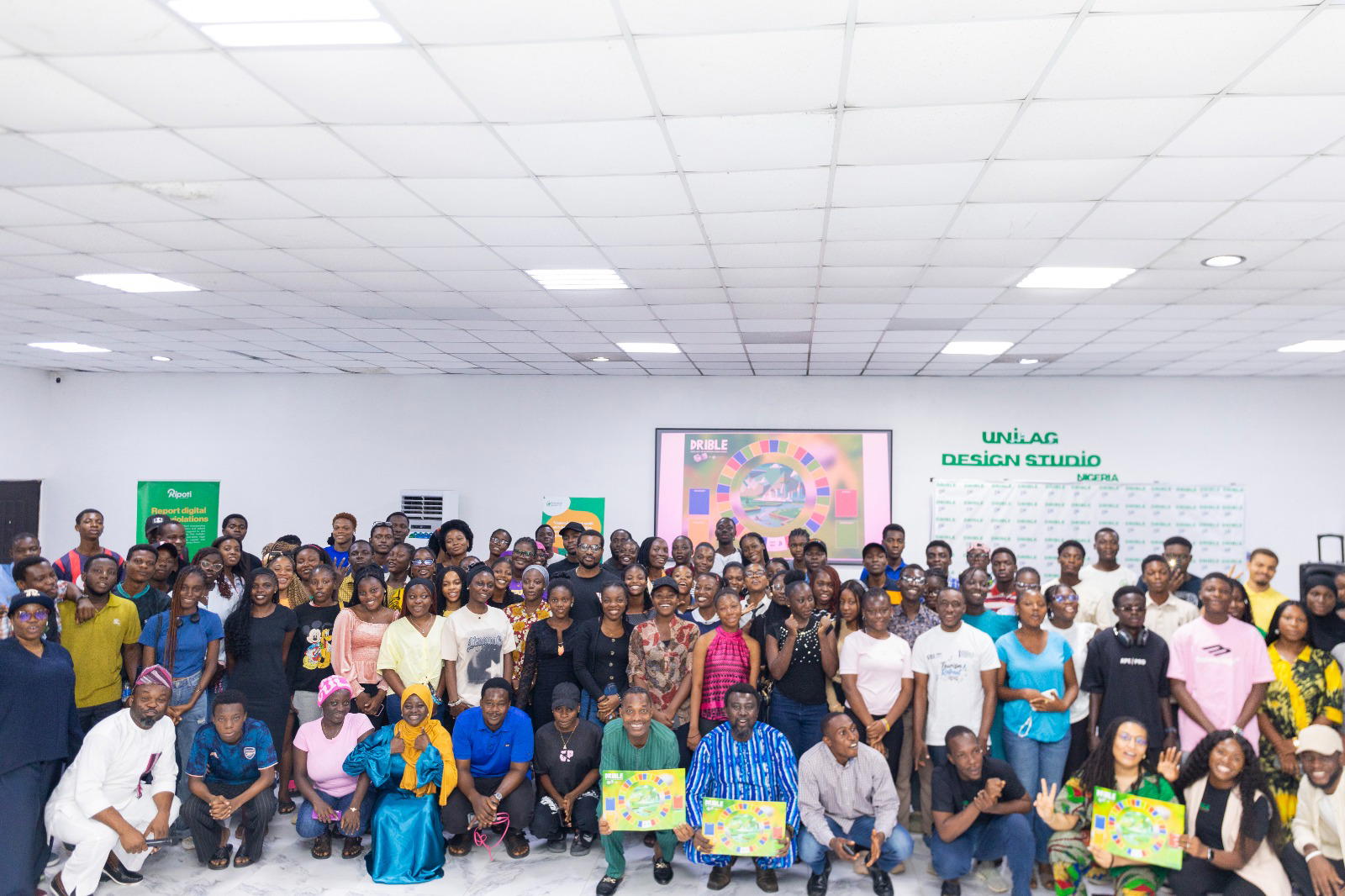
Sesan spoke at PIN’s launch of the Digital Rights and Inclusion Board Learning Experience, DRIBLE, at the University of Lagos, UNILAG, with support from Open Society Foundations, OSF.
He said: “There is no reason why any campus in Nigeria today, even those in villages, should not be connected by fibre. There is a Universal Services Provision Fund, USPF, for that. They (government) need to spend that money to lay fiber to campuses and rural areas.”
On DRIBLE, which is a board game, he said: “The basic idea is to create a fun learning experience for young people on a topic that they have to learn, which is digital rights and inclusion. They need to learn how to take advantage and get digital opportunities, and they need to learn how to protect their rights while they are online.
“A lot of people have already suggested that we take the game online, but we definitely want physical interaction. We want people to play the board game together. One of the problems that we have in this digital era is that everybody does everything online, limiting interaction. With this, we want to recreate that experience of consistently having conversations. PIN’s vision is to reach 20 million people through our Digital Inclusion and Digital Rights interventions. From Lagos, to Dakar, to Nairobi.”
Also speaking at the event, Chief Operating Officer of PIN, Nnenna Paul-Ugochukwu, said the goals of DRIBLE include improving learning experience, serving as a training tool and call to action.
Paul-Ugochukwu said: “It is a training tool we use to educate stakeholders. It is also a call to action. As people play the game, it becomes an experience that encourages them to discuss the challenges, opportunities, and issues that inspire action and advocacy for digital inclusion.
“We are starting with students because they are the leaders of tomorrow. They need to understand what is at stake and what the implications are. Since they are the future, and we are undergoing a digital transformation as a country, a continent, and a global community, they are the ones who will lead us forward.
“With students, we are able to reach the grassroots. We will translate the game into different languages. Currently, the game is available in English and French, but we also plan to translate it into Nigerian and other African languages.”
Speaking about the game, a 400-level student of law, Tiwalade Adekile, described DRIBLE as an eye-opener to how far some people were from accessing the internet.
Adekile said: “When you live in a place like Lagos, you do not realise how disconnected some other people are. You do not realise how difficult it is for some to even access the internet, let alone acquire skills or earn a living from it. That is something PIN has addressed very well with this board game. DRIBLE opens your eyes and mind to such realities.
“When compared to youths outside Nigeria, I think we are at a disadvantage in terms of access to digital infrastructure. But with the board game and the efforts by PIN, I believe this will gradually change.”
On his part, a 300-level student of mass communication, Emmanuel Oladipo, said: “In terms of digital literacy, DRIBLE makes learning enjoyable. It introduces people to essential concepts in a fun way. You learn a lot from the questions asked and the challenges within the game. It is a great educational tool.”
Meanwhile, the board game aims to build digital literacy, deepen understanding of online safety and introduce young individuals to the organisation’s tools of impact.
Currently being piloted in three universities: University of Lagos, Nigeria, the Catholic University of Eastern Africa, CUEA, in Nairobi, Kenya and the Dakar American University of Science and Technology, DAUST, in Dakar, Senegal, it will enhance interactions and create a holistic experience.
Disclaimer
Comments expressed here do not reflect the opinions of Vanguard newspapers or any employee thereof.