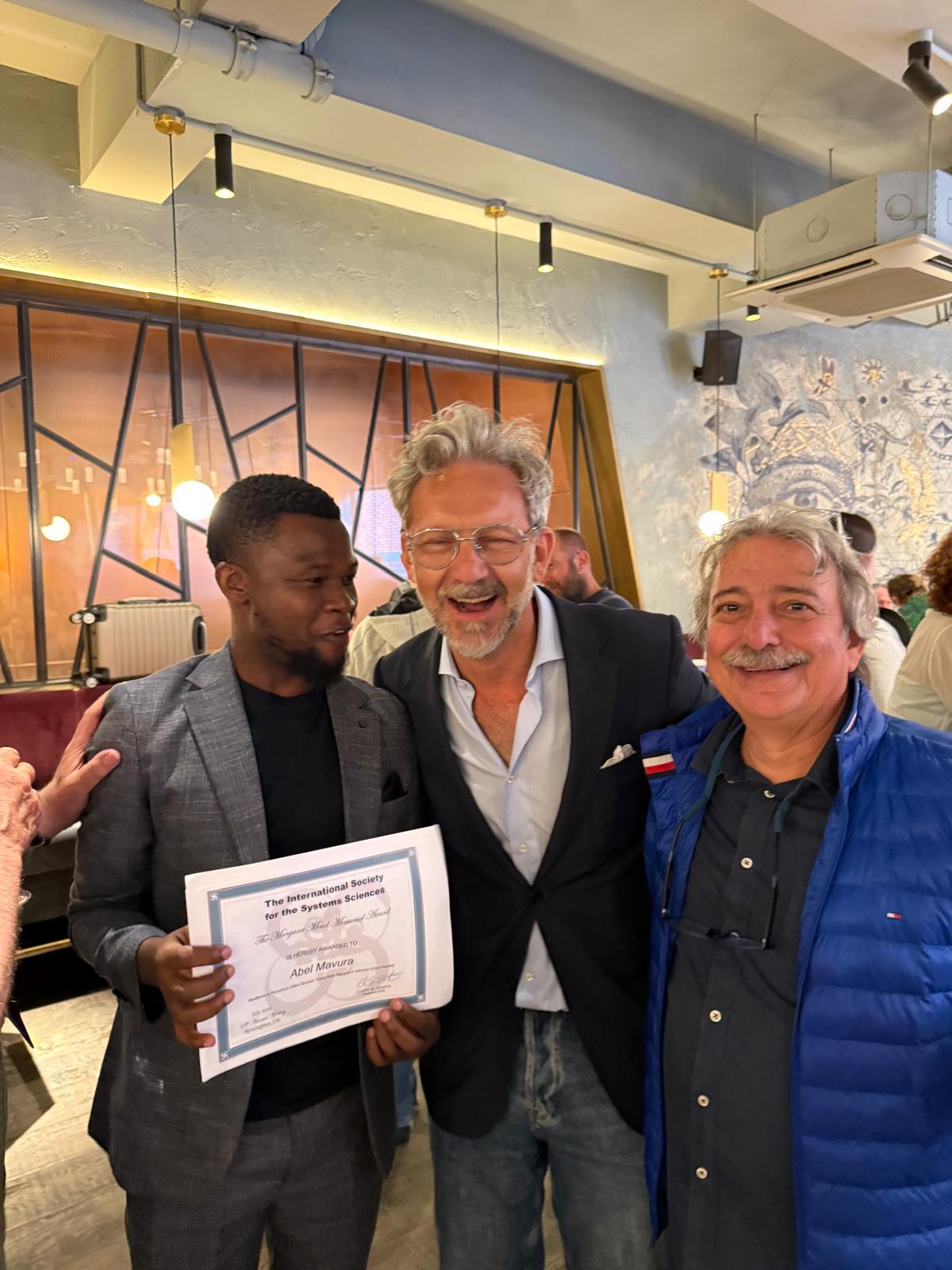
By Esther Onyegbula
Zimbabwean researcher Abel Mavura has won the 2025 Margaret Mead Memorial Award for best student paper, conferred by the International Society for the Systems Sciences (ISSS), for his groundbreaking study on how young male migrants in Paris navigate systemic exclusion through grassroots resilience.
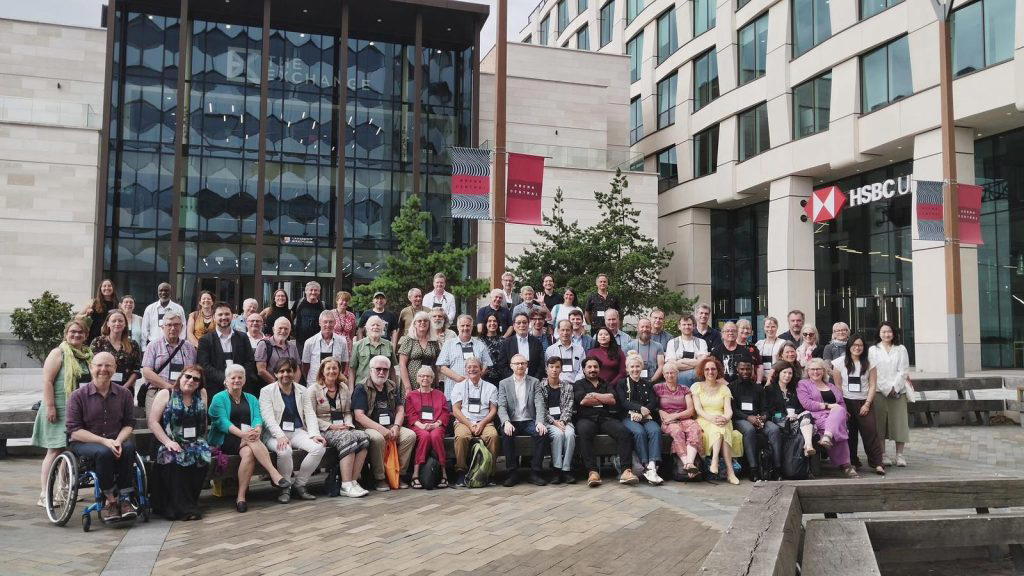
The prestigious award, announced on July 14 during the ISSS Annual Meeting at the University of Birmingham Leadership Institute, recognizes exceptional contributions to systems science by pre-doctoral researchers whose work aligns with the legacy of anthropologist Margaret Mead.
Mavura’s paper, titled “Resilience Among Young Male Migrants in Paris’ Informal Housing,” was praised by a panel of international scholars for its originality, analytical depth, and collectivist, culturally pluralistic approach to systems thinking. It explores the coping strategies of migrants living in marginalized urban spaces and their ability to foster solidarity and grassroots advocacy in the face of institutional neglect.
“This recognition underscores the value of inclusion and diversity in systems research,” Mavura said. “My work aims to amplify the voices of those often left out of development and policy discussions. I’m honored to contribute to a dialogue that challenges exclusion and champions equity.”
The award marks Mavura as the 13th recipient of the Margaret Mead Memorial Award, established in 2013 to honor emerging scholars who promote relational intelligence and community empowerment through interdisciplinary research.
A PhD researcher in global development, migration, and international affairs, Mavura’s work blends systems thinking, participatory methods, and urban studies. His research contributes to broader conversations on social justice, urban policy, and migrant inclusion, resonating strongly with Mead’s lifelong advocacy for cultural diversity and collaborative progress.
The ISSS, a global body dedicated to solving complex world problems through systemic approaches, described Mavura’s work as “a model of transformative scholarship” that addresses real-world challenges with academic rigor and ethical depth.
Disclaimer
Comments expressed here do not reflect the opinions of Vanguard newspapers or any employee thereof.