By Nwafor Sunday
Ilorin, Nigeria – A groundbreaking new study led by Sunkanmi Folorunsho has exposed a silent but urgent health crisis facing millions of older Nigerians: the widespread lack of access to dental care. As Nigeria’s aging population continues to rise and is expected to exceed 25 million by 2050, the study warns that the country’s healthcare system remains woefully unprepared to meet the oral health needs of its elderly citizens.
Published in Special Care in Dentistry, the study reveals how older adults across urban and peri-urban communities are enduring untreated pain, tooth loss, and diminished quality of life because of overwhelming barriers to dental care. These include high costs, long travel distances, physical limitations, inadequate infrastructure, and a severe shortage of trained geriatric dental providers.
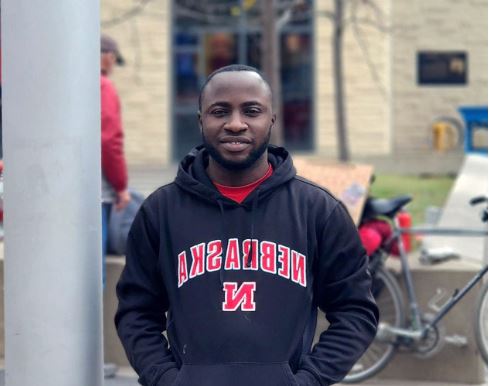
“In many cases, older adults are forced to choose between getting their teeth treated and buying essential medications or food,” said Sunkanmi Folorunsho, a sociologist and lead researcher based at the University of Nebraska–Lincoln. “One woman told us she gave up eating meat altogether due to dental pain, while others described skipping care entirely because they lacked someone to accompany them to the hospital.”
Conducted in Ilorin, North-Central Nigeria, the study used in-depth interviews with older adults aged 50 to 83 to highlight the real-world consequences of structural neglect.
Yet it also identified solutions. Participants spoke of the vital role of family support, the value of culturally sensitive health messaging, and the importance of integrating dental care into Nigeria’s primary health system.
Folorunsho and colleagues urge Nigerian policymakers to act swiftly. The study recommends expanding community-based dental clinics, subsidizing oral health services for older adults, including dental benefits in national health insurance schemes, and investing in workforce development to train providers in geriatric oral care.
“This is not just about oral hygiene,” Folorunsho emphasized. “It’s about dignity, nutrition, social participation, and the right to age well. Treating dental health as a luxury rather than a necessity perpetuates inequality among Nigeria’s most vulnerable citizens.”
The research arrives at a critical moment as health equity and population aging emerge as major policy concerns. By capturing the voices of older Nigerians and presenting evidence-based policy pathways, this study calls attention to a long-ignored issue hiding in plain sight.
“They come to ask about our blood pressure and malaria,” one participant remarked. “But nobody ever asks about our teeth.” That silence, Folorunsho and his team argue, must now be broken.
Disclaimer
Comments expressed here do not reflect the opinions of Vanguard newspapers or any employee thereof.