By Elizabeth Osayande
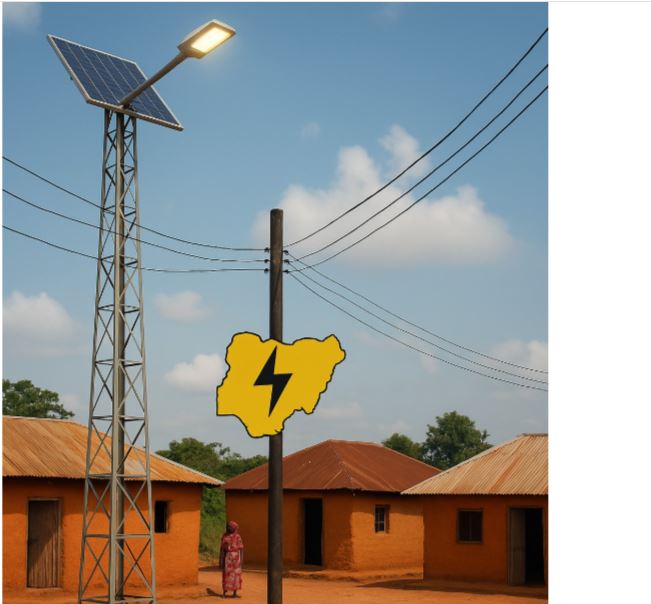
Despite years of strategic planning and investments in Nigeria’s power sector, millions of Nigerians—especially those in rural and underserved regions—still live without reliable electricity. The consequences are profound: stunted local industries, poor health outcomes due to non-functional medical equipment, limited access to digital learning, and weakened economic potential across communities.
Speaking on the above challenges, Victor Eniola—an expert known for his work at the Energy Commission of Nigeria and his sustained contributions to research and innovation in sustainable energy systems and smart grid technologies—shares insights on how to overcome the energy access crisis.
His Insights
While major cities struggle with grid instability, rural Nigeria faces an even more dire reality—either no electricity at all or irregular supply that hampers any form of sustainable development. The 2022 Nigerian Electrification Roadmap suggests that over 85 million Nigerians, or about 43% of the population, still lack access to electricity. This is unacceptable for Africa’s largest economy.
The Core of the problem includes: Ageing Infrastructure: Much of Nigeria’s transmission and distribution network is outdated and poorly maintained. Power losses due to technical faults and energy theft are rampant.
“Grid-Centric Approach: The country remains overly dependent on centralized grid infrastructure, which fails to serve remote and hard-to-reach communities.
“Policy Gaps and Bureaucratic Bottlenecks: Inconsistent energy policies, regulatory uncertainties, and prolonged approval timelines discourage private-sector participation and delay project execution.
“Insufficient Investment in Renewable Energy: Despite Nigeria’s abundant solar and biomass potential, clean energy deployment remains limited due to a lack of incentives, awareness, and financing structures.
A Path Forward: Strategic Recommendations
“Prioritize Decentralized Energy Solutions: The future of rural electrification in Nigeria lies in off-grid and mini-grid systems, particularly solar hybrid solutions. These are scalable, faster to deploy, and cost-effective in the long term. States like Kaduna and Ogun have made significant progress with solar mini-grids powering health centres and schools. These models must be scaled nationwide.
“Expand and Strengthen Public-Private Partnerships: To unlock Nigeria’s energy market, the federal government should incentivize independent power producers, IPPs through “clear regulatory frameworks, tax reliefs, and risk guarantees. Access to low-interest loans from development banks and institutions like the Rural Electrification Agency, REA must be expanded for energy start-ups and cooperatives.
“Establish an Energy Equity Framework: A national framework that ensures every Nigerian has a right to electricity, similar to health or education, is crucial. This would push government agencies and regulators to prioritize underserved areas and track metrics around electricity poverty.
“Localize Manufacturing and Skills Development: Nigeria must reduce reliance on imported solar panels, batteries, and inverters. By promoting local manufacturing hubs, we create jobs while lowering project costs. Furthermore, technical training programs in rural areas can empower youth to maintain and manage these energy systems.
“Leverage Data and Smart Technologies: Implementing smart metering, AI-based energy audits, and GIS mapping tools can improve energy distribution, reduce losses, and prioritize high-need communities.
These innovations must be incorporated into Nigeria’s national electrification strategy.
A Call to Action
“Electricity is not just an infrastructure need—it is a human right and a critical enabler of economic and social development. Solving Nigeria’s rural energy crisis requires a unified, data-driven, and decentralized strategy that prioritizes the last mile.
“As an engineer and stakeholder in Nigeria’s energy policy ecosystem, I believe now is the time for a national reckoning. We must shift our mindset from merely producing megawatts to delivering impact where it matters most. The government, private sector, and communities must work together to turn the lights on—for every Nigerian.”
Disclaimer
Comments expressed here do not reflect the opinions of Vanguard newspapers or any employee thereof.