By Ibrahim Hassan-Wuyo
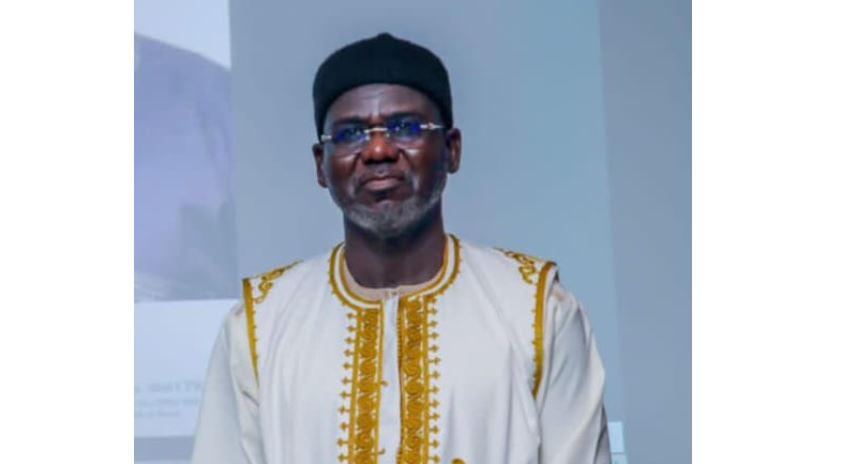
Former Chief of Army Staff, Lt. Gen. Tukur Yusufu Buratai (Rtd), has commended President Bola Ahmed Tinubu’s economic policies as the administration marked its second year in office.
Speaking in Lagos during a lecture titled “The Importance of the Media in Information Gathering and Disclosure Amid Security Challenges: The Achievements of President Bola Ahmed Tinubu and Other Barriers,” Buratai noted that the Tinubu administration has made commendable progress based on key economic indicators.
While acknowledging there is room for improvement, Buratai praised the thematic approach adopted at the recent Economic Summit held at the Presidential Villa, Abuja, describing it as a step in the right direction.
Buratai emphasized that Nigerian governors must intensify efforts to secure their respective states, stressing that the Constitution does not prevent them from playing an active role in security management.
“The Nigerian Constitution does not prohibit state governors from securing their states and their people,” he stated. “In fact, it grants them significant autonomy in decision-making, including on matters of security and governance.”
Citing constitutional provisions, he explained that Sections 4(7), 7(1), and 11 of the 1999 Constitution (as amended) give state governments a strong foundation for maintaining peace and order. He also pointed to Section 215, which grants governors the authority to direct state Commissioners of Police—albeit under federal oversight.
“While policing is federally controlled, states can establish complementary security outfits and coordinate efforts with federal authorities,” Buratai noted. “The ongoing constitutional review by the National Assembly to create state police is a step in the right direction.”
He called on governors to reevaluate their security strategies and invest in critical sectors like technology, education, infrastructure, and human capital development. “There is no amount of money spent on saving lives that is ever wasted,” he said. “The people must exist first before other essentials of living are considered.”
Touching on the theme of the lecture, Buratai underscored the vital role of the media in strengthening democracy and national security. He emphasized the need for a balanced relationship between the media and state actors to avoid compromising national interests.
“The media is not just a watchdog—it is a bridge between the government and the people,” he said. “A robust media landscape empowers the public with knowledge and holds power to account. However, irresponsible journalism can lead to unrest, economic damage, and loss of lives.”
He warned against silencing the press under the guise of national security, noting that doing so could lead to even more irresponsible journalism. “Balancing human rights with national security is a challenge, but one we must address with sincerity rather than hypocrisy,” he said.
Reflecting on his tenure as Chief of Army Staff (2015–2021), Buratai recalled fostering open communication with the media, including embedding journalists on operational tours and initiating the Nigerian Army Social Media Dialogue, which still runs quarterly.
In closing, Buratai urged all state governors to prioritize security through deliberate investments and coordinated efforts with federal agencies. “Security is foundational. Without it, progress in any other sector remains unattainable,” he emphasized.
Disclaimer
Comments expressed here do not reflect the opinions of Vanguard newspapers or any employee thereof.