By Onyeka Ezike
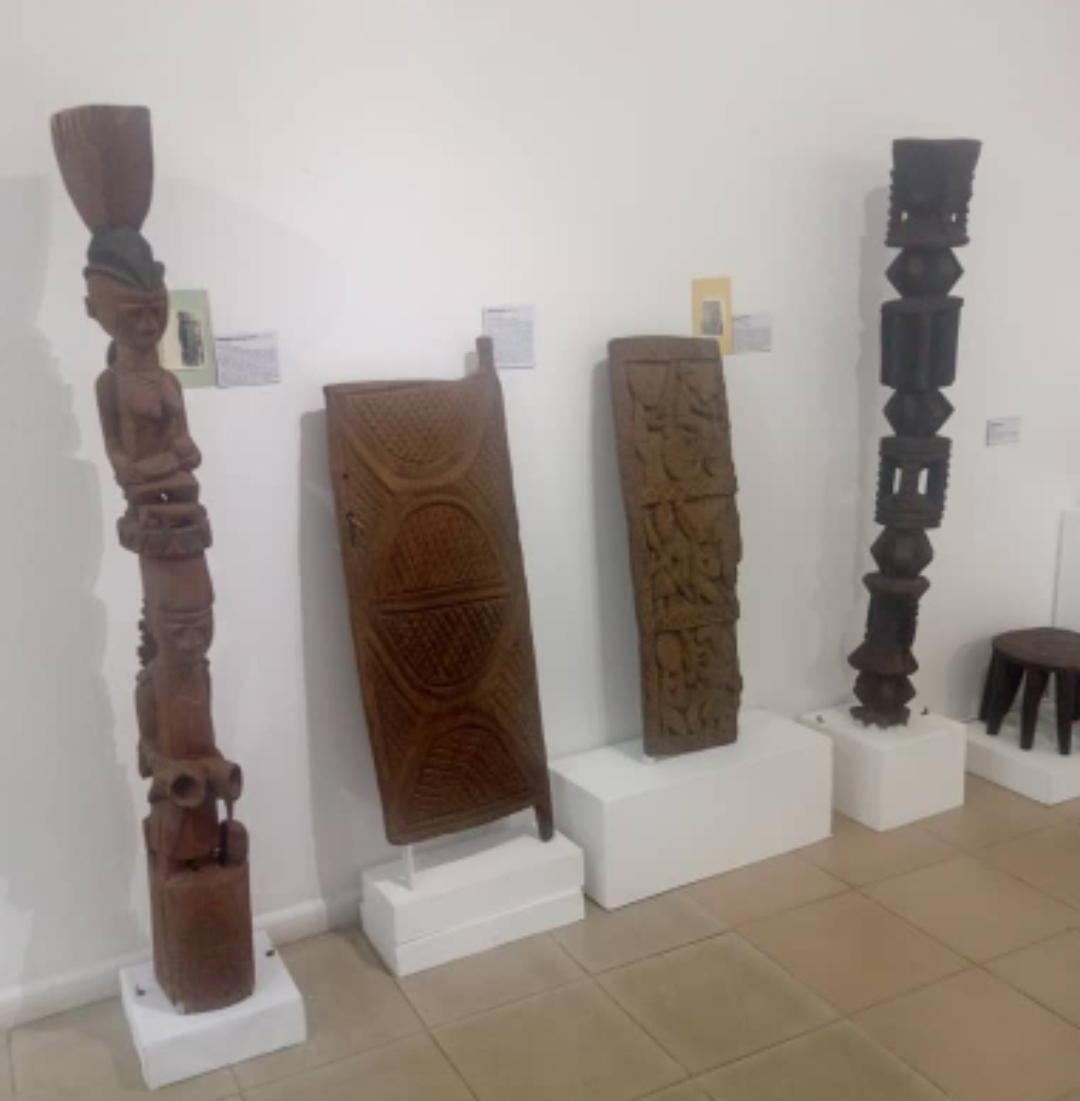
The National Commission for Museums and Monuments, NCMM, in collaboration with the Institut Francais de Recherche en Afrique au Nigeria (IFRA-Nigeria) have exhibited Nigeria’s alternative heritage with the theme, “Beyond the classical: Unveiling the unsung”.
The project seeks to preserve Nigeria’s alternative heritage and digitalize the exercise of archival materials. The event was held recently at the National Museum, Onikan, Lagos.
The theme of the exhibition was born out of Nigerian alternative heritage with the aim of making popular cultural heritage in museum collections that are unpopular, particularly those from minority groups, thereby giving the minority a voice. It also seeks to identify, promote, protect, and disseminate alternative heritage in Nigeria, referred as such because they have been forgotten over time and therefore risk being lost or going into extinction.
The works were divided into different categories, which include Fertility, Occupation, Warfare, Ancestral, Entertainment/Leisure, Household/Architecture, and Governance/Royalty — all drawn from the six geopolitical regions of Nigeria with diverse cultures.
After the rigorous selection and deselection process for several weeks by the exhibition team, a total of 64 priceless selected objects were exhibited. All the objects and artifacts have not been lauded or appreciated despite their existence.
Speaking at a press conference, Mrs. Nkechi Adedeji, the curator, said: “This project started in October 2024 as a result of our artifacts that are not popular. We had two teams, the art designer and the research team.”
She said as a people, we must encourage our children, friends, traditional leaders, and youth leaders to ensure our heritages are preserved for the unborn generation. The alternative heritage is the unpopular objects in our collection. “With the collaboration of IFRA-Nigeria, we decided to showcase these objects that are unsung, and we came up with the Nigeria Alternative Heritage and the initiative is to make these objects popular as against the classical objects that we know, like the Nok artifact, Igbo Ukwu artifact, Ife and others. In this exhibition, we had over 40,000 objects in our storage, and throughout the process, we selected over 100, and we streamlined them to 64 objects, which we are exhibiting in the hall today.”
The IFRA-Nigeria Director, Dr. Barbara Morovich, said, “The essence of the collaboration is to digitalize the alternative heritage objects and create a virtual museum for our Nigerian artifacts. We are digitalizing and collaborating with the National Museum. The project is important to us, because we see a future with this project, our collaboration with the National Museum is a strong one.”
The exhibition tells the story that reflects resilience, creativity, and the enduring spirit of communities often overlooked in the broader narrative of history. Some of the artifact at the exhibition include Ladi Kwali Pot, a coiled stoneware piece adorned with a lizard and finished with a dark, shiny glaze.
Ladi Kwali’s work uniquely blends traditional Gwari techniques with her personal artistic expression, featuring forms and motifs from her native region, including scorpions, crocodiles, snakes and fish. Her contribution has influenced a generation of potters and established her legacy as a pioneer of African ceramic art, earning her numerous national honours, including the distinction of having her image featured on the reverse side of Nigeria’s twenty-naira bank note.
Another artifact on exhibition was the Wooden Headdress (AGEMO). The Agemo is a representation of the Ijebu Imosan in Ogun State. Agemo is worn by the priest of the Agemo during the cult festival, which is celebrated during the sixth and eighth months of the year to appease the ancestors for community cleansing. The festival features musical performances with Esi and Aran-ofida drums.
The Fertility category shows the intimate connection between humanity and the earth, which is essential for a healthy pregnancy and birth, as well as for cultivating crops and ensuring a bountiful harvest.
Like the Afo Fertility Figure from Eluyi, Plateau, a seated wooden female figure with flappy breasts and a body engraved with body markings, the figure is kept in the ritual room of the village section. It is brought out during the dry season (in the seventh month) through divination for which brewed beer, foods and other sacrifices are offered. It is believed that the year would witness bountiful harvests, community well-being and healthy deliveries among pregnant women.
The Entertainment category reflects the essential purpose of entertainment. For hardworking individuals, it is needed to foster connections within the community.
Traditional entertainment enriches social interactions and cultural expression, allowing people to celebrate life’s achievements. Among Nigeria’s diverse tribes, various instruments and games play a vital role in creating an atmosphere of joy and unity, reflecting the rich cultural heritage of the people.
Some of these cultural entertainment instruments include the Idiochord raft zither (Ubo) from Adamawa, Nigeria, the Thumb piano (Kalimba), Ezze, Ebonyi, Goje (local zither) from Northern Nigeria.
The Warfare category showcases the traditional warfare objects, which have played a pivotal role in the history and culture of various Nigerian tribes, serving not only as a means of conflict resolution but also as a reflection of social values and communal identity. Some of the objects on exhibition were the dane gun and the cane shield.
Disclaimer
Comments expressed here do not reflect the opinions of Vanguard newspapers or any employee thereof.