…to launch e-portal before end of 2025
By Joseph Erunke, Abuja
The Federal Government has initiated steps to enhance ethical standards in the country’s health research proposal process, with the launch of an electronic ethics e-portal expected before the end of 2025.
This initiative represents a significant advancement in Nigeria’s efforts to strengthen health research governance and improve clinical regulatory and ethics oversight. Funded by the Gates Foundation, the project aims to align the country’s research ethics framework with global best practices.
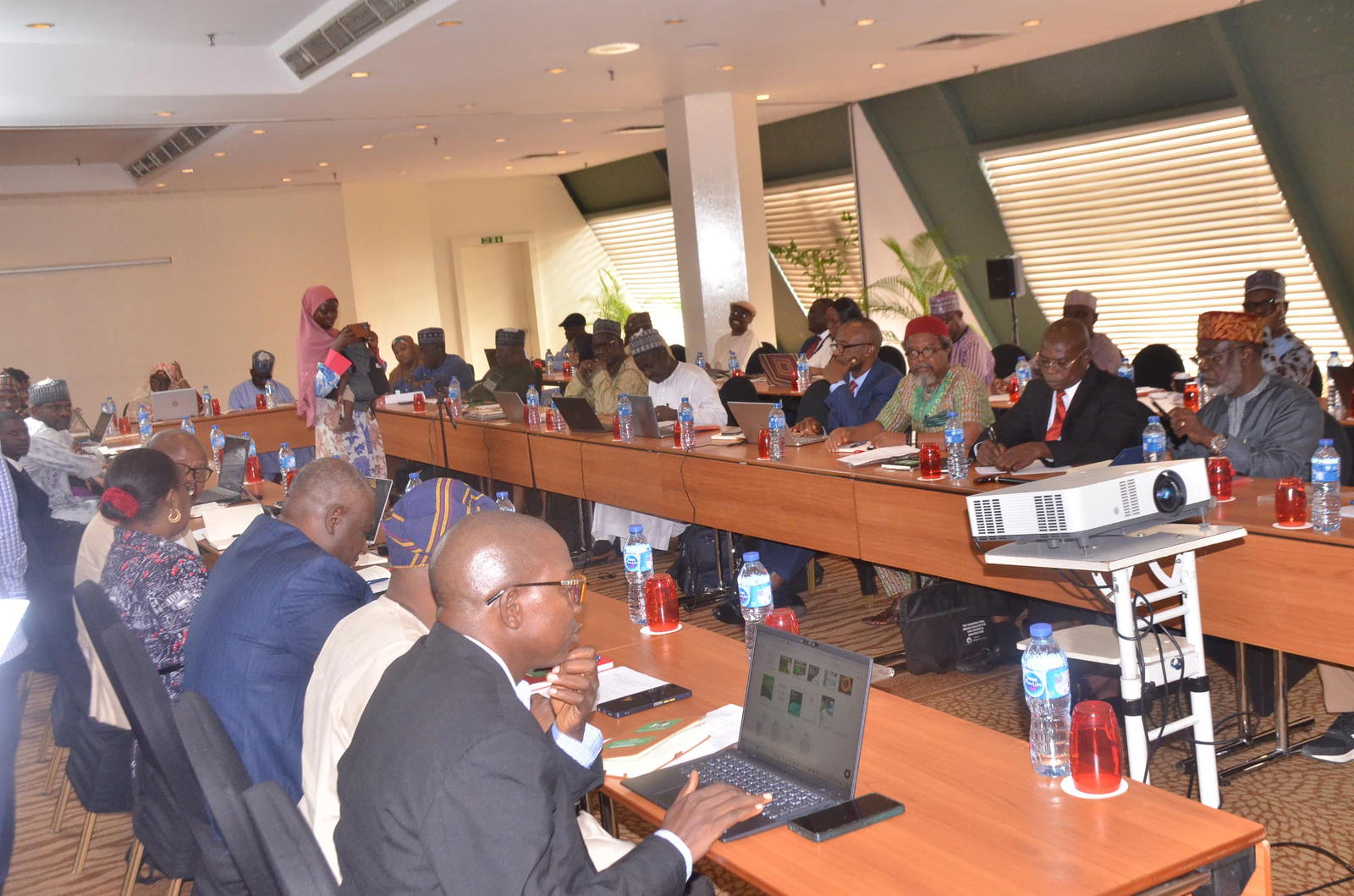
Minister of State for Health and Social Welfare, Dr. Iziaq Adekunle Salako, disclosed this during his opening remarks at a two-day training workshop on the Electronic Ethics E-Portal Proposal Submission System and National Standardization Sensitization, held in Abuja.
The workshop, organized for members of the National Health Research Ethics Committee (NHREC), focused on training participants on the use of the new e-portal, discussing the national standardization of ethics review processes, and building capacity for more rigorous and efficient ethical reviews.
The electronic platform, developed by the U.S. Centers for Disease Control and Prevention (CDC) with technical support from PHIS3 and funding from the Gates Foundation, is expected to streamline the proposal submission and review process across national, state, and institutional research ethics committees.
Speaking through Dr. Kamil Shotirere, Director of Health Planning, Research and Statistics at the Federal Ministry of Health, the Minister emphasized that the e-portal would improve efficiency, transparency, and accountability in research protocol submission and review.
“The e-portal is expected to be launched before the end of the year. After this training, we will conduct a test run to ensure everything works effectively before officially rolling it out,” Salako said.
He outlined key benefits of the system, including reduced turnaround times, improved tracking and monitoring, enhanced stakeholder collaboration, and increased accessibility for researchers.
Chairman of NHREC, Prof. Richard Adegbola, expressed appreciation to the U.S. CDC and PHIS3 for their technical and financial support, and to the Gates Foundation for funding the initiative under the Africa Clinical Trial Regulatory and Ethics Optimization Project.
“Today marks a milestone in modernizing ethical oversight. This workshop is designed to equip participants with proficiency in using the e-portal and to harmonize national standards for ethical protocol submissions,” Adegbola said. “The system represents a gateway to efficiency, transparency, and accountability.”
He added that the e-portal would make proposal submissions easier and more inclusive: “Researchers will be able to submit proposals from anywhere, without relying on personal contacts within the Ministry of Health.”
Dr. Lola Adeyemi, Special Adviser to the Minister on Research and Innovation, said the session brings together key stakeholders to strengthen capacity and drive the national standardization agenda in research ethics review.
“This convening marks a major milestone in Nigeria’s digital transformation in health research governance and positions NHREC as a regional leader in ethics innovation and regulatory transparency,” she stated.
In a goodwill message, Dr. Collins Mitambo, Program Manager at Garnet Partners, representing the Africa Clinical Trial Regulatory and Ethics Optimization Project, highlighted the importance of robust regulatory systems in building trust in medical research.
“The future of public health and medical innovation in Africa depends on conducting scientifically sound and ethically robust research. This two-year project reflects a commitment to ensuring efficient, predictable, and transparent clinical trial review processes,” Mitambo said.
Disclaimer
Comments expressed here do not reflect the opinions of Vanguard newspapers or any employee thereof.