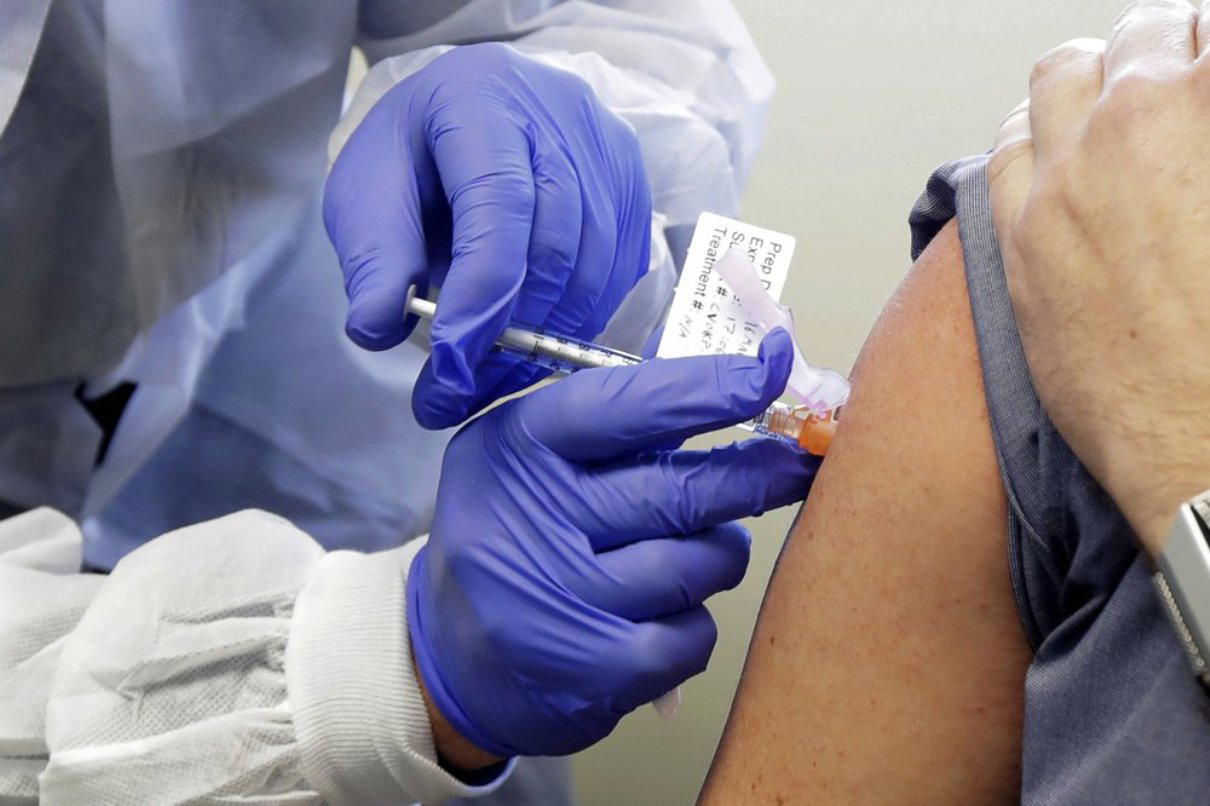
…As World Immunisation Week flags in Ita-Elewa PHC
By Sola Ogundipe
In a strong show of commitment to child health, over 150 nursing mothers gathered at the Ita-Elewa Primary Healthcare Centre (PHC) in Ikorodu Local Government Area (LGA) for the flag-off of the 2025 World Immunisation Week.
The event, themed “Immunisation for all is humanly possible”, spearheaded by the Lagos State Primary Health Care Board in collaboration with Save the Children International and other partners, aims to boost vaccination rates in Ikorodu, which has one of the highest numbers of unvaccinated and partially vaccinated children in the state.
At the flag off, health officials highlighted the unique challenges hindering optimal child immunisation rates in the area, contributing to a higher number of “zero-dose” children. Factors such as hard-to-reach communities, competing priorities of caregivers, nomadic populations, and socio-cultural issues were identified as obstacles.
The Permanent Secretary of the Lagos State Primary Healthcare Board, Dr Ibrahim Akinwumi Mustapha, noted that Ikorodu has one of the highest numbers of children who have never been vaccinated.
“We celebrate this World Immunisation Week with support from Save the Children, Pathfinder, CHAI, and the National Primary Health Care Development Agency (NPHCDA) to reduce the 20 percent of children who have either not completed their vaccinations or have never been vaccinated at all. “Our children are our tomorrow, immunisation is tested to be safe and is free in the state,” he emphasized, urging mothers to always immunise their children against preventable diseases.
Speaking at the flag-off, the Policy and Advocacy Coordinator, SCI, Dr. Itunu Dave-Agboola, said the long-term goal is to eliminate zero-dose children in the State.
“We are here to support Ikorodu LGA at Ita Elewa PHC to ensure that we reach children who have never been vaccinated and children who have not completed their immunisation schedule.
“Collaborating with the Lagos State Primary Healthcare Board has been very fruitful because we were able to leverage their strength to pull off this activity.
The Chief of Party for the GSK-funded Improving Immunisation in Nigeria project, for Save the Children International, Dr Olatunde Adesoro, elaborated on the benefits of vaccination, explaining that it prevents childhood killer diseases, allowing children to grow and develop well.
“The zero-dose children are those who have not received even a single dose of vaccine. The chance of survival of such children is so little when diseases strike so we really encourage governments, caregivers and mothers to wake up to their responsibility and make sure that every child is vaccinated.”
On her part, the Deputy Country Director and Director of Programme Development and Quality at Save the Children International, Jane Magi Mutua, said that no child should die before their fifth birthday from preventable causes, and vaccination is one of those ways of preventing those diseases.
“When we did our analysis in Lagos, 80 percent of children are vaccinated, which is really good, that is eight out of every 10. But there are the two out of every 10 who are not either fully immunised or they have never been immunised, so they are zero-dose children, and that’s why we are working here with a programme called BOOST.
“The BOOST programme, funded by GSK, aims to delve deeper into the reasons behind this gap. The idea behind the project is to understand why children are not being immunised, develop strategies to drive immunisation to reach those children who are either in hard-to-reach areas or whose parents are hesitant, and test those strategies so they can also be used elsewhere, including in other locations,” Jane explained.
She emphasized the significance of the World Immunization Week, echoing the global theme: “Immunization for everyone is humanly possible, and we believe that is possible.”
Speaking specifically about Ikorodu and Alimosho, Jane identified key reasons for low immunisation rates. “In Ikorodu and Alimosho, some of the identified reasons are hesitancy, vaccine safety concerns, and also there are competing priorities. For example, mothers are here with their children, but these mothers have businesses to run, so it’s an opportunity cost to close their business and go to the health facilities. So there is an aspect of poverty, there is an aspect of hesitancy, and there is also an aspect of religion.”
To gain a clearer understanding of these factors, Save the Children International is undertaking research. “One of the things we are doing as part of this project is actually research to understand what those reasons are so that we are developing strategies that are specific to the reasons why these children are not being immunised.”
Jane stressed the importance of completing the full immunisation schedule. “It is important that children are immunised fully because different antigens deal with different diseases. So even if you do the first one, it means you’re not fully protected. That is why the antigens are different because they’re all dealing with different diseases. So it’s important to go through the whole retinue and the whole routine to ensure that your child is fully protected against vaccine-preventable diseases.”
The insights shared during the flag-off event underscore the need for tailored interventions to address the specific challenges faced by communities within Ikorodu to improve child immunisation rates and reduce the number of zero-dose children.
In Ikorodu and Alomosho, some of the identified reasons are hesitancy, vaccine safety, and also there is competing priorities. For example mothers are here with their children but these mothers have businesses to run so it’s an opportunity cost to close their business and go to the health facilities so there is an aspect of poverty there is an aspect of hesitancy and there is also an aspect of religion.
One of the things we are doing as part of this project is actually a research to understand what those reasons are so that we are developing strategies that are specific to the reasons why these children are not either immunized
It is important that children are immunized fully because different antigens deal with different diseases so even if you do the first one it means you’re not fully protected that is why the antigens are different because they’re all dealing with different diseases so it’s important to go through the whole routine to ensure that your child is fully protected against the vaccine preventable diseases.
Disclaimer
Comments expressed here do not reflect the opinions of Vanguard newspapers or any employee thereof.