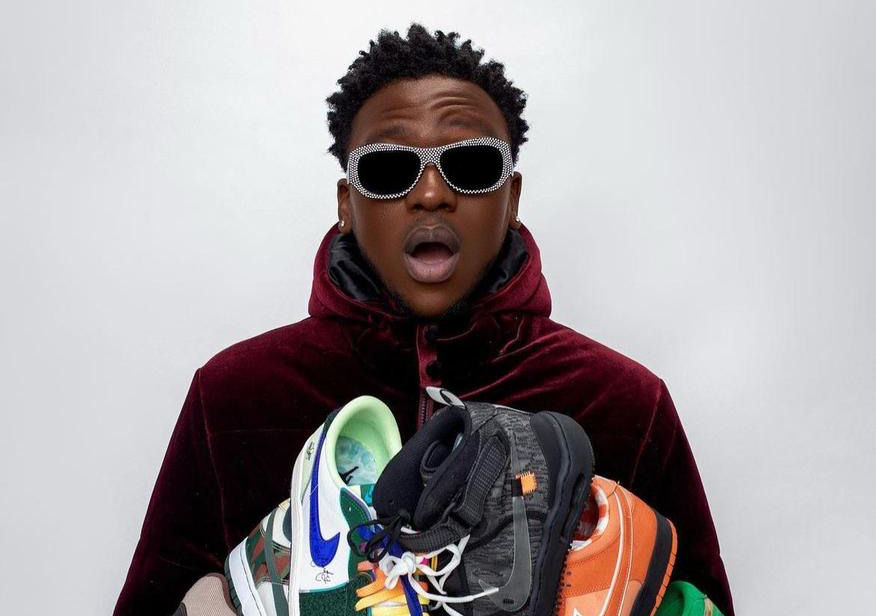
Sneakers in Nigeria are no longer just about style or comfort—they’re a currency, a status symbol, and for many, a full-time hustle. The resale market has exploded, turning limited-edition releases into high-value assets. For sneaker lovers and entrepreneurs alike, success in the game is all about timing, exclusivity, and understanding what holds long-term value.
“The sneaker resale game is not just about flipping shoes; it’s a cultural economy,” says HorlarofLagos, a leading voice in Nigeria’s sneaker and streetwear scene. “People see sneakers as assets now—like stocks or crypto.”
Scarcity and hype drive the demand, with major brands like Nike, Adidas, and New Balance dropping limited releases that sell out in minutes. For those who miss out, resellers become the only option, offering the latest drops at premium prices.
“The resale market is what keeps sneaker culture alive,” HorlarofLagos explains. “We’ve built a system where people are willing to invest heavily in sneakers, not just for fashion, but for status and financial gain.”
HorlarofLagos has played a direct role in shaping Nigeria’s sneaker ecosystem. His collaborations with Nike and Converse, in partnership with LayerX, weren’t just about selling shoes—they created cultural moments. His limited-edition Nike collab, featuring 150 custom hand-painted pairs, sold out instantly. His Converse drop was even bigger, with over 400 pairs snapped up by eager buyers.
“It wasn’t just about the shoes—it was about the story behind them,” says Olamide Akintola, a streetwear journalist. “People wanted to be part of that experience.”
The boom in sneaker reselling has also led to underground markets where rare pairs are flipped for huge profits. “Some people make more than ₦1 million monthly from sneaker flipping,” HorlarofLagos reveals. “It’s a serious hustle.”
Beyond selling sneakers, he’s been instrumental in sneaker maintenance culture. For nearly two years, he served as an ambassador for Shoelab, Nigeria’s biggest sneaker care brand. “What’s the point of buying a ₦500,000 sneaker if you don’t know how to maintain it?” he says. Through Shoelab, he helped educate sneaker lovers on keeping their collections fresh, proving that sneaker culture isn’t just about buying—it’s about sustaining value.
Despite its success, sneaker reselling remains controversial. Critics argue that it makes sneakers inaccessible to everyday buyers. Fashion analyst Chidi Okonkwo notes, “Sneakers were once about passion—now they are a status symbol. Resellers have made it almost impossible for the average person to buy at retail.”
HorlarofLagos acknowledges the concern but believes reselling is essential to the culture. “Yes, prices can get ridiculous, but at the same time, reselling keeps the ecosystem alive.”
As Nigeria’s sneaker scene continues to grow, one thing is clear: it’s no longer just about what’s on your feet—it’s about what those sneakers represent. “Nigeria has the demand, the culture, and the influence. Now, we need the recognition,” HorlarofLagos concludes.
With local sneakerheads leading the charge, the future of Nigerian sneaker culture isn’t just promising—it’s unstoppable.
Disclaimer
Comments expressed here do not reflect the opinions of Vanguard newspapers or any employee thereof.