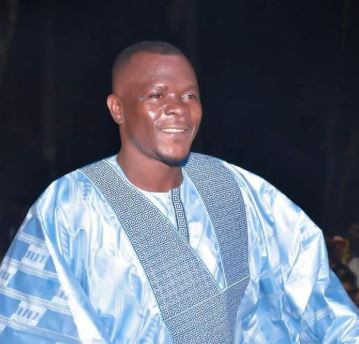
A Rich Musical Heritage and Cultural Identity
Born Habib Fatako Kouyaté, he is one of the most prominent figures in Guinean pastoral music. The son of the legendary Sékouba Fatako, he grew up in an environment filled with music, storytelling, and traditions. From a young age, he accompanied his father on tour, developing a deep connection with the melodies and rhythms of the Peul people.
Hailing from Middle Guinea, Habib Fatako proudly carries forward the Peul musical heritage, a style that narrates the stories of nomadic life, celebrates social values, and highlights the realities of his community. His mastery of the n’goni, an emblematic griot instrument, along with his unique vocal talent, allows him to modernize this music while staying true to its roots.
Early Career and Rise to Success
From his first compositions, Habib Fatako captivated audiences with his powerful voice and profound lyrics, exploring themes of love, peace, and social issues. His album “Fow Fotali” was a turning point in his career, blending pastoral melodies, traditional rhythms, and modern influences. This project earned him national recognition and cemented his place as a key figure in Guinean pastoral music.
His breakthrough came with the hit “Yangaylan”, which achieved widespread success and confirmed his status as an accomplished artist. Habib credits this success to hard work and deep reflection on audience expectations. He draws inspiration from the tranquility of Kouria (Coyah), where he resides with his family, a place conducive to creativity and artistic reflection.
A Journey Marked by Resilience
In October 2016, at the height of his rising career, Habib Fatako was involved in a serious road accident in Dalaba. This tragic event temporarily halted his progress, sparking an outpouring of support from fans and the artistic community.
However, true to his resilient nature, he returned to the stage stronger and more inspired than ever. The accident only reinforced his determination to carry Guinean music beyond borders and convey a message of resilience and hope through his art.
A Meaningful and Engaged Repertoire
Habib Fatako’s music is more than just entertainment; it serves as a cultural and social transmission tool. His songs explore major themes of peace, love, and identity.
In “La Paix en Guinée”, he calls for dialogue and harmony among communities, emphasizing unity. His lyrics beautifully illustrate family values and human relationships, making his music deeply relatable. Proud of his heritage, he modernizes pastoral music to make it accessible to younger generations.
His collaborations, including his duet with Malick Fadal on “Taghado Kokongol”, demonstrate his artistic openness and his desire to enrich his repertoire through cultural exchanges.
Digital Presence and Cultural Influence
Recognizing the power of digital platforms, Habib Fatako leverages social media and streaming services to reach a broader audience. YouTube, Facebook, Apple Music, and Spotify are now essential tools for sharing his music and connecting with his fans.
With hits like “Yangaylan”, “Hotiren Timbi Madina”, and many others, he continues to captivate music lovers worldwide. His influence extends beyond Guinea, helping him unite the Guinean diaspora and promote Peul culture on the international stage.
An Inspiring Artist and a Legacy to Preserve
Habib Fatako is more than just a singer; he is a custodian of memory, a guardian of tradition, and a leading voice of Peul culture. His commitment to preserving Guinean musical heritage and his ability to convey authentic and profound emotions make him a truly unique artist.
Married and a father, he balances his music career with entrepreneurial ventures, investing in construction projects and cultural influence. He is dedicated to structuring his career to ensure the longevity of his art and expand his impact both in Guinea and abroad.
His journey, marked by talent, resilience, and passion, makes him one of the most respected and influential artists in Guinean music. With every new song, he continues to write the musical history of his country and inspire future generations.
Disclaimer
Comments expressed here do not reflect the opinions of Vanguard newspapers or any employee thereof.