By Gabriel Ewepu
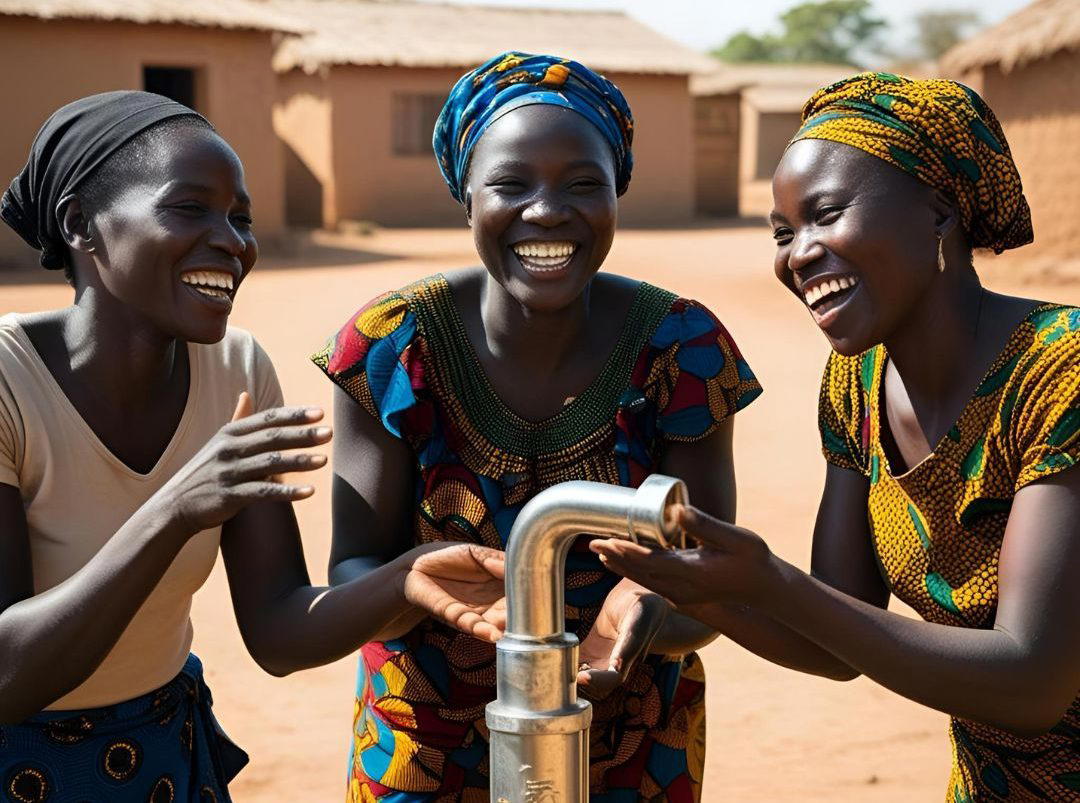
ABUJA – A Civil Society Organization, CSO, Self Help Africa, Nigeria, Friday, demanded inclusion of women in the Water Sanitation and Hygiene, WASH, decision-making processes based on their population and huge responsibility to maintain a healthy society.
The call was made by the Country Director of Self Help Africa, Nigeria, Joy Aderele, while expressing deep concern on the way women are treated in the WASH sector, despite their enormous responsibility for water collection, and they play a central role in household sanitation and hygiene management, especially in Nigeria.
Aderele said: “But when it comes to leadership, technical roles, and decision-making, their presence is far less visible. As the world commemorates Women’s Month, it is imperative that we use this moment to reflect on this imbalance and explore ways to change it.
“UN Water report found that less than 20 per cent of water sector employees are women, and in many countries, female representation in WASH-related engineering and management roles is even lower.
“In Nigeria, for example, where women constitute nearly half of the population, only a very small fraction are involved in Science, Technology, Engineering, Mathematics (STEM), and leadership roles.
“This disparity is even more pronounced in WASH-related decision making where men largely dominate leadership positions, despite women being the primary users and managers of WASH services at the household level.As an organisation committed to addressing unique WASH challenges faced by underserved communities, we witness firsthand the gender disparity in the communities we work with.”
She also queried, “Why does gender disparity even exist In WASH? From a political angle, gaps in the mainstreaming of gender in national and state WASH policies contribute to the exclusion of women in decision-making roles. And while some policies acknowledge gender, there is often insufficient implementation and enforcement mechanisms, political will, and dedicated funding to implement them effectively.
“From an economic perspective, financial constraints, wage gaps, and limited access to funding opportunities create barriers for women entering WASH-related fields. Many women lack the financial resources to pursue STEM education or the technical training required for leadership roles in WASH.
“Additionally, a lack of gender-sensitive workplace policies further discourage women from engaging in the sector. This, coupled with limited access to mentorship for women in STEM fields creates hesitancy among young women to pursue WASH-related courses. Socially and culturally, deep-rooted cultural and societal perceptions continue to shape who is considered ‘fit’ for leadership and technical roles. WASH-related engineering, infrastructure development and policy-making are still often seen as male-dominated spaces, reinforcing the notion that such roles are ‘not for women.
“Closing the Gender Gap in WASH: Considering that women and girls are disproportionately affected by the lack of access to safely managed WASH services, deliberate action is needed to mitigate this. But how? For one, the government could go beyond encouraging the inclusion of women in the sector to institutionalising it.
“Setting clear targets for women’s representation in decision-making and allocating dedicated funding to support their leadership in the sector is essential to closing the gap.
“Investment in gender-responsive funding mechanisms — such as scholarships, microfinance initiatives and grants for women-led WASH projects or businesses — must also be prioritised to address the economic barriers.
“In addition, organisations should actively recruit, retain and promote women in WASH leadership and technical roles while creating safe and enabling work environments.As far as the cultural barriers are concerned, shifting norms may be a long game but it is worth the effort.
“Deliberate advocacy, mentorship, community engagement and even public awareness campaigns can challenge gender stereotypes and encourage more women to specialise in these roles.
“Men also have a part to play in this process, as their active participation as allies will be instrumental in achieving this.SHA Nigeria, through the £5 million WASH Systems for Health (WS4H) programme funded by the United Kingdom’s Foreign Commonwealth Development Office (FCDO), is actively mainstreaming gender in WASH by strengthening women’s leadership in community WASH governance.
“This includes ensuring women are actively involved in decision-making processes, advocating for inclusive policies that promote their full participation at all levels, and strengthening partnerships with organisations like the Network of Female Professionals in WASH (FeminWASH) to amplify women’s voices in the sector.
However, according to her, significant progress has already been made, particularly in the ongoing review of the Cross River State Water Supply Policy, where gender inclusion is being prioritised.
She also added that similarly, the formation and training of the State and Local Task Groups on WASH in Cross River and Kano is helping to institutionalise gender-inclusive WASH governance, ensuring that women are not just beneficiaries but key decision-makers in shaping the future of WASH systems.
“IWD serves as a powerful reminder for us, women and men alike, to take swift and decisive steps to address the systemic barriers and biases that women face in their personal and professional lives. This way, we can ensure that the world is a much better place for all.”
Disclaimer
Comments expressed here do not reflect the opinions of Vanguard newspapers or any employee thereof.