By Demola Akinyemi, Ilorin
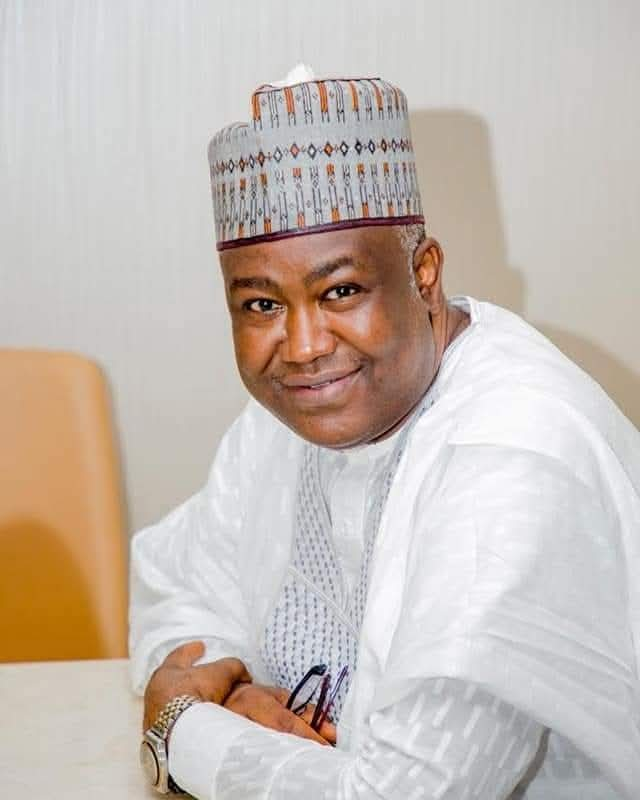
A six-year-old video featuring former presidential candidate and businessman, Gbenga Hashim, has resurfaced online, sparking a heated debate on Twitter and rekindling discussions about Nigeria’s economic future.
In the video, Hashim outlines his ambitious economic vision for Nigeria, aiming to achieve a minimum Gross Domestic Product (GDP) of $4 trillion within a decade.
He also described Nigeria’s economy as Mickey Mouse Economy.
According to him, Nigeria’s GDP is too small for 200 million population and even if saints are ruling Nigeria, it’s still going to be a poor nation. He proposed a $4trillion GDP in 10 years to make Nigeria a middle income country alongside Turkey, Singapore and others.
His proposals focus on reducing Nigeria’s dependence on oil, leveraging its vast agricultural and solid mineral resources, promoting industrialization, and improving the business environment.
The hashtag “Mickey Mouse Economy” is currently trending on Twitter, with many Nigerians expressing admiration for Hashim’s foresight and strategic insight. Critics of the government are using the hashtag to highlight the disconnect between political promises and the harsh realities faced by everyday Nigerians.
“Gbenga Hashim’s economic plan is a blueprint for Nigeria’s economic transformation,” said Abdullahi Ado, a Twitter user. “His ideas are innovative, practical, and worthy of consideration by policymakers who are seeking real solutions to our economic challenges.”
The debate has sparked a call for accountability and a rethink of Nigeria’s economic strategies. Many Nigerians are frustrated with the current economic trajectory and are drawing parallels to Hashim’s ambitious vision.
As discussions continue to evolve around Nigeria’s economic challenges, Hashim’s proposals are likely to play a pivotal role in shaping the narrative. The fact that his ideas, even after six years, have garnered significant public interest underscores a yearning for innovative approaches to governance and economic policy.
The “Mickey Mouse Economy” debate is expected to persist, further pressuring policymakers to engage with ideas that can lead Nigeria toward a resilient and diversified economy.
Disclaimer
Comments expressed here do not reflect the opinions of Vanguard newspapers or any employee thereof.