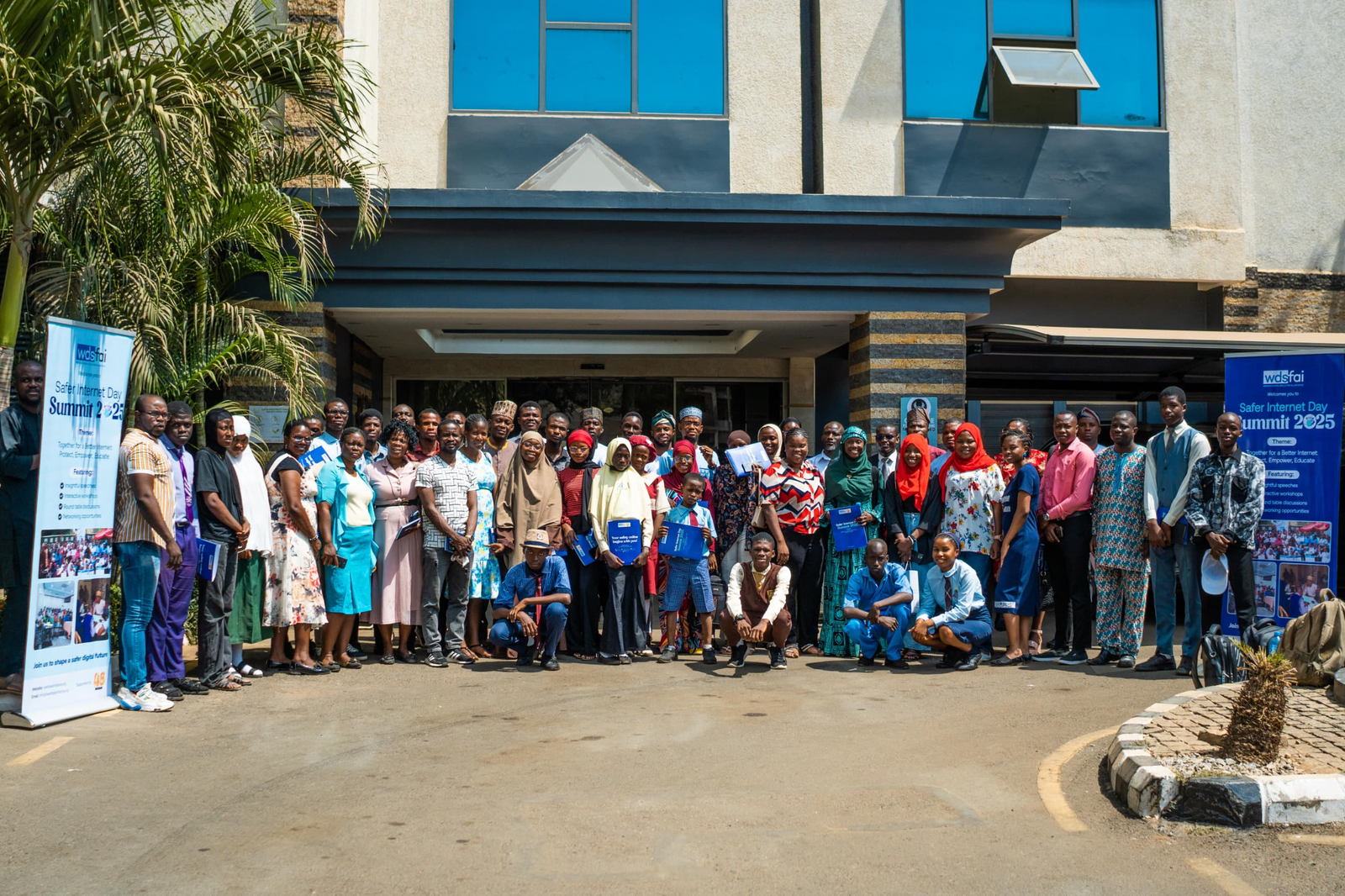
Photo of participants at a summit organised in ilorin by Webfala Digital Skills for All Initiative (WDSFAI)to commemorate this year’s safer internet day .
By Demola Akinyemi, ilorin
As Nigeria joins the rest of the world to mark the 2025 Safer Internet Day, stakeholders have called for stronger actions to protect children and young people from online dangers, even as experts harped on the need for stricter digital policies, increased parental guidance, and stronger cybersecurity measures.
They spoke on Tuesday, February 11, at a summit organised in Ilorin, the Kwara State capital, by Webfala Digital Skills for All Initiative (WDSFAI) to commemorate this year’s Safer Internet Day with the theme ‘Together for a Better Internet: Protect, Empower, Educate.’
Attended by digital enthusiasts, members of civil society, media professionals, parents, teachers, and children, the summit provided a platform to discuss critical issues relating to the safe and positive use of digital technology, particularly among children and young people.
Celebrated in February of every year, Safer Internet Day aims to raise awareness about online challenges and to promote the safe use of digital technology.
Speaking at the summit, a Digital Rights advocate and child safety advisor, Wale Bakare, highlighted the importance of safe online practices to protect personal information, recognise cyber threats, and navigate the digital space securely.
He stressed the need for collaborative efforts among governments, school authorities, teachers, and parents to mitigate online risks and create an enabling online environment where children and young people can use the internet safely.
Bakare explained that while the digital age presents ample opportunities for children, it also poses challenges such as cyberbullying, cyberstalking, exposure to inappropriate content, and online predators.
While advocating for digital literacy programmes in schools to equip children with essential online safety skills, the digital rights advocate noted that teachers and parents have critical roles to play in guiding and helping their children use the internet safely and responsibly.
“Empowering individuals with the right knowledge is the first step toward creating a safer internet for everyone. This is why it is important for teachers and parents to learn about the dangers associated with digital platforms and educate their children about online safety,” he added.
Bakare also encouraged parents and teachers to foster critical thinking among children and also engage in open discussions with them, which he said, would allow the children to talk to them about their experiences online.
In her keynote address, a US-based digital trust leader and AI governance expert, Amaka Ibeji, who joined the summit virtually, spoke on the role of Artificial intelligence in enhancing cybersecurity.
She emphasised that AI-powered tools can help detect harmful content, flag potential cyber threats, and improve digital safety mechanisms.
Ibeji also advocated for fostering leadership, critical thinking, and ethical digital citizenship among young people, urging them to become problem-solvers and responsible users of technology.
“By fostering leadership, critical thinking, and responsible online behaviour, we can empower the next generation to drive meaningful change and create a better digital future for all,” she noted.
The AI governance expert also encouraged young people to explore careers in AI, cybersecurity and data protection, so that they can play active roles in strengthening internet safety in Nigeria and globally. “We need passionate young minds to shape the future of internet safety,” she added
Disclaimer
Comments expressed here do not reflect the opinions of Vanguard newspapers or any employee thereof.