By Gabriel Ewepu
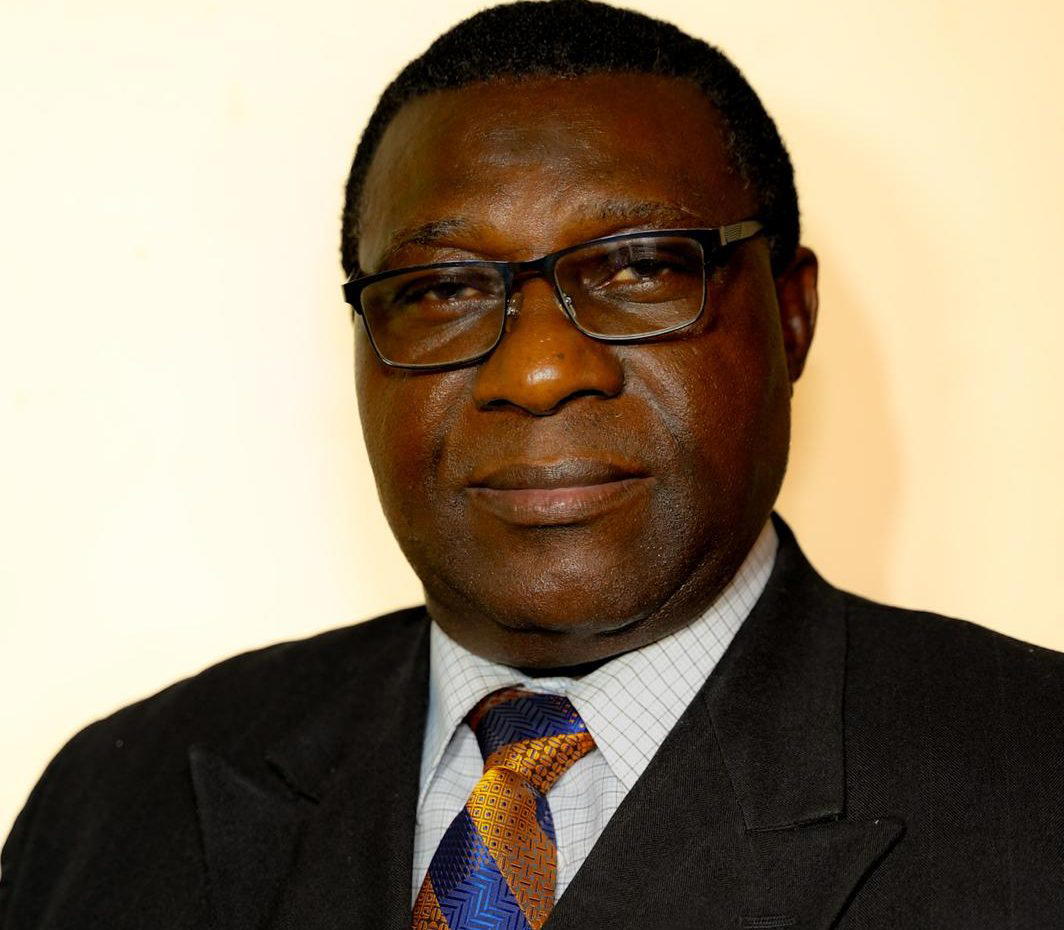
ABUJA- WITH the impact of falling educational standards in Nigeria, a university don and forensic expert, Prof Mannixs Paul has expressed concern about lecturers selling their integrity for monetary gains at the detriment of their role in moulding the society and upholding core ethics of their profession.
Prof Paul who is also the Chairman of Chartered Examiners of Criminology and Forensic Investigations Incorporation, USA, said if some professors have been arraigned and jailed for election malpractices, sexual assaults, certificate falsifications, frauds, and others, whereby, are now reduced to objects of ridicule and mockery even on social media it should be a thing of concern.
According to him, the responsibility of true scholars is to basically maintain the dignity of academia, scholars must: Uphold integrity; Academic qualifications should be earned through merit, not manipulation. Remain neutral and ethical: Political and financial influences should not dictate scholarly perspectives. Lead by example: If education cannot inspire moral uprightness, its purpose is lost. Guard against peer pressure: The temptation to misuse authority for personal gain is real, but resisting it defines true scholarship.
He said: “Education is often regarded as the foundation of societal progress, with academics and scholars serving as the voice of reason and intellectual guidance.
“However, when unethical practices infiltrate the very institutions meant to uphold knowledge and integrity, it raises a troubling question: What is the value of education if it cannot distinguish between the learned and the unlearned?
“A Lesson in Integrity: Consider the story of a poor beggar who stumbled upon a purse filled with money. Despite his dire circumstances, he took the purse to the police station, and the rightful owner was found. When asked why he didn’t keep the money, he simply replied, “I am a beggar, not a thief.” His response highlights a profound truth—integrity is not about one’s financial status but about moral character.
“Professors and scholars may not always receive the financial rewards they deserve, but that should never justify unethical behavior, corruption, or the abuse of their positions for personal gain. The Bible warns in James 3:1, “Not many of you should become teachers, my brothers, for you know that we who teach will be judged with greater strictness.” Those who guide others are held to a higher moral standard, and any compromise on integrity diminishes the true purpose of education.
“The Crisis of Academic Ethics: The academic world should be a beacon of truth, yet instances of bribery, nepotism, and the commercialization of education have eroded its credibility. Data from Transparency International suggests that corruption in higher education is a growing concern, with some institutions prioritizing financial gain over merit and ethical scholarship. A 2023 report by the United Nations Educational, Scientific and Cultural Organization (UNESCO) also revealed that academic dishonesty, including fake credentials and plagiarism, is an increasing problem in developing nations.
“If scholars succumb to the pressures of wealth accumulation, prioritizing personal enrichment over knowledge dissemination, they betray the very foundation of academia. Professors are not politicians; their role is to nurture minds with unbiased knowledge, ensuring that education remains a tool for enlightenment rather than exploitation.”
He also added that education is not merely about acquiring degrees but about applying knowledge ethically, “A Ph.D. or professorship should not be a title of privilege but a responsibility to guide society with wisdom and integrity.
“The true value of education lies in shaping individuals who can differentiate right from wrong and who refuse to compromise their principles, no matter the circumstances. If academia loses its moral compass, then the question remains—What is the value of education if it cannot be applied with integrity?”
Disclaimer
Comments expressed here do not reflect the opinions of Vanguard newspapers or any employee thereof.