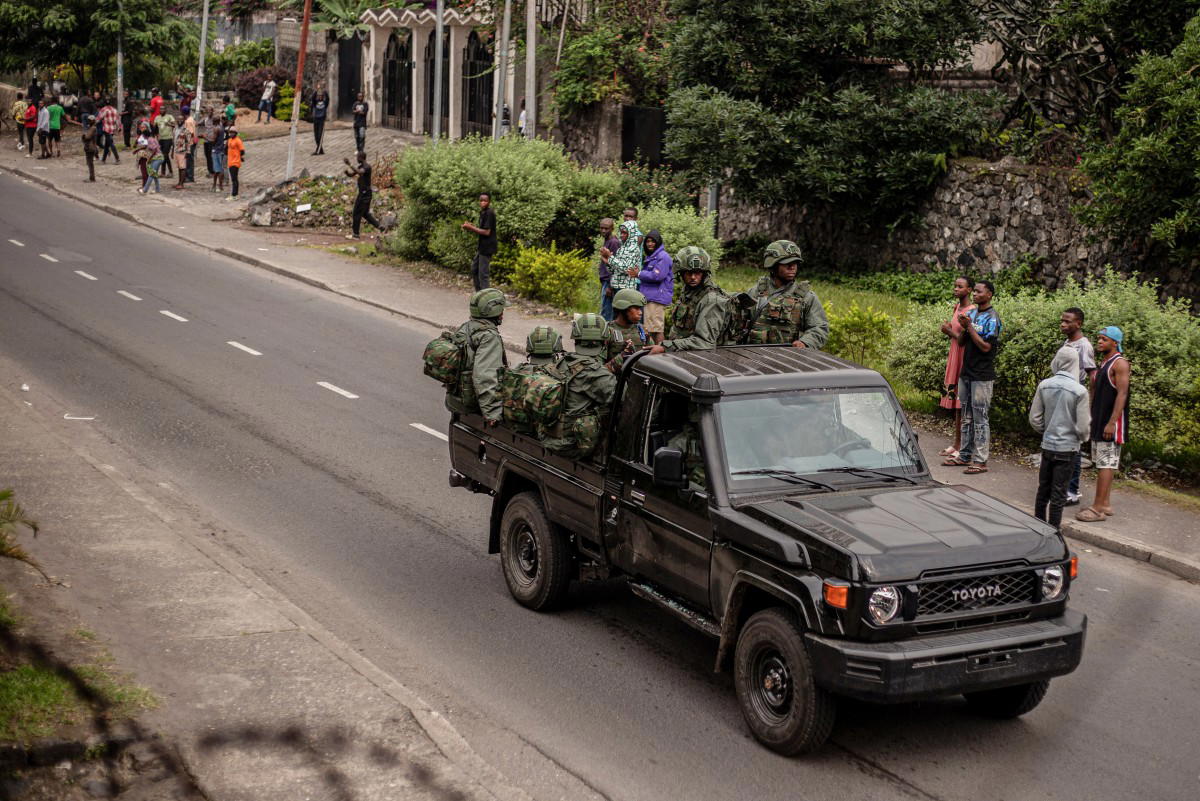
Members of the M23 armed group travel in a pickup truck as they drive through a street in Goma on January 29, 2025. Rwanda-backed fighters controlled most of the besieged DR Congo city of Goma on January 29, 2025 as residents slowly emerged from their homes after days of deadly fighting in the key mineral trading hub. (Photo by AFP)
By Emmanuel Okogba, with agency report
The ongoing presence of the M23 rebel group in the eastern part of the Democratic Republic of Congo (DRC) has deep historical, political, and regional implications. While the group itself originated in the DRC, its ties to neighboring Rwanda—specifically the support it receives from Kigali—have been a central element in the ongoing conflict in the region. Understanding why Rwanda has backed M23 and why the group is operating in DRC territory requires examining the historical context, regional geopolitics, and the security concerns that Rwanda faces.
The Origins of M23 and the Rwandan Connection
The M23, or “March 23 Movement,” is a predominantly Tutsi rebel group that first emerged in 2012 in the eastern DRC. The group’s name refers to the March 23, 2009, peace agreement between the DRC government and a previous rebel group, the National Congress for the Defense of the People (CNDP), which had been led by Tutsi commanders. However, after the agreement was not fully implemented, many former CNDP fighters, frustrated by the lack of integration into the DRC army and other unmet demands, regrouped and formed M23.
Though the group operates within the DRC, the link to Rwanda is vital to understanding its continued existence. Rwanda’s government, led by President Paul Kagame, has been accused by the DRC and various international organizations of supporting M23, including providing military assistance, training, and logistical support. Rwanda’s involvement has been fueled by a combination of security concerns, ethnic ties, and regional influence.
Ethnic Tensions and Historical Context
The relationship between Rwanda and the DRC has been profoundly shaped by ethnic dynamics, especially the role of the Tutsi population in both countries. In the wake of the 1994 Rwandan Genocide, where extremist Hutus murdered an estimated 800,000 Tutsis and moderate Hutus, many perpetrators of the violence fled to the DRC, then known as Zaire. These Hutu militants formed the backbone of armed groups such as the Democratic Forces for the Liberation of Rwanda (FDLR), which continued to launch attacks into Rwanda from eastern DRC, threatening the security of the Rwandan state.
Kigali, fearing the presence of these armed groups along its border, saw it as necessary to intervene in the DRC to neutralize the threat. This intervention began in the late 1990s and escalated during the First and Second Congo Wars (1996–2003). Rwanda’s military presence in the DRC helped the Tutsi-dominated Rwandan Patriotic Front (RPF) secure its interests and protect the Tutsi population in the eastern DRC.
Rwanda’s support for M23 can be viewed as a continuation of this policy. The Rwandan government has often argued that it has a right to protect ethnic Tutsis living in the DRC, particularly those who face persecution at the hands of hostile armed groups or the Congolese military. The M23, being primarily composed of Tutsi fighters, fits into this strategy by aiming to establish a Tutsi-dominated area in the DRC’s volatile Kivu region.
Geopolitical and Strategic Interests
Rwanda’s backing of M23 is not only about ethnic solidarity but also regional power dynamics. The DRC’s Kivu region, where M23 operates, is rich in natural resources, including minerals like coltan, cobalt, and tin, which are vital to global supply chains, particularly in the tech industry. Control over these resources has made the region highly lucrative but also a source of immense conflict, as various actors—including local militias, international corporations, and neighboring countries—vie for control of the riches. Rwanda, a small but strategically positioned country, has historically sought to ensure that it remains a key player in this resource-rich region.
Additionally, Rwanda’s involvement in the DRC serves as a way to exert influence over the political landscape in the region. The DRC, with its vast size and significant population, represents both a threat and an opportunity for Rwanda’s strategic interests. By supporting groups like M23, Rwanda ensures that the DRC remains destabilized and that no single Congolese faction can dominate or create a unified regional power that could challenge Rwanda’s influence.
The Humanitarian and Security Impact
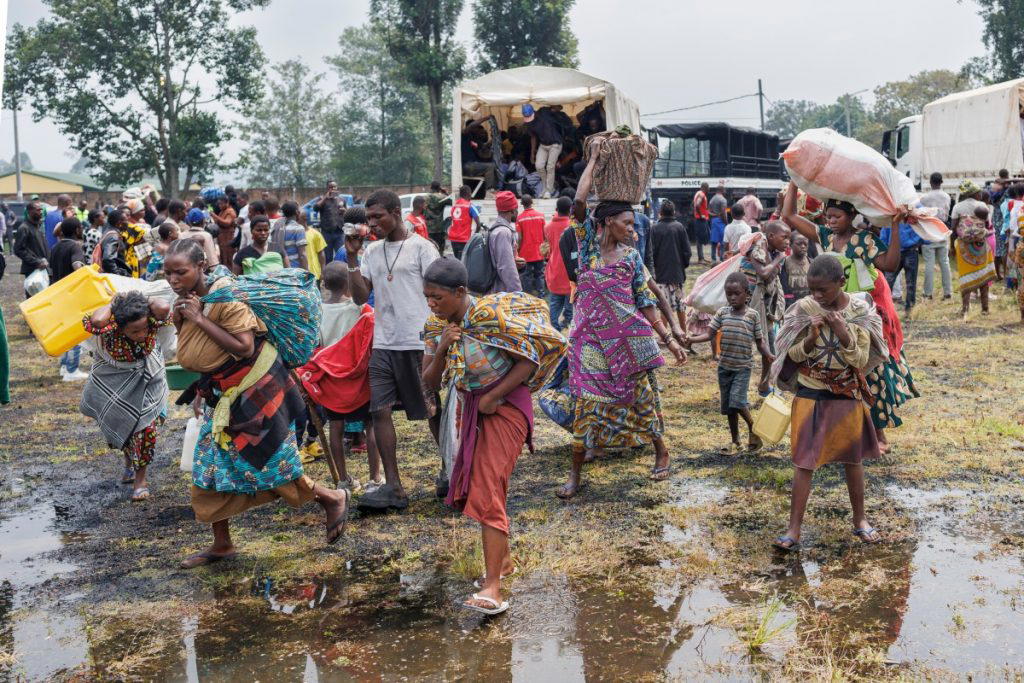
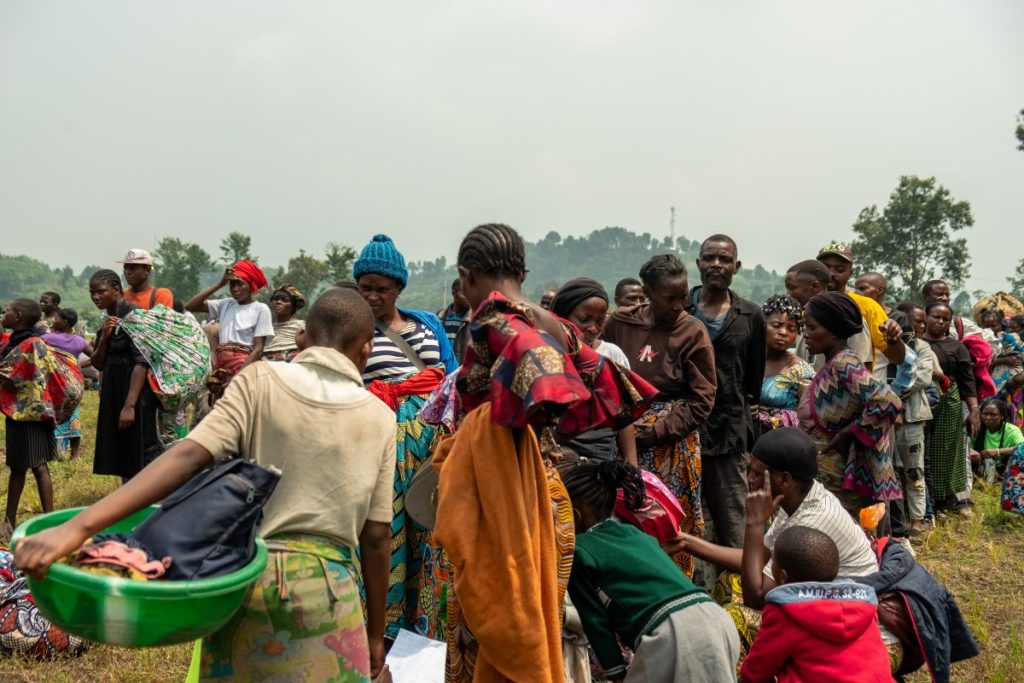
The presence of M23 in the DRC has been devastating for the local population. The group has been accused of committing numerous atrocities, including killings, rapes, and forced displacement. Tens of thousands of civilians have been forced to flee their homes as M23 has advanced through the Kivu region. Despite international condemnation, the group has enjoyed a level of impunity, partly because of the backing it receives from Rwanda.
For Rwanda, however, the security argument remains central. Kigali has repeatedly stated that it is acting to protect its borders and eliminate threats posed by armed groups operating in eastern DRC. Rwanda claims that the FDLR, the same Hutu militia that fled after the genocide, continues to operate in the region and poses a direct threat to Rwandan security. Supporting M23, in this view, is a means of countering the FDLR and ensuring Rwanda’s safety.
International Reactions and Criticism
Rwanda’s involvement in the M23 conflict has drawn widespread international criticism, particularly from the DRC and the United Nations, which has accused Rwanda of actively supporting the group. In response, Rwanda has consistently denied direct involvement, although it has admitted to offering moral and political support to the group. The UN and other international bodies have called on Rwanda to stop supporting M23 and respect the sovereignty of the DRC.
The African Union and other regional bodies have also attempted to mediate the situation, but a lasting peace agreement has proven elusive. The United States, France, and other Western nations have occasionally imposed sanctions on individuals and entities linked to the M23 rebellion, but these measures have had limited effect on the dynamics of the conflict.
The future of the M23 rebellion and Rwanda’s role in the DRC remains uncertain. Peace talks and ceasefires have been brokered intermittently, but trust between Rwanda and the DRC remains low, and M23 continues to wield significant power in the Kivu region. The international community remains divided, with some countries advocating for stronger measures against Rwanda, while others urge dialogue and a focus on regional cooperation.
For Rwanda, the situation is unlikely to change unless it feels its national security interests are no longer at risk or the political dynamics in the DRC shift in a way that accommodates its concerns. However, as long as ethnic tensions, militias, and resource-driven conflicts persist in the DRC, Rwanda’s involvement in the region seems set to continue.
Rwanda’s backing of M23 in the DRC is driven by a complex mix of security concerns, ethnic solidarity, and geopolitical interests. While Rwanda has framed its support for the group as a necessary measure to protect its borders and eliminate threats from hostile militias, this has fueled further instability in the DRC. The humanitarian consequences for the civilian population are severe, and the international community remains deeply divided on how best to address the crisis. As the situation continues to evolve, a sustainable solution will likely require both addressing Rwanda’s security concerns and ensuring that the sovereignty of the DRC is respected and upheld.
Disclaimer
Comments expressed here do not reflect the opinions of Vanguard newspapers or any employee thereof.